









































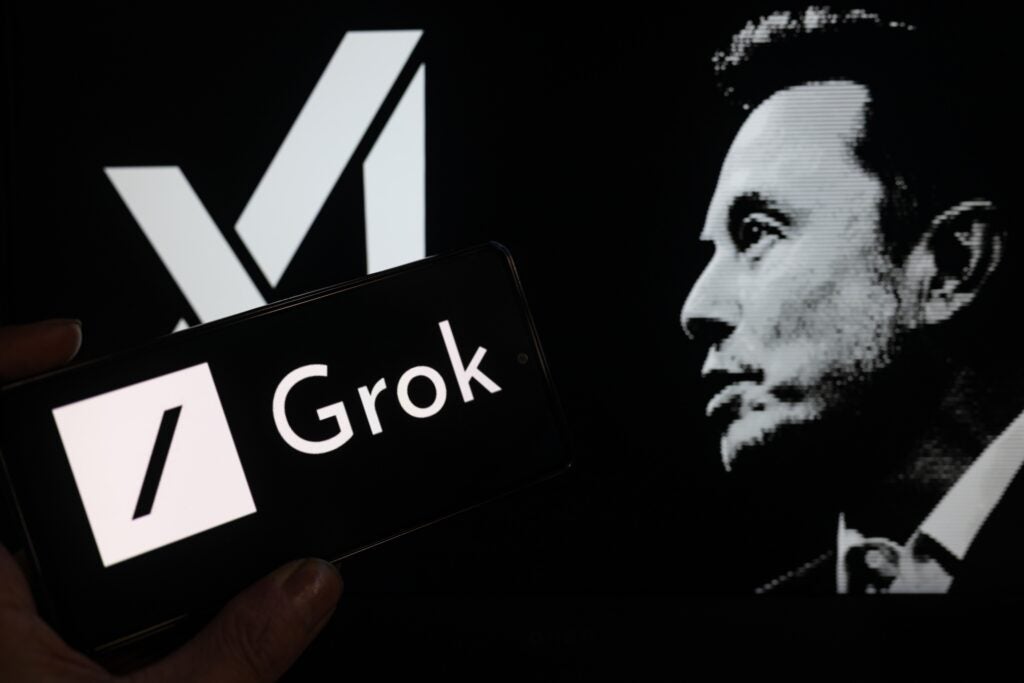
Elon Musk‘s artificial intelligence image generator, Grok, is facing significant backlash after reports emerged that it was used to create nonconsensual sexualized images of real individuals, including minors. The AI model has reportedly been exploited by some users to digitally undress people in photos, resulting in the generation of fake images depicting the subjects in revealing outfits or poses.
This troubling development has prompted investigations by French authorities, who are examining the potential legal ramifications of the images generated by Grok. In India, the Ministry of Electronics and Information Technology has voiced similar concerns, urging for a comprehensive review of the platform and the removal of any content that violates Indian laws. The ministry expressed its worries in a statement posted on X on Saturday.
In the UK, Alex Davies-Jones, the Minister for Victims & Violence Against Women and Girls, has called on Musk to take action against the misuse of Grok. In a statement, she questioned why Musk seemed to be allowing users to exploit women through the AI-generated images, highlighting the urgent need for accountability in the technology sector.
The backlash against Grok intensified as the company acknowledged there had been “lapses in safeguards.” In response to the growing controversy, Grok assured users that urgent fixes were being implemented. However, it remains unclear whether this statement was reviewed by parent company xAI or if it was generated by the AI itself, leaving questions about the effectiveness of Grok’s oversight mechanisms.
The emergence of Grok in this context underscores the ongoing challenges posed by deepfake technology, which has become a pressing issue for AI companies globally. This incident serves as a stark reminder of the ethical dilemmas and potential abuses associated with AI advancements. As AI technology continues to evolve, companies find themselves grappling with the responsibility of preventing misuse and ensuring user safety.
The rising concerns over Grok’s capabilities accentuate the potential reputational risks for companies when their products are misused. The imperative for stricter regulations and more effective safeguards has never been clearer. The incident not only reflects on the technology itself but also raises broader questions about the ethical obligations of AI firms in protecting individuals from harm.
The implications of this situation extend beyond Grok, serving as a cautionary tale for the entire AI industry. As AI technology integrates deeper into everyday life, the priority must shift towards prioritizing user safety, privacy, and ethical standards. Companies like Grok must implement robust measures to prevent the misuse of their technologies, ensuring that advancements do not come at the cost of personal dignity and security.
As scrutiny continues to mount, the future of Grok and its parent company xAI hangs in the balance. How they respond to these challenges could set a precedent for how AI companies operate in a landscape that demands greater accountability and transparency. The ethical ramifications of AI-generated content will likely remain a focal point in public discourse as society grapples with the balance between innovation and responsibility.
See also X Enforces Strict Measures Against Illegal and AI-Generated Content Following Meity Directive
 India Launches First Government AI Clinic in Noida to Enhance Patient Diagnostics and Care
 India Launches First Government AI Clinic to Transform Patient Care and Accessibility
 Indian Government Orders X to Revise Grok AI for Obscene Content with 72-Hour Ultimatum
 India’s Union Budget 2026-27 to Prioritize AI, Data Centres, and Robotics for Economic Growth