




































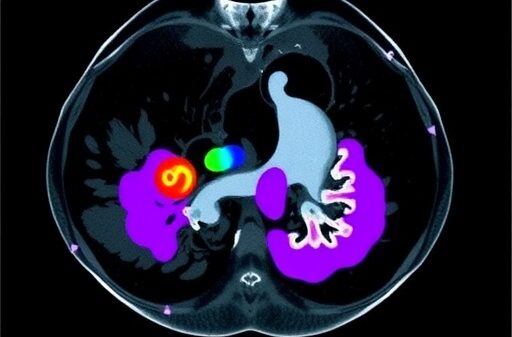


The introduction of artificial intelligence into healthcare is set to transform patient care significantly. A new clinic, directed by Brigadier Dr Rakesh Gupta at the Gurugram Institute of Medical Sciences (GIMS), aims to leverage AI to enhance diagnostic accuracy and patient outcomes. The facility plans to analyze blood tests, imaging scans, and genetic data to predict disease risks and assess recovery trajectories. This initiative marks a notable advancement in clinical practice, combining technology with medical expertise to improve patient management.
According to Dr Gupta, the clinic will utilize AI alongside genetic screening to interpret clinical data, which includes blood tests and imaging results. “The clinic will use artificial intelligence along with genetic screening to analyse diagnostic inputs,” he told The Times of India, emphasizing the multifaceted approach to patient diagnostics. The AI systems will assist healthcare professionals in interpreting various imaging modalities, such as X-rays, ultrasounds, CT scans, and MRI reports, especially for critically ill patients who require immediate and accurate assessments.
The integration of AI technology into diagnostics is not merely a trend but a necessary evolution in healthcare. AI systems can process vast amounts of data far more quickly than human capabilities, enabling more timely decisions that can significantly impact patient outcomes. For example, by predicting disease risks based on a comprehensive analysis of a patient’s genetic makeup, doctors can tailor interventions more specifically to individual needs, reducing the likelihood of complications.
This approach comes at a time when healthcare systems worldwide face increasing pressure to improve efficiencies while enhancing care quality. The use of AI in medical settings has already garnered attention for its potential to reduce diagnostic errors and streamline workflows. By supplementing traditional methods with advanced AI capabilities, clinics can not only elevate the standard of care but also address the growing demands of an aging population and the prevalence of chronic diseases.
Moreover, the ability to interpret imaging and lab results with AI assistance is particularly crucial for hospitals where rapid decision-making can be the difference between life and death. AI’s role in analyzing complex images allows for quicker diagnosis, which is essential in emergency medical situations. As Dr Gupta noted, critically ill patients particularly benefit from the enhanced accuracy and speed of AI-driven diagnostics.
The implications of this technological shift extend beyond immediate patient care. As AI systems become more prevalent in clinical settings, the healthcare landscape will likely evolve, necessitating ongoing education for medical professionals in AI tools and methodologies. This shift could lead to a new paradigm of collaboration between physicians and AI technologies, fostering an environment where patient care is optimized through data-driven insights.
Looking ahead, the GIMS initiative represents a broader trend towards integrating AI across healthcare systems globally. As clinics and hospitals increasingly adopt AI technologies, the potential to improve patient outcomes and operational efficiencies will only grow. With ongoing advancements in AI, healthcare providers will be better equipped to meet the challenges of modern medicine, ultimately enhancing the patient experience and quality of care.
See also India Launches First Government AI Clinic to Transform Patient Care and Accessibility
 Indian Government Orders X to Revise Grok AI for Obscene Content with 72-Hour Ultimatum
 India’s Union Budget 2026-27 to Prioritize AI, Data Centres, and Robotics for Economic Growth
 RecordPoint Supports 80% of Victorian Government with AI-Driven Data Governance
 SKAX Launches First Government-Approved AI Competency Certification Platform in Korea