













































As the tech industry gears up for the RSA Conference in San Francisco, discussions around the burgeoning concept of “physical AI” are capturing attention. This term, which refers to artificial intelligence systems that interact with the physical world, suggests a significant shift in how AI applications will evolve in the coming years. The World Economic Forum in Davos highlighted this trend, with industry leaders such as EY’s Sharma predicting that physical AI could dwarf the current market size of agentic AI by five to six times within the next five years.
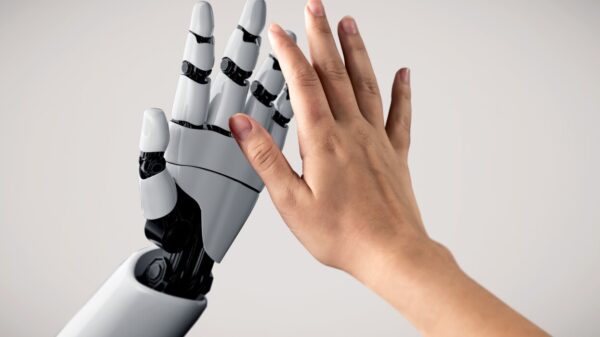
Physical AI integrates AI models with sensors and actuators, enabling these systems to perceive, reason, and act upon real-world environments. According to IBM, this innovation takes AI “from the realm of bits to the realm of atoms,” allowing for complex interactions in everyday settings. NVIDIA adds that this advancement will enable autonomous systems—such as robots and self-driving cars—to adapt dynamically to their surroundings, improving the capability and efficiency of various applications.
A report from Global X suggests that as generative AI models advance and hardware becomes more affordable, we are entering a new era where networks of machines can augment human workflows significantly. This transition may supercharge labor productivity and create new use cases across diverse sectors, including last-mile logistics and robotic manufacturing. The implications are profound, potentially leading to the rise of humanoid systems that bring intelligent automation into homes and businesses.
Moreover, Citigroup’s analysis highlights that physical AI is reaching an inflection point, driven by abundant capital and maturing technology. AI-enabled edge devices, which operate outside of central data centers, are poised for double-digit growth. Unlike generative AI, which primarily impacts data centers, the adoption of physical AI will depend on specific market needs, emphasizing a more tailored approach to technology integration.
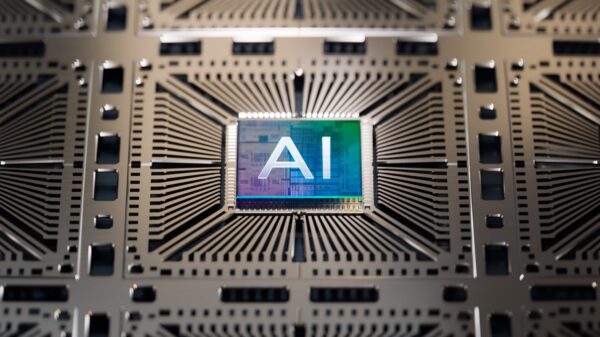
Several bottlenecks that previously hampered the widespread adoption of physical AI are starting to dissolve. The infusion of generative AI has enabled large computer vision and multimodal models to recognize objects and understand spatial relationships more effectively. This reduces the need for specialized training and allows for greater reuse of intelligence across applications. Modern simulation techniques—combining high-fidelity physics modeling and photorealistic rendering—have accelerated model training times, while advancements in GPU technology have made large-scale training feasible.
The hardware landscape is also evolving. Today’s robots are equipped with superior sensors and lighter materials, allowing for better performance and communication capabilities. These innovations not only enhance existing automation but also open new avenues for experimentation, fostering a renaissance in physical automation initiatives ranging from autonomous vehicles to robots capable of performing complex surgical procedures.
Industry applications are further bolstered by the integration of technologies like LoRaWAN, which, despite its low power requirements, is becoming an essential partner for AI striving to interact with the physical world. LoRa Alliance CEO Alper Yegin emphasizes that the need for AI to sense and command the physical realm places it in a prime position to connect with emerging AI technologies. With over 125 million LoRaWAN devices deployed globally, the ecosystem is expanding rapidly.
Despite the optimistic outlook, a Deloitte survey reveals a disconnect between awareness and readiness. While 40% of surveyed companies anticipate transformative impacts from physical AI within three years, only 3% have fully integrated it into their operations. This gap underscores the urgency for organizations to develop robust strategies to embrace the opportunities that physical AI presents.
In the context of broader economic implications, a report from BCG asserts that fewer than 10% of U.S. states have a well-defined strategy in place to tackle the economic impact of AI. As leaders recognize AI’s significance for competitiveness, the challenge remains for states and organizations to align their strategies with the rapid advancements in technology. The integration of physical AI into various sectors could reshape industries, but it will require careful planning and investment to harness its full potential.
As the RSA Conference approaches, the conversation around physical AI continues to evolve, highlighting the need for a concerted effort to navigate the challenges and opportunities this emerging technology presents. The future of work and productivity hinges on how swiftly industries can adapt to the complexities of physical AI, setting the stage for a new AI-driven economy.
See also AI Technology Enhances Road Safety in U.S. Cities
 China Enforces New Rules Mandating Labeling of AI-Generated Content Starting Next Year
 AI-Generated Video of Indian Army Official Criticizing Modi’s Policies Debunked as Fake
 JobSphere Launches AI Career Assistant, Reducing Costs by 89% with Multilingual Support
 Australia Mandates AI Training for 185,000 Public Servants to Enhance Service Delivery