













































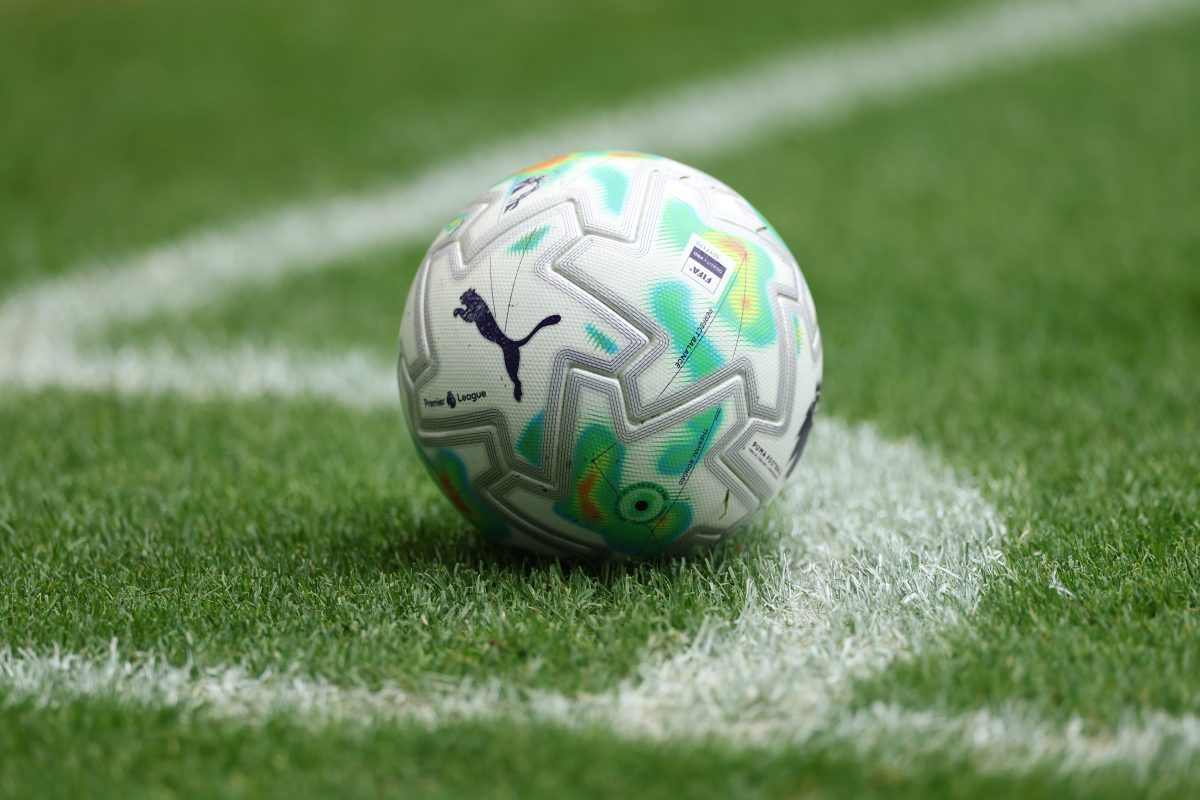
The Premier League has expressed strong opposition to proposed changes in UK copyright law that could significantly impact the use of artificial intelligence (AI) in the creative industry. The reforms, aimed at positioning the UK as a competitive tech hub, have raised alarms about the ownership and access to copyrighted materials by AI systems. A recent Freedom of Information request by The Times revealed that the Premier League is concerned such changes could undermine the integrity of intellectual property rights that have been integral to its success.
In a statement, the Premier League highlighted that “strong copyright protections have been fundamental to the Premier League’s success,” noting that it supports nearly 100,000 jobs and contributes £8 billion annually to the UK economy in gross value added. The league questioned whether the contributions of both itself and the UK sports sector as a whole have been adequately considered in the government’s proposals.
The government’s original plan to permit AI companies to utilize copyrighted content without the permission of the rights owners has since been abandoned, yet the Premier League remains critical. The league’s global media rights value is expected to exceed £12 billion by the end of its current cycle, emphasizing its substantial economic footprint.
The Premier League warned that the proposed changes “risk undermining the UK’s creative economy by weakening the IP framework that has made its sports broadcasting a global leader.” This concern is echoed by various artists and stakeholders in the creative sector, who fear that the reforms could diminish their control over their intellectual property.
A government spokesperson addressed these concerns, stating, “We are putting in the work so that both the creative and technical sectors, including the sports industry, can flourish in this country.” The spokesperson emphasized that following extensive consultation, the government had decided against a preferred course of action and would focus on several key areas, including digital replicas, labeling AI-generated content, creator control and transparency, and support for smaller and independent creators in licensing their content.
As the debate on the intersection of AI and copyright law continues, the Premier League’s proactive stance underscores the critical importance of intellectual property rights in the evolving technological landscape. The outcome of these discussions could have far-reaching implications not only for the sports industry but for the broader creative economy in the UK, as stakeholders await further developments in the government’s approach to AI regulation.
See also AI Technology Enhances Road Safety in U.S. Cities
 China Enforces New Rules Mandating Labeling of AI-Generated Content Starting Next Year
 AI-Generated Video of Indian Army Official Criticizing Modi’s Policies Debunked as Fake
 JobSphere Launches AI Career Assistant, Reducing Costs by 89% with Multilingual Support
 Australia Mandates AI Training for 185,000 Public Servants to Enhance Service Delivery