



















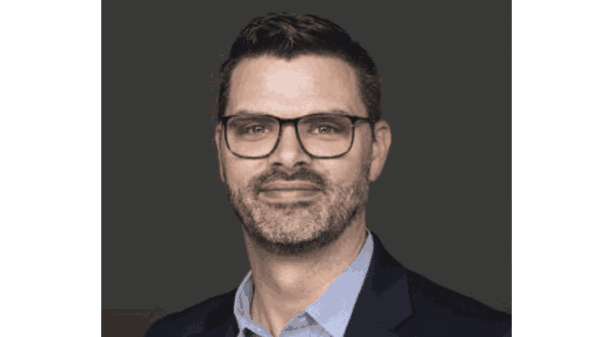













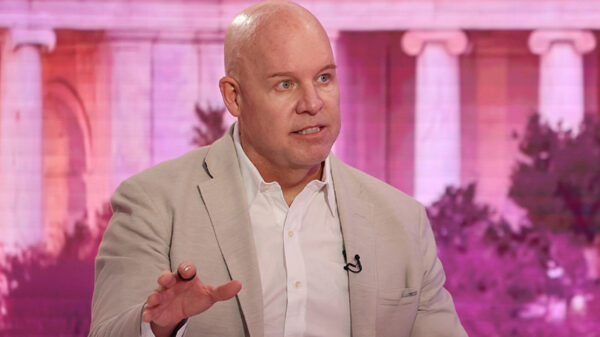









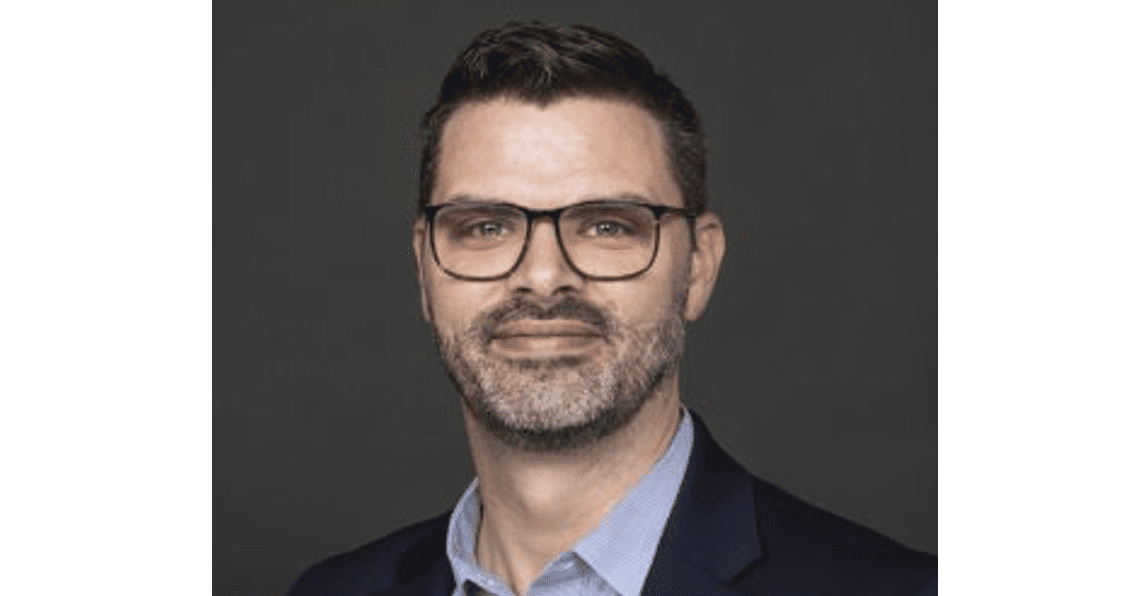
Andy Henson, a prominent figure at SAIC, is redefining how technology is integrated into government operations. His journey began during the early days of Russia’s invasion of Ukraine, while he was embedded with the U.S. European Command. There, he witnessed firsthand the urgent need for rapid technological adaptation in a conflict zone, compelling him to push new technologies into live operations amid an outdated command infrastructure.
Years later, Henson continues to tackle the same challenge at SAIC, focusing on the intricacies of governmental technology deployment. “We don’t have the three-year life cycle anymore,” he stated. “We’re going to develop something, field something, see if it works and iterate quickly.” His approach emphasizes the necessity of addressing aging infrastructures and slow processes, which are often resistant to rapid innovation.
Problem-solving appears to be in Henson’s DNA, thanks in part to his engineering background from both parents. Growing up, he was encouraged to build everything from rockets to airplanes in his garage, fostering a maker mentality that would shape his professional aspirations. This passion was further solidified by conversations with his grandfather, who worked on NASA’s Apollo mission spacesuits, instilling a sense of purpose and legacy in Henson.
By the time he reached college, Henson was already entrenched in government contracting, taking on a geospatial role while maintaining a full course load. His career trajectory shifted toward counter-IED work, where he sought to leverage technology to save lives. This mission-driven focus exemplified the tangible impact technology can have, particularly in military settings. “I wanted to spend some time trying to save lives,” he noted, emphasizing the real-world consequences of his work.
Today, Henson oversees a $615 million portfolio within SAIC’s Air Force, Space, and Intelligence business group. This transition from research and development to accountability for outcomes has transformed his approach to innovation. “I’m responsible for the outcomes of those R&D efforts,” he explained, emphasizing the importance of aligning technical solutions with operational effectiveness.
A central focus of Henson’s work is bridging the gap between research and real-world applications. “We can’t have R&D off in a corner,” he asserted. His experience has shown that successful innovation requires real-time data and direct involvement in mission-critical environments. Henson chose to join SAIC because of the trust he developed while working alongside the company’s engineers on live missions, valuing their visionary approach to complex technical challenges.
Henson’s role also includes pioneering SAIC’s internal artificial intelligence initiatives. Long before AI became a prevailing industry buzzword, he was instrumental in establishing the company’s AI team, aiming to provide employees with practical, secure tools. “Leaning into that and pulling that in was something I’m really proud of,” he remarked. With AI now integral to various processes, Henson identifies areas where it can enhance efficiency, particularly in government acquisitions, compliance, and IT service management.
However, he recognizes that infrastructure limitations pose significant challenges. “We have customers we can’t turn on all the servers or we’ll blow a circuit,” he explained, highlighting the need for foundational work that often lacks the excitement of AI-driven projects but is critical for long-term success. Henson’s philosophy prioritizes practical solutions over flashy technology, viewing infrastructure improvements as essential, if less glamorous, components of innovation.
Customer engagement is another critical aspect of Henson’s strategy. He emphasizes the importance of collaborating with clients to identify true problems before proposing solutions. By involving technologists and business leaders in these discussions, SAIC can develop integrated systems that address underlying issues rather than superficial symptoms. “I’m a systems thinker first and foremost,” he said, illustrating his comprehensive approach to problem-solving.
Henson’s mindset encourages experimentation and rapid iteration. He prefers to test ideas openly rather than waiting for the perfect conditions that may never materialize. “What if we tried it and if it didn’t work, that’s OK, we’ll iterate and go fast,” he stated, emphasizing a culture of quick learning and adaptability.
Outside of his professional life, Henson’s hands-on inclination continues. He enjoys dismantling and rebuilding items at home, driven by curiosity rather than specific objectives. If he were to pivot from government contracting, he sees potential in starting a plumbing business, envisioning automation in industries typically viewed as low-tech. “I think I would bring machines to a market like that,” he suggested, envisioning a future where automation transforms not just IT but everyday services.
Despite the current tumult in the government contracting landscape, Henson views the ongoing changes as necessary rather than chaotic. “I think it’s going through a revolution, not an evolution,” he said, expressing optimism about the transformations underway. Henson’s forward-looking perspective underscores the significance of embracing innovation in the pursuit of improved government technology.
See also AI Technology Enhances Road Safety in U.S. Cities
 China Enforces New Rules Mandating Labeling of AI-Generated Content Starting Next Year
 AI-Generated Video of Indian Army Official Criticizing Modi’s Policies Debunked as Fake
 JobSphere Launches AI Career Assistant, Reducing Costs by 89% with Multilingual Support
 Australia Mandates AI Training for 185,000 Public Servants to Enhance Service Delivery