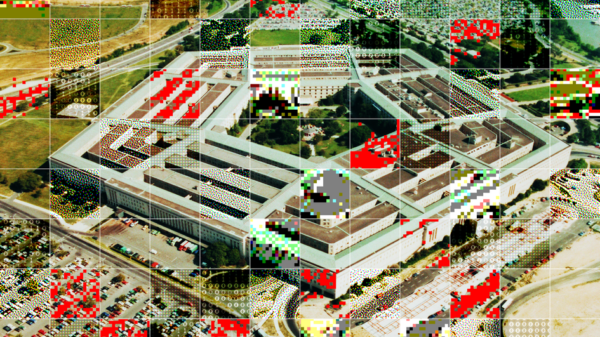






















































State, Local, Tribal, and Territorial (SLTT) governments are essential to the functioning of American society, operating critical systems such as 911 dispatch centers, water treatment plants, and public benefits portals. However, these agencies face a significant cybersecurity challenge, battling advanced threats while constrained by limited budgets and outdated infrastructure. This precarious situation has heightened in recent years, with ransomware attacks and vulnerabilities in operational technology posing severe risks to public services.
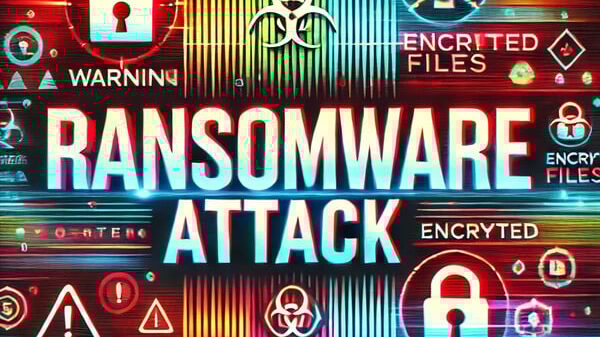
Ransomware remains the most damaging threat to SLTT agencies, as attackers target local governments’ operational systems to disrupt essential services. Key areas at risk include water purification systems, emergency communications, and public safety networks. Attackers are increasingly focusing on operational technologies, including industrial controllers and water treatment devices, which can lead to immediate pressure on leaders to pay ransoms due to the visible consequences of disruptions.
Compounding these challenges is the fragmented nature of SLTT networks. These agencies operate sprawling collections of independent systems across state agencies, municipalities, public authorities, and cloud services, often lacking centralized oversight. As a result, a breach in a small town’s weakly secured network can serve as an entry point for attackers to access statewide databases, such as DMV systems or voter registration logs. This lack of unified visibility is a critical vulnerability that hackers exploit to their advantage.
Moreover, a severe shortage of cybersecurity talent exacerbates the problem. SLTT governments struggle to compete with the private sector for skilled professionals, resulting in small security operations teams that are overwhelmed by alert fatigue and high turnover rates. Junior analysts often find themselves managing complex investigations, leading to slow incident response times. Meanwhile, adversaries are employing automated attacks that can propagate in minutes, far outpacing human capabilities.
Additionally, many SLTT environments rely on legacy infrastructure, including decades-old mainframes and unsupported applications, which further expands the attack surface. These outdated systems are often incapable of supporting modern endpoint security measures and present significant challenges in terms of patch management and logging. As such, they are critically vulnerable while remaining essential to the agencies’ operations.
To address these mounting threats, many SLTT organizations have resorted to utilizing an array of cybersecurity tools, including SIEM, EDR, NDR, and SOAR systems. However, this strategy has resulted in siloed alerts and slow investigations rather than effective solutions. The need for a unified, AI-driven platform has become apparent, as SLTT agencies require clarity and automation to streamline operations and enhance their defense capabilities.
Seceon’s aiSIEM, aiXDR, and SOAR platform offers a promising solution by providing a unified, AI-driven approach tailored to the unique needs of public sector environments. The platform’s capabilities allow even small IT teams to maintain robust cybersecurity measures. For example, an always-on AI engine correlates thousands of alerts into actionable insights, allowing for immediate threat isolation without human intervention. This functionality is critical as ransomware attacks can occur at any hour, requiring swift automated responses.
Seceon’s solution also addresses the need for visibility across operational technology and legacy systems that traditional endpoint detection cannot monitor. It employs network traffic analysis and user behavior analytics to oversee SCADA systems and other critical infrastructure. This allows agencies to detect unusual communication patterns in real time, further mitigating the risk of exploitation.
Furthermore, Seceon consolidates multiple cybersecurity functions into a single platform, reducing the total cost of ownership for agencies with limited budgets. By integrating SIEM, XDR, SOAR, and other functionalities, Seceon lowers the training requirements and operational burdens on analysts, facilitating faster onboarding and reducing costs associated with licensing and maintenance.
As SLTT governments navigate one of the most intense cybersecurity landscapes in history, adopting unified, AI-driven platforms like Seceon is essential for maintaining operational continuity and public safety. The integration of advanced detection, automated response, and centralized oversight can help protect the services that millions of Americans rely on daily. In an era where cybersecurity is intrinsically linked to public safety, these innovative solutions could prove vital in safeguarding critical infrastructure against evolving threats.
See also Govt & RBI Promote Responsible AI Use in Finance to Boost MSME Credit Access
 Gene Simmons Calls for Federal AI Regulations to Protect Music Industry Integrity
 Counties Leverage AI Innovations to Enhance Services and Build Public Trust at MACoCon
 Government Must Shift Focus from AI Vanity Metrics to Impactful Performance Metrics
 New Zealand Announces $70M AI Research Platform with Five Key Concepts Shortlisted