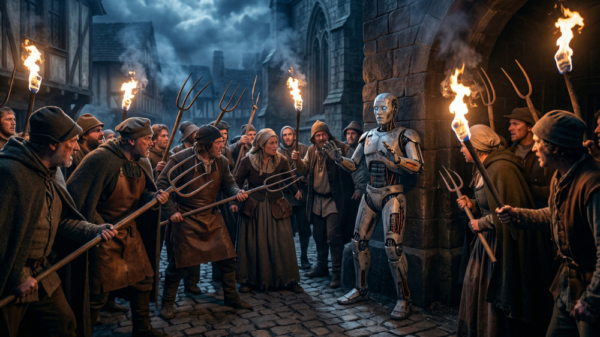

















































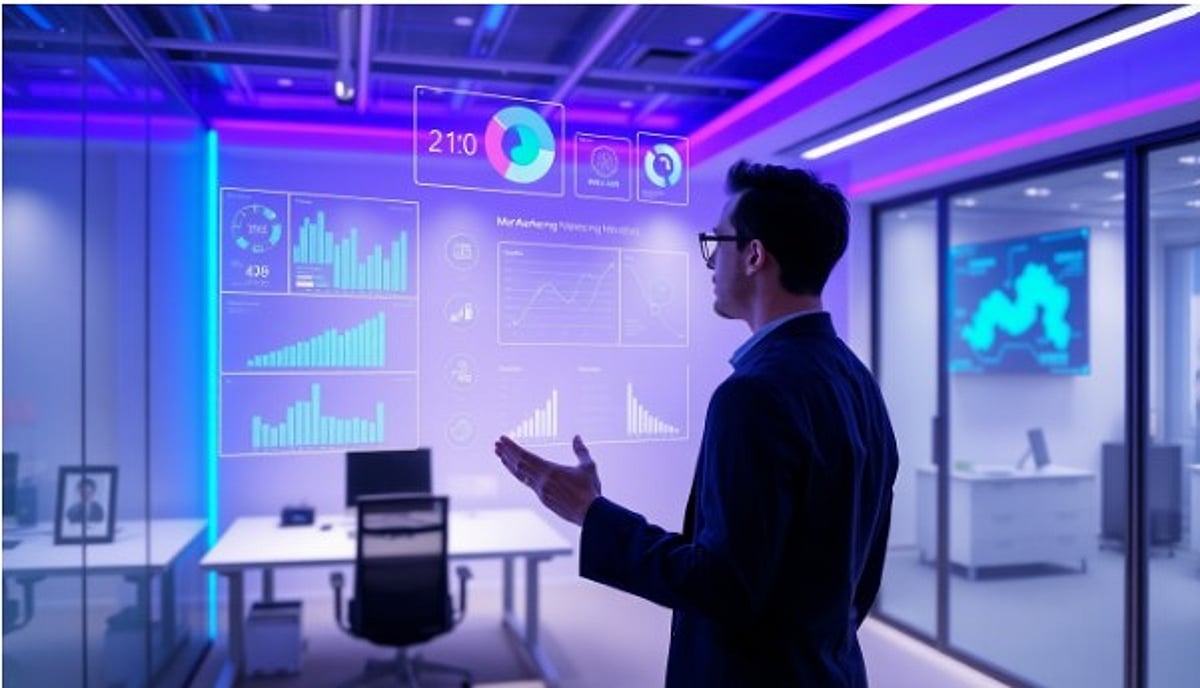
Industry analysts predict a rapid acceleration in the adoption of AI image generation technologies as these tools become increasingly sophisticated and accessible. Organizations that cultivate expertise in these technologies now are expected to gain substantial advantages as the market evolves. The convergence of natural language processing, computer vision, and generative AI is broadening the capabilities of these tools, with features that appeared futuristic just months ago now becoming standard.
For marketing leaders evaluating AI image generation solutions, crucial considerations include output quality, ease of use, integration capabilities, and commercial licensing terms. Experts suggest that the most effective implementations are those that align tool selection with specific workflow requirements and creative objectives. This strategic alignment not only enhances productivity but also ensures that the final output meets the desired standards of quality and creativity.
The landscape for AI image generation is transforming as businesses increasingly recognize the potential of these technologies. Companies that have integrated AI into their operations report improved efficiency and creativity, suggesting that early adoption could pave the way for significant competitive advantages. As the technology continues to advance, firms that fail to engage with these tools risk falling behind in an increasingly digital marketplace.
While the benefits of adopting AI image generation are clear, organizations must also navigate challenges related to implementation and regulation. Issues such as copyright and ethical use are becoming prominent as AI-generated images gain traction across industries. Marketing teams must ensure that they adhere to existing frameworks while also being prepared for forthcoming regulations that may govern the use of AI technologies.
As more organizations experiment with AI-generated images, the resulting innovations are likely to reshape the creative landscape. The tools are not just transforming how images are created, but also how brands communicate with their audiences. As AI becomes an integral part of the creative process, it promises to enhance storytelling, allowing brands to engage consumers in more dynamic and personalized ways.
Looking ahead, the trajectory of AI image generation appears to be upward. With ongoing improvements in technology and greater integration into marketing strategies, industry observers expect the demand for these tools to increase significantly. As the market matures, the organizations that invested in building capabilities around AI today may find themselves leading the charge in a new era of digital creativity.
See also AI-Driven Predictive Media Buying Set to Transform Australia’s $10B Advertising Market by 2026
 Keller Williams Appoints Patrick Ferry as Digital Marketing and AI Advisor for Agents
 AI Character from Controversial McDonald’s Ad Reappears, Highlights Corporate Control Risks
 Top 7 AI Writing Generators Revolutionizing Marketing Efficiency in 2023
 McDonald’s Withdraws AI-Generated Christmas Ad After Severe Public Backlash