



















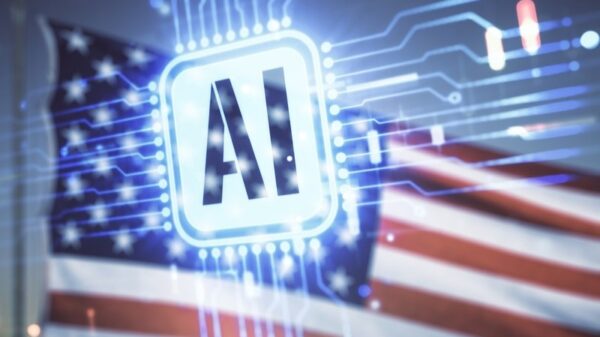























As businesses increasingly seek to enhance their social media presence, the integration of artificial intelligence (AI) has emerged as a pivotal strategy. AI tools can automate content creation, optimize advertising campaigns, and improve audience targeting, effectively saving time while boosting engagement and return on investment (ROI). In a landscape where digital marketing is essential for growth, leveraging AI can provide a competitive edge, even for companies with already effective strategies.
AI offers numerous advantages for businesses marketing their products and services on social media. By minimizing marketing expenses and accelerating revenue growth, companies can harness AI for various purposes. Key benefits include increased automation and efficiency, personalized interactions with target audiences, enhanced user experiences, and valuable insights that refine marketing campaigns.
With consumer preferences shifting towards personalization and efficiency, businesses are discovering effective ways to utilize AI in their social media strategies. The integration of these technologies can significantly enhance the overall performance of marketing campaigns. For instance, the automation of content creation has become a prominent application of AI in recent years. However, the initial rush to adopt AI for content generation in 2023 led many companies to face challenges, such as producing lower-quality content aimed more at search engines than at actual audiences.
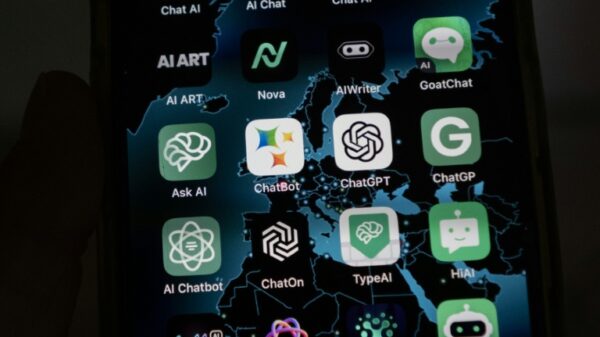
Now, businesses understand that AI tools like ChatGPT and Perplexity AI should be used to generate content ideas rather than complete posts. These tools employ machine learning algorithms to help create diverse types of content, including text, images, graphics, and videos. For example, ChatGPT can quickly generate ideas for social media posts by providing suggestions for captions, images, and relevant hashtags based on brief instructions. To unlock the full potential of AI in content creation, companies must provide context and specific demographic information that informs the AI about user behaviors and preferences.
In addition to content creation, AI plays a crucial role in optimizing social media advertising campaigns. By using predictive algorithms, businesses can gather insights about audience behavior, preferences, and demographics, ensuring that ads reach the right people. AI can also streamline ad management by optimizing bidding strategies, tracking campaign performance, and allocating budgets efficiently. This automation frees up time for marketers to focus on strategic planning and creative development, all while allowing for real-time adjustments to ensure only the highest-performing ads are active.
Another area where AI proves invaluable is in scheduling and posting content. Consistency is vital for maintaining engagement on social media platforms. AI tools can automate the scheduling of posts, managing optimal posting times based on user activity to maximize reach and engagement. Platforms like Buffer and Hootsuite facilitate this process, enabling brands to efficiently manage their content calendars and ensure well-timed distribution.
Moreover, AI is increasingly being used to streamline customer engagement and support. AI-powered chatbots have gained popularity, with a recent survey indicating that 88% of consumers have interacted with a chatbot in the past year. These chatbots can reduce response times by up to 80% and provide personalized responses based on customer data. By addressing routine inquiries, chatbots allow social media teams to dedicate their efforts to more complex customer interactions, enhancing the overall customer experience.
To adapt to the rapidly evolving social media landscape, businesses must also prioritize continuous campaign monitoring and analytics. Understanding key metrics such as click-through rates, conversion rates, and audience growth is essential for making data-driven decisions. AI algorithms can automate the collection of real-time data, tracking trends and consumer sentiments, which supports timely strategic adjustments.
As companies look to maximize their use of AI in social media marketing, they must adhere to ethical practices. Maintaining a balance between automation and human creativity is crucial. Companies should stay informed about the latest AI tools and trends while ensuring that their objectives define their approach to AI. Content generated by AI should always be refined for human readability, and any data used needs validation to prevent misinformation. Additionally, safeguarding proprietary information and being mindful of potential biases in AI training data are essential for responsible AI use.
As the digital marketing landscape continues to evolve, the responsible integration of AI into social media strategies presents a significant opportunity for businesses to enhance their engagement, streamline operations, and ultimately drive revenue growth. The focus now shifts to how organizations can harness these technologies effectively while navigating the ethical implications inherent in their implementation.
See also OnVibe Launches AI-Driven Platform to Transform Social Media Marketing for Small Businesses
 AI Tools Transform Digital Marketing Analytics, Boost ROI by Up to 30%
 WebFX Reveals 5 Key Ways AI Transforms Social Media Marketing for Businesses
 Sarvam Partners with SBI Life to Deploy AI for 8 Crore Customers and 3.5L Distributors
 iFOLIO Launches Advanced Personalization Engine to Combat AI Fatigue and Boost Conversions