










































Date: Feb 24, 2026 1:00 EDT (10:00 PDT)
In a rapidly evolving marketing landscape, artificial intelligence (AI) is set to become the cornerstone of demand generation strategies in 2026. During a recent session featuring Stephanie McArthur, a Senior Principal GTM Expert at ABX, key insights into how AI is reshaping marketing were revealed. Marketers are increasingly relying on AI to enhance various aspects of their operations, ranging from targeted outreach to campaign optimization.
One of the most significant transformations comes in the form of smarter prioritization. AI’s predictive analytics capabilities allow marketers to refine their account and buying group scoring, enabling them to identify the most promising prospects and maximize return on investment (ROI). This refined targeting not only boosts efficiency but also enhances the overall effectiveness of marketing efforts.
Equally important is the move towards personalization at scale. In 2026, AI will empower marketers to create hyper-personalized content tailored to individual preferences. This level of customization ensures that relevant messaging reaches customers across all touchpoints, fostering a deeper connection and engagement with the brand. As a result, the customer experience is significantly enhanced, making it more likely that prospects will convert into loyal clients.
Another critical area where AI is making strides is in real-time campaign optimization. Marketers are now able to leverage AI technology to adjust campaigns instantaneously in response to evolving customer behaviors. This capability ensures that marketing strategies remain aligned with consumer expectations, ultimately increasing the likelihood of campaign success.
Moreover, AI’s role extends into sales insights, where it automates lead nurturing and outreach. This automation equips sales teams with timely, actionable insights that can accelerate the closing of deals. By providing relevant data at crucial moments, AI enables sales personnel to engage more effectively with prospects, thus shortening sales cycles.
The implications of these advancements are profound. As AI continues to integrate into demand generation strategies, businesses that adopt these technologies will likely find themselves at a competitive advantage. The ability to harness AI not only enhances marketing effectiveness but also fosters a more personalized and engaging experience for consumers.
Looking ahead, marketers are encouraged to stay attuned to these trends and consider how they can incorporate AI into their strategies. The potential for smarter marketing fueled by AI is vast, and those who effectively leverage these tools may find themselves leading the charge in the future of marketing.
See also 91% of U.S. Ad Agencies Integrate Generative AI, Transforming Production Pipelines
 AI SEO Malaysia: 7 Essential Steps for SMEs to Boost Online Visibility and Engagement
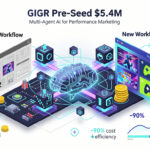 GIGR Secures $5.4M to Launch Playad.ai, Transforming Ad Creative with AI Agents
 AI Transforms B2B Sales: 71% of Marketers Automate Personalization for 137% ROI
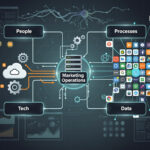 Marketing Operations Drives 27.8% Growth in 14,106 Martech Tools for 2024