










































As artificial intelligence continues to permeate various sectors, recent developments illustrate its impact on industries, marketing, and employment. The Super Bowl 60 recently showcased a significant leap for AI in advertising, with brands like Svedka and Anthropic utilizing AI not only as a thematic element but also to generate the commercials themselves. This trend reflects a shift of AI from a novelty to a mainstream marketing tool, raising important discussions around automation, authenticity, and the future of human creativity in advertising.
Meanwhile, U.S. companies have come under scrutiny for attributing layoffs to AI, with analysts arguing that many of these job losses can be traced back to overhiring during the pandemic and subsequent market corrections rather than automation. Economists warn that invoking AI as a scapegoat provides political and reputational cover, thereby obscuring the more complex realities shaping the job market. This sentiment echoes broader concerns about the role of AI in business transformations, as the technology evolves at a rapid pace.
In a striking illustration of AI’s capabilities, a New York Times report highlighted the case of romance writer “Coral Hart,” who used generative AI to produce over 200 novels under various pseudonyms, amassing significant earnings. While this demonstrates the commercial potential of AI in creative fields, the report also points out the limitations of these tools in capturing emotional nuance and authentic human connection, revealing both the opportunities and challenges presented by machine-generated content.
Recent investor apprehensions regarding AI-driven disruption have rippled through Wall Street, as concerns intensified over new automation tools from Anthropic. A selloff ensued, erasing over $600 billion in market value from impacted sectors, although analysts caution that this reaction may be overblown given limited evidence of immediate fundamental deterioration in business models. This reflects a broader anxiety about the swift advancement of AI and its implications for various industries, including finance and data services.
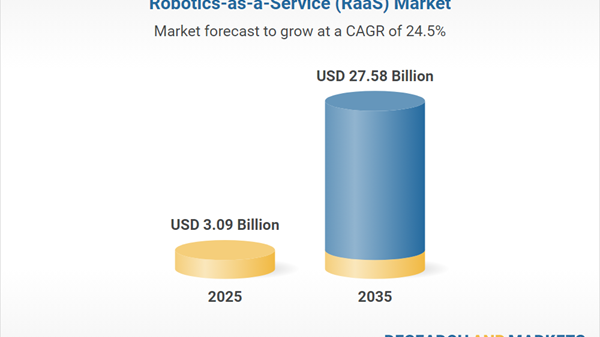
On the robotics front, the International Federation of Robotics released a position paper underscoring the critical role AI plays in advancing robotics across various sectors, from logistics to manufacturing. While acknowledging the transformative potential of AI, the report also emphasizes challenges related to safety, reliability, and regulatory standards. The current commercial value primarily stems from established technologies like computer vision, but future growth will depend on addressing cybersecurity, energy efficiency, and workforce reskilling.
In another notable development, the European Commission notified Meta of potential antitrust violations, alleging that the company may have unfairly excluded third-party AI assistants from WhatsApp in favor of its own Meta AI. This could lead to interim measures aimed at restoring competitive balance in the fast-evolving AI assistant market. Such regulatory scrutiny underscores the complexities of AI integration into existing platforms and the need for fair competition as the technology matures.
Investors and analysts are also looking forward to upcoming earnings reports from major companies, with Vertiv Holdings and Shopify set to report their fiscal fourth-quarter results. Analysts expect Vertiv to announce earnings per share (EPS) of $1.29, up from $0.99 year-over-year, while Shopify is predicted to report an EPS of $0.41, reflecting growth from $0.34 in the same quarter last year. Pinterest is also anticipated to report after the market closes on February 12, with an expected EPS of $0.39, up from $0.33 a year prior.
Looking ahead, the World AI Cannes Festival 2026, scheduled for February 12-13 in Cannes, France, will bring together policymakers and industry leaders to discuss the transition of AI from experimental phases to large-scale deployment across various sectors. The festival aims to highlight the importance of responsible AI development and regulation, emphasizing Europe’s ambition to be a leader in this arena.
As AI advances and becomes increasingly integrated into business and society, these developments signal both the opportunities and challenges that lie ahead. The ongoing dialogue around AI’s role in job markets, creativity, and regulatory frameworks will be crucial in shaping its future impact.
See also Bluefish Signs 17K SF Lease at 315 Park Avenue South for Manhattan Headquarters
 AI-Driven Super Bowl LX Ads Spark Concerns of Imminent Tech Bubble, Experts Warn
 AI’s Impact on Cold Emailing: Strategies for 2026 to Avoid Spam and Boost Engagement
 Ring Launches AI Surveillance Network Amid Super Bowl Ad, Ties to Law Enforcement Revealed
 Singletrack Acquires Mediasterling to Enhance AI-Driven Client Engagement Tools