
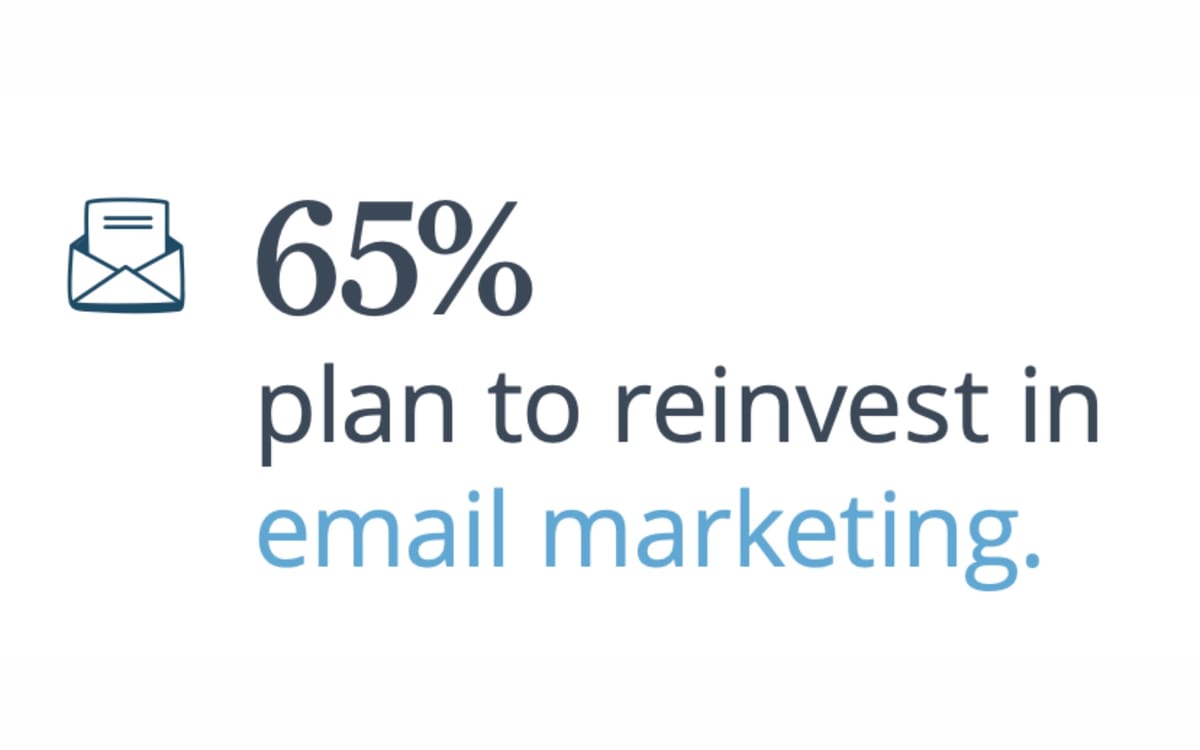
Brands are poised to make significant shifts toward direct customer engagement channels in 2026, with renewed emphasis on email marketing and widespread integration of artificial intelligence (AI) into marketing operations. A survey conducted in late 2025, involving 100 senior business leaders across retail, direct-to-consumer brands, and B2B companies, revealed strategic priorities that reflect a changing landscape.
According to the findings, 65% of organizations plan to reinvest in email marketing as a trusted owned channel, a notable departure from previous years of diminished focus. This change comes as marketers seek greater control over customer relationships amid the challenges of platform consolidation and rising costs in paid channels. Nearly all respondents—97%—indicated that AI has influenced their marketing performance in 2025, with 76% describing the impact as “somewhat significant” and 21% as “very significant.” Only 3% reported minimal or no impact, underscoring AI’s emerging role as a vital marketing infrastructure.
The research also assessed which marketing channels performed best through 2025. Organic social media marketing led the pack at 35%, closely followed by customer loyalty programs at 34% and SMS marketing at 32%. Email marketing was fourth at 31%, showcasing a competitive landscape among various direct engagement channels. This trend suggests that marketers are diversifying their strategies rather than relying solely on one method, as traditional channels like company websites and blogs received only 13% effectiveness ratings from respondents.
Within the realm of paid marketing channels, search and display advertising tied with programmatic display advertising as the top performers, each favored by 38% of respondents. Retail media network advertising closely followed at 36%, illustrating the rapid adoption of these platforms within advertising strategies. Social media advertising was identified by 28% as a leading channel, while audio and podcast advertising garnered 23%. The consistent performance of retail media reflects a growing trend, with 70% of survey participants currently engaging with these networks, which are expected to capture approximately 20% of global advertising revenue by 2030.
Connected television (CTV) advertising showed significant momentum, with over half of respondents—52%—reporting increases in investment during 2025. Only 46% maintained their previous spending levels, indicating a stable or growing interest in CTV. The primary drivers for this investment included the ability to reach audiences on streaming platforms (49%) and the integration with other digital channels (48%). The shift in consumer viewing habits away from traditional television to streaming services underscores the importance of this channel in current marketing strategies.
As marketers look ahead to 2026, significant shifts in organic marketing strategies are anticipated. Beyond the 65% planning email marketing reinvestment, 61% intend to focus on content optimized for conversational AI and voice search, reflecting a recognition of AI-powered search’s transformative potential. Additionally, 57% of organizations plan to develop owned media properties such as blogs and podcasts, while 52% seek to reallocate budget from paid advertising to organic marketing. The emphasis on user-generated content and community building was supported by 48% of respondents, while 41% aim to enhance their organic social media presence.
Despite this organic approach, investments in paid channels are also expected to grow. Nearly half of those surveyed—49%—plan significant increases in search and SEM spending, with a similar trend seen in paid social media budgets. Display and programmatic advertising are also set for expansion, with 42% of organizations planning significant increases. This dual focus on both organic and paid channels illustrates a balanced approach to navigating a complex marketing landscape.
Account-based marketing emerged as a key growth area, with 67% of organizations planning to increase their investments in this strategy. This shift underscores a broader trend toward personalized engagement and building direct relationships with high-value accounts. The integration of email reinvestment, development of owned media, and expansion of account-based marketing suggests that marketers are moving toward a more strategic and targeted approach in nurturing customer segments.
As brands prepare for 2026, strategies that emphasize authenticity and community engagement are gaining traction. Respondents highlighted the importance of contextual messaging and hyperlocal campaigns that integrate seamlessly into consumer routines. There is a clear pivot away from conventional demographic targeting toward community-based approaches, driven by the understanding that shared values foster stronger connections. Purpose-driven branding, focusing on ethics, transparency, and sustainability, is becoming central to marketing strategies, with data privacy increasingly influencing customer trust.
Overall, as organizations face pressures such as rising costs, platform consolidation, and evolving consumer behaviors, the findings from this research suggest that a strategic focus on direct customer engagement, diversified investment across marketing channels, and a commitment to authenticity will be crucial for success in the coming year.
See also AI Panic Mirrors 1990s Internet Chaos: What Marketers Must Learn Now
 Semify Acquires Dragon Metrics to Enhance AI-Driven Reporting and Global Reach
 AI Leaders Tessler, Gorny, and Nolan Outline Future of Customer Experience Management
 DEEPX Launches AmpereOne® AI Video Analytics Platform, Achieves 8,000 Inferences/Second
 Whale Cloud Wins AI Gamechanger Award for GenAI Platform’s 35% Support Reduction