
















































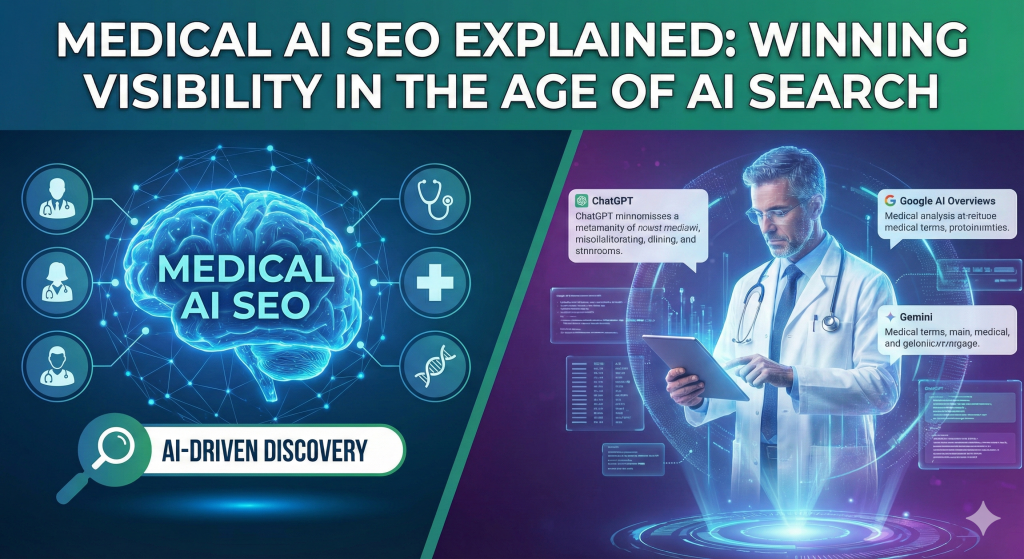
Artificial intelligence is reshaping the landscape of healthcare information access, compelling medical brands to adapt their digital strategies. Traditional search engine optimization (SEO) methods are now insufficient for healthcare providers aiming to maintain visibility and authority. The emergence of Medical AI SEO is a pivotal development that enables healthcare institutions to establish their presence within AI-driven platforms such as ChatGPT, Gemini, and Google AI Overviews. By adopting this specialized approach, healthcare entities can influence how AI systems interpret and reference their services, fundamentally altering the dynamics of patient discovery.
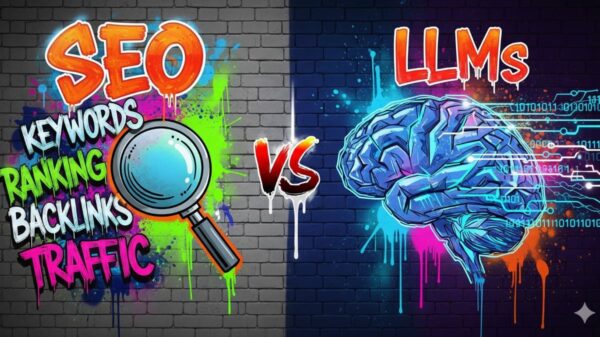
A leading agency in this domain, Doc Digital SEM, is focused on implementing advanced AI-driven optimization strategies tailored for the medical field. Medical AI SEO revolves around optimizing content, brand signals, and digital authority to ensure that AI systems can accurately evaluate and cite healthcare providers. This new paradigm contrasts sharply with traditional SEO, which mainly prioritized ranking algorithms, by shifting toward enhancing the relevance and trustworthiness of content in AI-generated responses.
In the sensitive realm of healthcare, where misinformation can severely undermine public trust, the need for precise and reliable digital representation is paramount. AI systems prioritize accuracy and credible sources, compelling medical professionals to move beyond basic SEO tactics. These platforms assess the depth of content, professional credentials, and consistency across digital channels. Consequently, healthcare providers that neglect to embrace Medical AI SEO may find themselves excluded from AI-generated responses, despite maintaining a strong ranking in conventional search results.
Consider a patient querying an AI assistant for the best local bariatric surgeon or advanced IV therapy options. Effective Medical AI SEO ensures that the AI not only recognizes a doctor’s qualifications but also understands the context and relevance of their services, thereby increasing the likelihood of patient engagement.
LLM SEO, or large language model optimization, plays an integral role in boosting medical visibility. Platforms like ChatGPT are designed to identify patterns and relationships between medical topics, necessitating that healthcare content consistently reinforces expertise and authority. Key components of Medical LLM SEO include articulating clear medical credentials, maintaining consistent naming conventions, delivering structured and accurate service descriptions, and achieving contextual relevance across various medical subjects.
As patients increasingly rely on AI tools for preliminary research into symptoms and treatment options, the significance of Medical AI SEO becomes even more evident. AI-generated answers often supersede traditional organic search results in visibility, particularly in the healthcare sector. If a medical practice is not optimized for Medical AI SEO, it risks remaining unnoticed, even if its website is robust from a traditional SEO standpoint. This optimization allows healthcare providers to guide the narrative around their services, ultimately fostering a level of digital trust that can significantly influence patient acquisition.
A successful Medical AI SEO strategy necessitates both precision and specialized knowledge. Key elements include ensuring that healthcare entities are clearly defined across the web, creating AI-readable content, establishing authority signals through reputable references, and maintaining topical depth that illustrates comprehensive expertise. Compliance with ethical standards and patient safety is critical, as trust is a non-negotiable factor in healthcare.
Given the complexity of advanced AI optimization strategies, healthcare professionals often lack the time and resources to implement these changes independently. Specialized agencies like Doc Digital SEM are vital in bridging this gap, understanding the intersection of medical regulations and AI authority assessment. Their focus on long-term medical authority equips healthcare providers to remain relevant as AI technologies evolve.
The landscape of Medical SEO is shifting away from traditional strategies, which emphasized keyword density and backlink accumulation. Today’s best practices prioritize entity trust, contextual understanding, authoritative presence, and accurate information dissemination. Investing in Medical AI SEO allows healthcare professionals to secure their visibility in an increasingly AI-driven future, where the reliance on trusted medical entities will only grow stronger.
As the integration of AI in healthcare continues to advance, it represents a definitive shift in how patients seek medical information. Early adopters of Medical AI SEO will likely reap the benefits of enhanced visibility and patient trust. This evolving field underscores the importance of being recognized by AI systems as credible medical authorities, rather than merely participating in traditional search engine rankings.
In conclusion, Medical AI SEO is crucial for the future of healthcare discovery, enabling doctors, clinics, and healthcare organizations to gain influence over how they are portrayed in AI-driven platforms. As agencies like Doc Digital SEM lead the way in integrating AI with healthcare marketing, the necessity for robust Medical AI SEO strategies becomes increasingly clear for those wishing to remain competitive in this new digital era.
See also AI-Generated Ads Spark Controversy: McDonald’s, Coca-Cola, and H&M Face Backlash
 Mynd.ai Partners with Q101 Foundation to Launch AI-Driven Open Quest Academy Ecosystem
 AI Marketing Tools Revolutionize Strategy in 2025: Boost Content Creation and Engagement
 Zendesk Acquires Unleash to Enhance AI-Powered Employee Support and Search Efficiency
 Consult PR Reveals AI PPC Challenges in Niche Keywords, Hybrid Strategy in Use