


















































MrBeast, the prominent YouTuber, has recently announced his acquisition of the fintech startup Step, highlighting a significant shift in the creator economy. This move comes amid broader industry transformations, evidenced by Hollywood studios firing cease-and-desist letters to ByteDance over its AI video generation model, Seedance 2.0, and the circulation of a viral AI-generated video featuring Brad Pitt and Tom Cruise engaged in a fictitious fight. Together, these developments underscore the rapid evolution of content creation and the challenges faced by human creators as the market becomes increasingly saturated with synthetic media.
The ongoing changes in the creator economy raise critical questions about how creators and marketers can navigate this new landscape. MrBeast’s shift toward fintech is notable not just for its financial implications, but also for the insights it provides into the current monetization struggles faced by content creators. Despite generating hundreds of millions in profit through his consumer products line, which includes a chocolate brand, his media business has reportedly not achieved profitability. This underscores the reality that even major influencers cannot solely rely on ad revenue in an environment marked by CPM volatility and algorithm changes.
As the creator economy recalibrates, the new blueprint for success appears to involve more than just creating content; it now requires building a loyal audience, launching complementary products, and leveraging content as a distribution engine. This strategy reflects a shift towards a model where creators increasingly operate as vertically integrated brands, blurring the lines between influencers, entrepreneurs, and media companies.
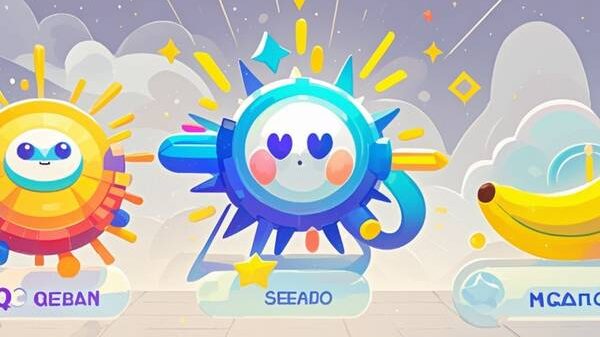
In tandem with these shifts, ByteDance’s introduction of Seedance 2.0 has sparked significant debate regarding intellectual property rights and brand safety. The AI-generated videos produced through this model have raised concerns among Hollywood studios, leading to legal action aimed at curbing the unauthorized use of recognizable characters and actors. ByteDance acknowledged that its model launched without adequate safeguards and pledged to implement necessary improvements. This situation exemplifies two critical tensions: the rapid advancement of AI video tools that democratize content creation and the lag in legal frameworks that protect intellectual property.
As content production accelerates due to AI capabilities, creators may face an impending saturation point. The abundance of content could lead to heightened competition and fragmentation, making it increasingly challenging for individual creators to stand out. Potential pathways for differentiation include productization, where creators develop physical or digital goods, and AI augmentation, in which digital twins or AI-generated personas help scale output. However, not all creators will successfully pivot to consumer products, nor will every AI-generated effort foster community loyalty. In this oversaturated environment, attention becomes a scarce resource, making trust and differentiation paramount.
Marketers must adapt to this evolving landscape characterized by what has been termed “AI slop,” the influx of low-effort, mass-produced content. This flood of AI-generated material presents both opportunities and risks. Authenticity may emerge as a competitive advantage; audiences may increasingly favor creators who offer real human interaction and transparency. Additionally, AI tools can democratize production, enabling smaller businesses to create high-quality content without substantial financial investments. However, brands need to address the legal and reputational risks associated with deepfakes and potential IP violations, necessitating clear policies for the use of AI-generated content within their organizations.
As the marketplace for content continues to expand, marketers will find that breaking through the clutter will require diversified distribution strategies and a focus on building communities rather than merely chasing algorithms. With the creator economy not collapsing but rather recalibrating, the most successful brands in this new era will be those that prioritize trust and authenticity over sheer volume. The deluge of content may be on the horizon, but the brands that endure will likely be those that foster genuine connections with their audiences.
See also Enhance Your Website”s Clarity for AI Understanding and User Engagement
 FoloToy Halts Sales of AI Teddy Bear After Disturbing Child Interactions Found
 AI Experts Discuss Vertical Markets: Strategies for Targeted Business Growth
 Law Firms Shift to AI-Driven Answer Engine Optimization for Enhanced Marketing Success
 Anthropic Disrupts State-Sponsored Cybercrime Using Claude AI, Reveals Key Insights