











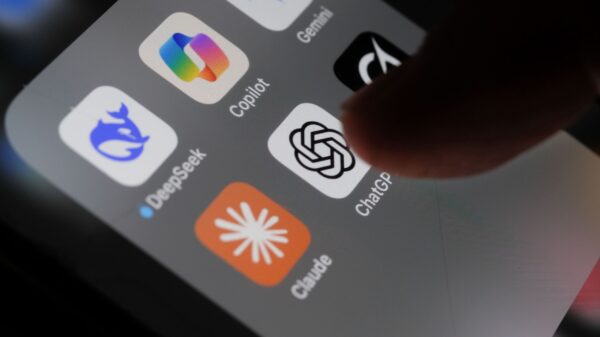
































Revieve has introduced a new tool designed to assist beauty brands and retailers in guiding consumer product discovery within generative AI platforms. The AI Skin Advisor for ChatGPT aims to meet the evolving needs of beauty shoppers seeking personalized routines, as traditional channels like web searches and social media fall behind in relevancy.
As consumers increasingly turn to AI assistants with specific, intent-driven questions, the AI Skin Advisor aims to serve as a new entry point into the discovery journey. Irina Mazur, chief commercial and marketing officer at Revieve, noted, “Consumers are already turning to AI assistants with very specific, intent-driven questions, often earlier in the journey than they would traditionally engage with a brand or retailer.” This shift highlights the transition from traditional navigational methods of browsing to a more conversational approach.
The AI Skin Advisor leverages Revieve’s proprietary skin analysis engine, integrating a brand-led recommendation layer directly into generative AI environments. By employing computer vision for skin assessments and utilizing a global product and ingredient catalog, the tool generates tailored skin care insights within ChatGPT. Importantly, brands have the flexibility to control aspects such as tone, product mapping, educational content, and personalization rules within the AI interface.
As beauty buyers increasingly utilize generative AI for skin care advice, this environment offers brands valuable insights into consumer purchase patterns. The tool captures interaction data, providing brands with a better understanding of consumer concerns, skincare routines, and product exploration patterns. Mazur emphasized that “AI-led consultations provide a much more nuanced view of consumer intent compared to traditional channels.” This data allows brands to refine product development by identifying unmet needs and emerging concerns, enabling clearer communication about ingredients and routines.
Moreover, as the AI Skin Advisor collects data over time, it can facilitate a shift from reactive marketing strategies to proactive, insight-driven engagement. This evolution could significantly reshape how brands approach consumer interactions in the beauty industry.
Despite the rise of generative AI, Mazur believes that these platforms will not completely replace existing discovery channels. Instead, they may serve as an important initial layer of discovery for education-heavy categories like skin care. “Generative AI introduces a new intermediary into the relationship,” she explained, noting that traditionally, brands and retailers have controlled most aspects of the discovery experience through stores, websites, and content.
The integration of AI into the beauty shopping experience introduces both challenges and opportunities. While there is a risk of generic or unbranded guidance if brands do not actively engage in these environments, it also paves the way for more personalized and accessible experiences at scale. Mazur pointed out that AI’s role in consumer beauty purchases blurs the lines between brand, retailer, and advisor, merging consultation, education, and product discovery into a unified interaction.
As the beauty industry adapts to these technological advancements, the AI Skin Advisor represents a significant development in how brands can engage with consumers. This shift prioritizes intent-driven and personalized discovery, suggesting that AI could become a crucial element in connecting consumers with the vast offerings of the beauty ecosystem.
See also Enhance Your Website”s Clarity for AI Understanding and User Engagement
 FoloToy Halts Sales of AI Teddy Bear After Disturbing Child Interactions Found
 AI Experts Discuss Vertical Markets: Strategies for Targeted Business Growth
 Law Firms Shift to AI-Driven Answer Engine Optimization for Enhanced Marketing Success
 Anthropic Disrupts State-Sponsored Cybercrime Using Claude AI, Reveals Key Insights