















































As artificial intelligence technologies advance rapidly, regulators are confronted with dilemmas reminiscent of the social media landscape a decade ago. AI, whether through generative models producing art and text or algorithms guiding hiring and lending decisions, raises significant concerns about free speech, privacy, and misinformation. Stakeholders, including regulators, companies, and ethicists, must make critical decisions that balance innovation with potential societal harms, mirroring the regulatory challenges faced during social media’s explosive growth.
Initially, social media companies flourished in an unregulated environment, focusing on rapid growth at the expense of necessary safeguards. This approach culminated in scandals such as the Cambridge Analytica incident, where data misuse influenced electoral outcomes, prompting governments worldwide to demand oversight on content moderation and user privacy. Similarly, AI technologies risk perpetuating bias, creating deepfakes that undermine trust in media, and deploying autonomous systems that make significant decisions without transparency. According to security expert Bruce Schneier, these challenges necessitate “difficult choices” akin to those encountered in the evolution of social media, where stakeholders must navigate the trade-offs between accountability and innovation.
The stakes involving AI appear even higher, given its capacity to automate decisions at scale. While social media amplified human voices, often showcasing the most extreme opinions, AI has the ability to autonomously generate content, raising ethical questions about the nature of misinformation. Regulators are now grappling with whether AI-driven misinformation should be treated differently from that disseminated by humans, drawing lessons from the heated debates over social media content.
The Regulatory Tightrope: Balancing Innovation and Oversight
Globally, regulatory efforts targeting AI are intensifying, paralleling the regulatory landscape for social media during the late 2010s. The European Union’s AI Act, which will be fully implemented by mid-2025, categorizes AI systems based on risk level, banning high-risk applications such as social scoring while mandating transparency for lower-risk uses. This regulatory framework resembles the EU’s General Data Protection Regulation (GDPR), which sought to rein in social media data practices. In the United States, a fragmented patchwork of state laws is emerging, with California leading the way in requiring AI bias audits, reminiscent of the early days of state-level social media privacy initiatives.
Recent reports underscore the tensions inherent in AI regulation. Scholars across various disciplines have emphasized the necessity for rigorous oversight in AI’s application in business, healthcare, and policy, warning that failure to do so could exacerbate existing inequalities. Meanwhile, the rapid advancement of large language models and geolocation data poses enforcement challenges for regulatory bodies, as highlighted in industry analyses. These sources illustrate how the regulatory framework surrounding AI is evolving, often borrowing elements from social media precedents like mandatory algorithmic audits.
On the international stage, countries such as Japan and China are developing their own AI guidelines. China’s approach emphasizes state control to mitigate dissent, mirroring its stringent regulation of social media. A report from Anecdotes.ai notes the divergent regulatory philosophies, with the U.S. favoring a lighter touch to enhance competitiveness, while the EU prioritizes human rights considerations. This global divergence complicates compliance for multinational corporations, echoing the challenges faced by social media giants navigating varying content laws.
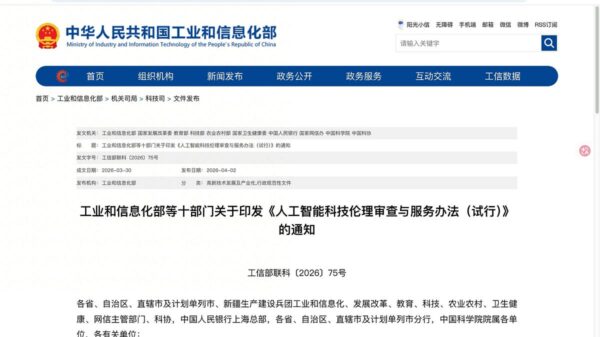
The U.S. regulatory landscape remains particularly contentious, with indications that a potential executive order from President Trump could seek to preempt state laws on AI, arguing that these hinder innovation. This tension reflects a broader struggle between federal deregulation and state-level protections, as over 1,000 AI-related bills have been introduced at the state level. This scenario is reminiscent of social media’s early regulatory environment, where states like California proposed child privacy laws prior to a cohesive federal response.
As the European Commission works on a proposal to streamline the implementation of the AI Act, aiming to eliminate bureaucratic barriers, the National Conference of State Legislatures is tracking a surge in U.S. legislation addressing AI-related issues, from deepfakes to employment discrimination. The evolving regulatory landscape reflects a power struggle over rule-setting—between federal authorities and state governments—with consumers often caught in the crossfire.
These developments highlight a fundamental challenge: regulation must keep pace with technological advancement. The lessons learned from social media’s regulatory journey illustrate that when platforms evolve faster than laws, complications arise. The exponential growth of AI tools amplifies this issue, with synthetic content flooding digital spaces.
Beyond legal frameworks, ethical challenges present considerable hurdles. Public sentiment on platforms like X (formerly Twitter) reveals anxieties about AI’s unchecked proliferation. Users express concerns that social media could become overwhelmed by AI-generated content, calling for stringent verification processes to maintain authenticity. Other discussions question AI’s potential to undermine genuine creativity, paralleling social media’s role in fostering echo chambers.
Looking ahead, the interplay between AI and social media regulation will significantly shape technology’s future trajectory. By addressing these complex choices—balancing freedom with responsibility and innovation with equity—policymakers can harness AI’s capabilities while avoiding the pitfalls that social media encountered. The ongoing discourse on platforms and in expert circles indicates a rising consensus: without decisive action, AI could exacerbate the very flaws exposed by social media, leading to increased division and misinformation.
See also AI-Media Launches ADA Title II Compliance Initiative to Meet 2026 Digital Accessibility Deadlines
 FiscalNote Launches AI-Powered Impact Summaries for Tailored Policy Insights
 Bipartisan Effort Blocks AI Regulation Ban in Defense Bill, Scalise Seeks Alternative Path
 Australia Unveils National AI Plan, Experts Urge Global Cooperation for Safety Measures
 GOP Rejects Trump’s NDAA AI Deregulation Push, Preserving State Oversight