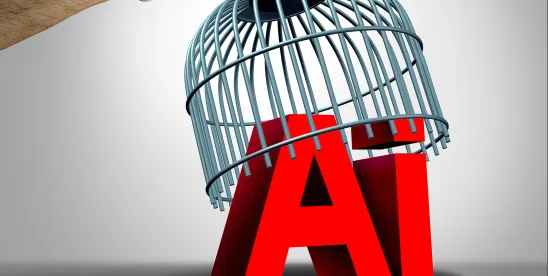















































Artificial intelligence (AI) is increasingly woven into the fabric of daily life for many Americans, who engage with chatbots, receive tailored recommendations on social media, and read automated summaries of online searches. This surge in AI usage, alongside a burgeoning industry, has ignited a debate over who should dictate regulations for this transformative technology. Should it be the federal government, which argues that excessive regulation could stifle innovation, or individual states, which are beginning to enact laws aimed at protecting users from discrimination and harmful chatbot suggestions?
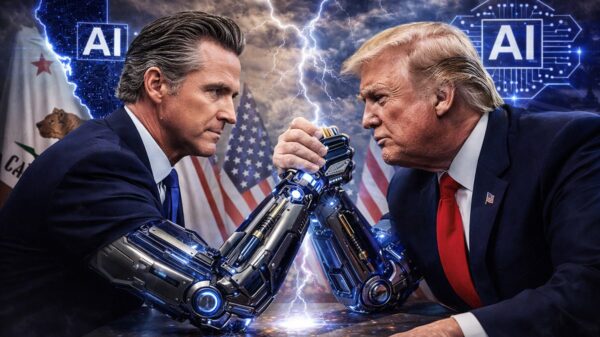
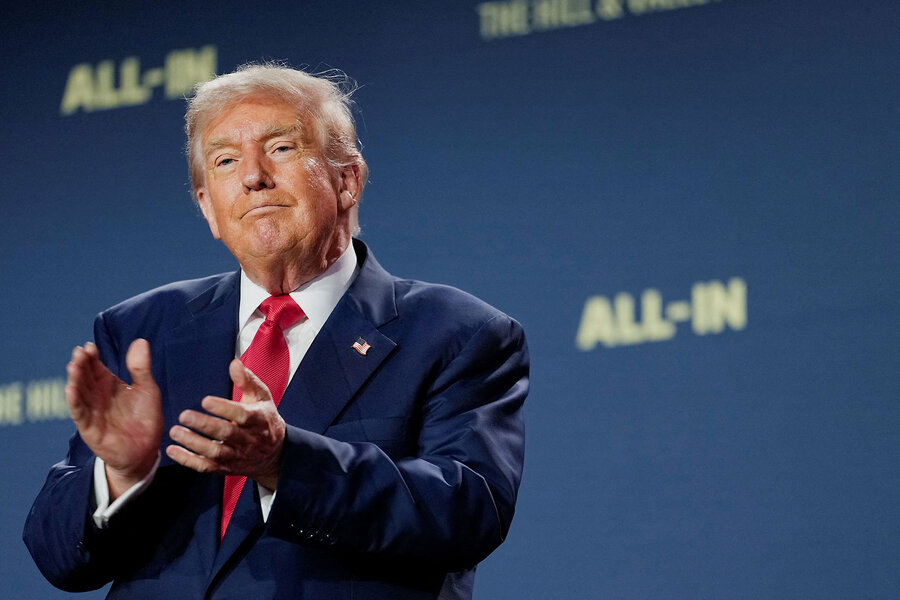
This conflict is currently unfolding in the U.S. Congress, where some Republicans are reportedly attempting to include a moratorium on state AI regulations in a must-pass defense spending bill set for approval by year-end. Concurrently, President Donald Trump is said to be drafting an executive order that would urge states to refrain from enforcing regulations deemed burdensome by the administration.
“Investment in AI is helping to make the U.S. Economy the ‘HOTTEST’ in the World, but overregulation by the States is threatening to undermine this Major Growth ‘Engine,’” Trump stated on social media last week. Punchbowl News reported that House Republicans are advising the White House to postpone an executive order while they negotiate a compromise. Meanwhile, Commerce Secretary Howard Lutnick has indicated that the administration may act unilaterally if Congress fails to make progress.
A recent Gallup poll indicates that while a majority of Americans believe the U.S. should lead in advanced technologies, an overwhelming 97% agree that AI should be subject to regulation. Across the nation, lawmakers are responding to this sentiment; all 50 states have introduced AI-related regulations, with at least 38 states enacting laws this year, emphasizing the need for timely responses to the rapidly evolving challenges posed by AI.
“The states are the laboratories of democracy,” remarked Connecticut state senator and Democrat James Maroney, a member of a multistate AI working group. “We know the federal government just can’t act as quickly, and we know how rapidly these technologies are changing, allowing the states to regulate where they’re closer to seeing the harms.”
Efforts by the Trump administration to limit state regulatory power have previously faced backlash. A draft of a Republican tax-and-spending bill proposed a 10-year moratorium on state AI regulations, which was ultimately struck down in the Senate with a 99-1 vote. However, the conversation is far from concluded. Senator Ted Cruz has asserted that the moratorium proposal remains a viable option.
While Congress and the administration deliberate on mechanisms to curb state regulations, states continue to advance their legislative efforts. California Governor Gavin Newsom has signed over a dozen AI bills into law in the past two years, including a landmark transparency bill this September mandating that large AI firms disclose how they implement safety protocols to prevent chatbots from disseminating harmful information.
New York has pushed forward similar legislation, and Illinois has enacted broad restrictions on AI usage in therapy. Colorado and Texas have passed laws aimed at protecting individuals from discrimination based on AI algorithm decisions in critical areas such as housing and employment.
Experts predict an influx of legislation in the coming year aimed at establishing safety parameters for AI interactions, particularly those involving children. However, opinions vary on the implications of such a patchwork of regulations. During a September congressional hearing, Rep. Darrell Issa of California warned of a potential “patchwork of indecision,” arguing that conflicting state laws may impose significant burdens on businesses and developers.
Many Republicans and tech leaders fear that navigating these diverse regulations could hinder AI innovation as the U.S. competes with China for leadership in the AI sector. “When you have 50 different states creating potentially 50 different sets of rules… that creates such a regulatory nightmare,” asserted Patrick Hedger, director of policy at NetChoice, an internet free enterprise trade association.
In contrast, Travis Hall, director of state engagement for the nonprofit Center for Democracy and Technology, believes the “patchwork” concern is overstated. He argues that many of the laws target specific industries already governed by state regulations, which can help manage local challenges more effectively. For instance, Tennessee’s recent ELVIS Act prevents the misuse of AI to impersonate musicians, a relevant move given the state’s rich musical heritage.
While the regulatory landscape evolves, complexities persist. American Enterprise Institute economist Will Rinehart highlighted difficulties with Colorado’s AI law, which faced criticism for potentially imposing undue burdens on businesses. Following objections from tech groups, implementation of the law was delayed until June 2026.
“I have a hard time imagining a federal bill that would really cover the landscape of things that AI touches,” said Maroney, who collaborates with more than 100 state lawmakers to address these regulatory challenges. Their group meets bi-monthly to share strategies and resources, aiming for consistent regulation across states. “The way forward is working together,” he concluded, as states navigate the uncharted waters of AI regulation.
See also AI Policy Gaps: Korea Invests 10.1 Trillion Won Amid Global $500 Billion AI Race
 Insurance AI Regulations: 24 States Adopt New Compliance Standards Amid Data Privacy Challenges
 AI Compliance Officers: Essential Role or Strong Governance Frameworks Enough?
 Trend Micro Launches Trend Vision One AI Security Package for Comprehensive AI Risk Management
 India’s CCI Reveals AI Market Study, Proposes Policy for Fair Competition and Innovation