













































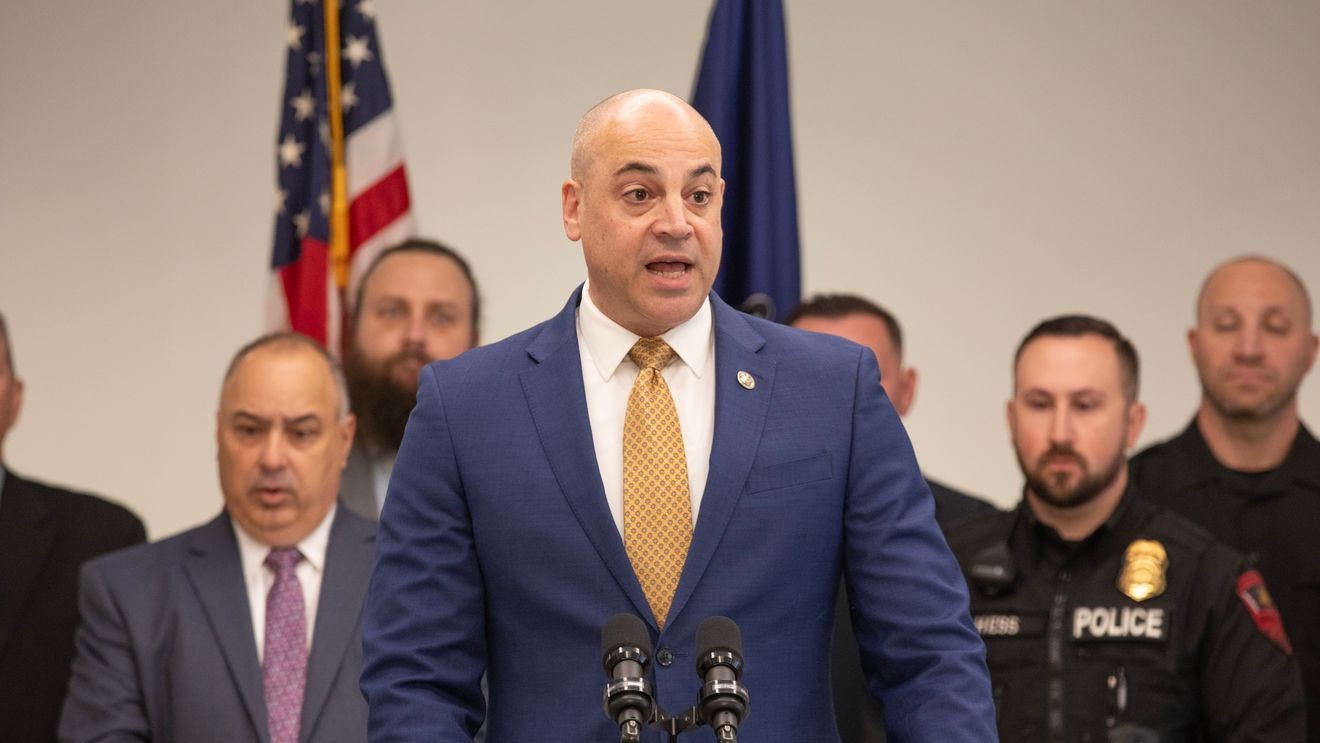
HARRISBURG, Pa. (WHP) — Pennsylvania Attorney General Dave Sunday expressed strong opposition on Tuesday to federal proposals that would undermine state laws aimed at regulating artificial intelligence (A.I.) and mitigating associated risks. His statement reflects growing concerns among state legislators and attorneys general nationwide regarding the potential for federal overreach in the regulation of emerging technologies.
Attorney General Sunday is joined in his stance by 36 fellow attorneys general as well as other legislative leaders from Pennsylvania, all advocating for the preservation of state powers to regulate A.I. The Attorney General’s office noted that Congress is “poised to pass a provision that would strip states of the ability to regulate A.I. and take enforcement action against those who use it to cause harm.” This move has raised alarms among officials who believe state-level regulations are essential for protecting citizens.
In his statement, Sunday highlighted his recent legislative initiatives, which include two significant bills: one mandates the reporting of child sexual abuse material, including that which is artificially generated, and the other will focus on regulating A.I. specifically in healthcare. He stated, “I am again joining many colleagues in urging Congress to allow states to continue on with the great progress we are making to protect children, families, and communities from the dangers of artificial intelligence.”
He emphasized the importance of state-level enforcement, particularly in addressing the exploitation of children and vulnerable adults through manipulated images disseminated online. This enforcement capability, he noted, is made possible by existing state legislation. The Attorney General and legislative leaders are actively working on additional bills aimed at bolstering protections against the misuse of technology.
The Pennsylvania Office of Attorney General reported that it has successfully charged at least six individuals under Act 125, a law enacted in December 2024. This statute prohibits the use of A.I. to create material that “appears to ‘authentically depict a child under 18’ engaging in sexually abusive acts that did not occur in reality.” Such legislative measures are part of a broader strategy to combat the rising tide of A.I.-driven crimes.
As discussions about A.I. regulation continue at the federal level, the stakes are high for states like Pennsylvania that are taking proactive steps to address these challenges. The potential federal provision could stifle the progress made at the state level, particularly in protecting vulnerable populations from technological threats.
With the rapid advancement of A.I. technologies, calls for robust regulatory frameworks have intensified across various sectors, including healthcare and child protection. The dialogue between state and federal authorities on this issue will likely be pivotal as lawmakers navigate the complexities of ensuring public safety without stifling innovation.
As Attorney General Sunday and his counterparts push for the preservation of state regulatory authority, the implications for A.I. legislation will extend beyond Pennsylvania, potentially influencing national standards. The ongoing tension between state and federal governance in this domain underscores the critical need for balanced approaches to technology regulation that prioritize safety while fostering innovation.
See also North Carolina and Utah Launch Bipartisan AI Task Force to Enhance Public Safety
 PPS Announces Major Reform to Boost Transparency, Local Autonomy, and AI Procurement by 2030
 Rencore Secures $15M in Series A Extension to Advance AI Governance and Global Growth
 UK Businesses Lag in AI Strategy with Only 7% Adopting Enterprise-Wide Plans
 Youth Advocates Urge Congress to Preserve State AI Protections for 2,100+ Supporters