
















































The Albanese government has unveiled its National AI Plan, marking a significant shift towards self-regulation in an industry projected to be worth trillions of dollars. This plan, which fosters an “opportunity first” mentality, seeks to harness the productivity and innovation potential of artificial intelligence (AI) while notably dismissing the strict regulatory measures proposed by former industry minister Ed Husic.
Critics have expressed concern over the influence of extensive lobbying that shaped a “whole of government framework” designed to enhance investment in energy-intensive data centres and training initiatives without establishing a central regulatory authority. Industry and Innovation Minister Tim Ayres has countered these criticisms, highlighting the introduction of a $30 million AI Safety Institute that aims to refine and support existing regulatory frameworks.
“There are clear accountabilities for existing regulators and existing portfolio agencies to do their work,” Ayres stated. He asserted that the alternative to the current plan could lead to duplicative efforts and undermine the accountability of government entities. Describing the approach as “agile” yet “pragmatic,” Ayres emphasized the myriad opportunities AI presents for Australia in various sectors, including health and energy.
Independent Senator David Pocock has been vocal in accusing both Ayres and Assistant Minister for Science, Technology and the Digital Economy Andrew Charlton of granting excessive power to major tech firms such as OpenAI, Meta, and Google. He noted significant lobbying efforts from these companies, suggesting that the government is under pressure to avoid confrontations with the tech giants.
The Tech Council of Australia, which claims “deep engagement” with the government during the plan’s development, anticipates that AI could generate 200,000 new jobs and add $115 billion annually to the national economy by 2030. The Council’s founding chief executive, Kate Pounder, now serves as OpenAI’s Australian policy liaison, which raises questions about the connections between government officials and tech industry leaders.
The Greens have also criticized the government for not sufficiently challenging the influence of large tech companies. Senator David Shoebridge warned that the absence of strict regulations may lead to societal harms, particularly concerning the management of AI’s impact on vulnerable populations.
Minister Ayres dismissed allegations of excessive industry closeness, asserting that the government’s focus is on bolstering national capabilities. He contends that while collaboration with the tech industry is crucial, the government is equally engaged with civil society and trade unions to safeguard the national interest.
The plan places a strong emphasis on Australian sovereignty over AI, defining it as a key component of the strategy. With management consultancy McKinsey & Company estimating that global data centres could attract up to $7 trillion in investments by 2030, the plan positions Australia to leverage this trend, alongside a commitment to “sovereign compute capability” and ensuring that local workplaces are adequately prepared for AI integration.
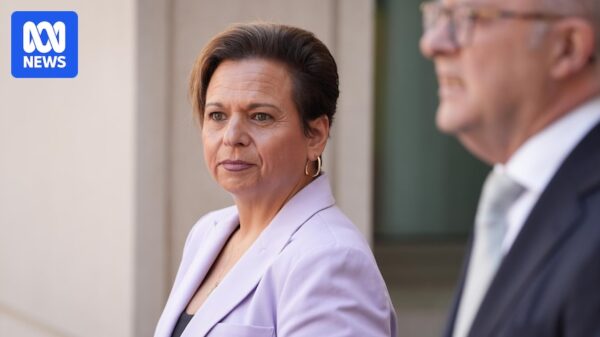
With $460 million in existing AI funding being incorporated into the national strategy, an additional $1 billion is set aside for critical technologies under the National Reconstruction Fund. Labor Senator Michelle Ananda-Rajah, a former AI startup founder, highlighted the necessity for local startups to compete against large tech firms, advocating for tailored support to ensure their survival.
The Coalition has raised concerns about the energy demands associated with AI and the potential for increased union influence in workplace AI deployment. Shadow Minister Alex Hawke articulated opposition to provisions that might enable further union involvement in AI system design, which could complicate workplace dynamics.
Amid ongoing debates surrounding workplace surveillance, privacy, and job displacement, Ayres believes that the discourse surrounding technology and its implications needs to evolve. He emphasized the transformative nature of AI as an enhancement of existing technological trends rather than a standalone phenomenon.
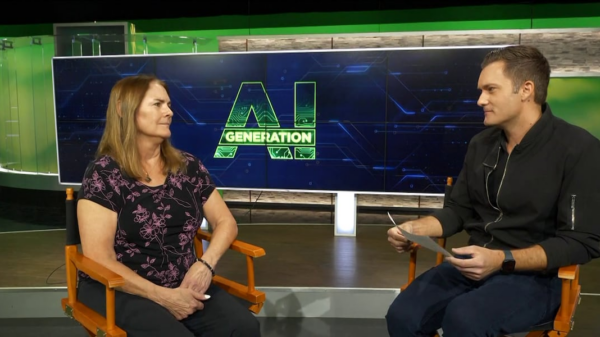
AI ethicist Bec Johnson cautioned about the risks posed by advanced AI agents capable of making autonomous decisions, underscoring the necessity for robust planning and regulation. “We really need to plan for that,” Johnson warned, advocating for clear language around AI development that recognizes human responsibility in its creation and deployment.
In response to concerns about content manipulation and misinformation, the Australian government has issued guidelines encouraging AI developers to “watermark” AI-generated content. However, without a legal obligation to comply, the effectiveness of these guidelines remains uncertain. Senator Pocock expressed alarm over the lack of legislative action against harmful applications of AI technologies.
Communications Minister Anika Wells has initiated measures targeting abusive technologies that pose risks to children, aiming to safeguard vulnerable users. Minister Ayres reiterated the importance of transparency and accountability from tech companies, urging them to engage constructively with government authorities.
As the Australian government moves forward with the National AI Plan, the balance between fostering innovation and safeguarding public interests remains a pivotal challenge. With immense potential for economic growth on the horizon, the implications of this regulatory shift will be closely monitored by stakeholders across various sectors.
See also EU Launches Antitrust Probe into Meta’s WhatsApp AI Policies Over Competition Concerns
 Compliance Week Review: FCPA Enforcement Trends and Key Insights for December 2025
 Study Reveals AI Art Attracts Greater Legal Scrutiny in Copyright Cases
 State AI Laws for 2026 Announced: Key Regulations Impacting Hiring Practices