






















































OTTAWA — At the Paris AI Action Summit in February, U.S. Vice President JD Vance delivered a speech against AI regulation, attended by then-Prime Minister Justin Trudeau and other world leaders. Vance’s address, presented on a large screen amid the historic Grand Palais, signaled a significant shift in global attitudes toward AI governance.
This transformation reached Canada a month later when Mark Carney succeeded Trudeau as prime minister and indicated a new direction for artificial intelligence policy. Under Trudeau, the government had been poised to lead with AI regulatory legislation, championed by former industry minister François-Philippe Champagne. However, Carney’s new Artificial Intelligence Minister, Evan Solomon, quickly clarified the government’s stance: Canada would not “over-index” on AI regulation, especially if the U.S. and China chose not to pursue it.
Within a year, the federal focus transitioned from regulating AI development to capitalizing on the economic opportunities presented by the technology and promoting its adoption in federal public service. In December, Solomon announced new AI agreements with Germany, the U.K., and the EU during the G7 industry, digital, and technology ministers’ meeting in Montreal. Despite signing these pro-regulation memorandums of understanding, Solomon maintained that Canada’s core position on AI governance remained unchanged.
“Our position is exactly where we have been,” Solomon told The Canadian Press. He emphasized that there was a “sweet spot” between what he considered the EU’s over-regulation, which could stifle innovation, and the more laissez-faire approach of the U.S. and China. Henna Virkkunen, executive vice-president of the European Commission for technological sovereignty, echoed this sentiment, asserting that human values must guide AI development.
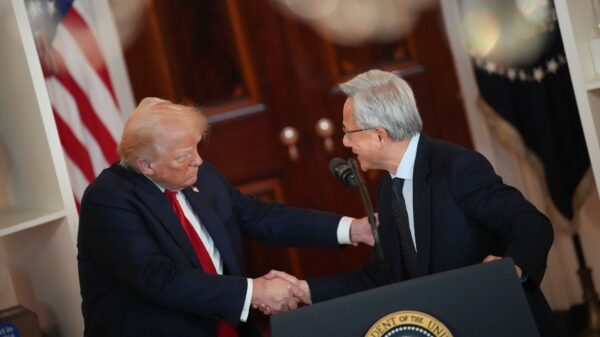
Virkkunen acknowledged criticism of the EU’s regulatory stance but insisted that their AI Act would remain while being implemented in a manner conducive to innovation. Both Solomon and Virkkunen downplayed U.S. opposition to AI regulation, noting ongoing efforts at the state level. However, the landscape shifted dramatically when U.S. President Donald Trump signed an executive order blocking states from regulating AI.
Canada’s role in this evolving dynamic is critical. “I think Canada will, of course, decide in the coming months what kind of rules Canada would like to set,” Virkkunen stated. Solomon plans to introduce a new privacy bill after the House of Commons reconvenes, aiming to incorporate elements of Bill C-27, which sought to update private sector privacy laws while focusing less on broad AI regulations.
“This is not going to be the exact same piece of legislation as C-27 was,” Solomon noted, indicating a focus on protections for children and measures against deepfakes. He suggested potential age restrictions for chatbot access and the right to delete deepfakes, although he provided few specifics. Solomon emphasized the need for citizen protection and enforcement mechanisms in any new legislation.
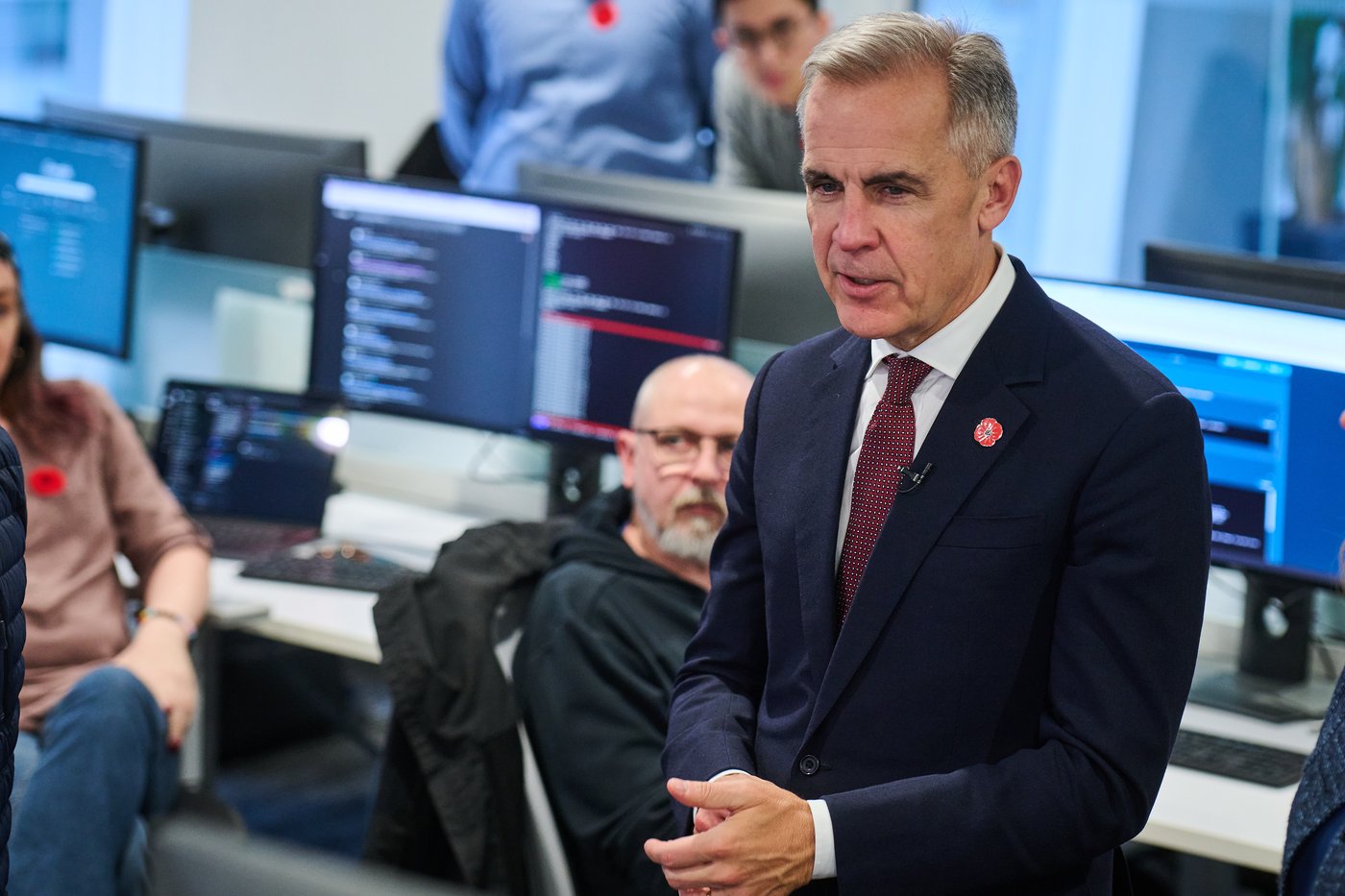
Experts like Heidi Tworek from the University of British Columbia expressed skepticism regarding the current government’s commitment to regulation, suggesting that it is more focused on innovation. The Carney administration has framed AI as a priority for commercial applications, with a significant emphasis on achieving productivity growth. Paul Samson, president of the Centre for International Governance Innovation, noted that Carney views AI as crucial for enhancing Canada’s economic growth.
Mark Daley, chief AI officer at Western University, praised the appointment of an AI minister as a message that the government prioritizes AI in both domestic and international arenas. “AI and compute are nation-building infrastructure platforms,” he asserted, reflecting the sentiment of many industry experts. Yet, substantial public investment in Carney’s AI vision remains absent. Under Trudeau, the 2024 budget allocated $2.4 billion for AI development, primarily for computational power and infrastructure.
Carney’s first budget in the fall of 2025 included $925.6 million for AI infrastructure, but much of this funding was reallocated from previous budgets. Though Carney has discussed establishing a “sovereign cloud,” a secure cloud computing environment governed by national laws, significant projects to realize this vision have yet to be announced.
Looking ahead, it remains uncertain how Carney’s funding approach will evolve with Solomon’s forthcoming national AI strategy. Samson highlighted a desire among international stakeholders for Canada to take a more proactive role in global AI governance, particularly in discussions surrounding ethical boundaries, such as prohibiting AI access to nuclear weapons. While Canada may be reticent to take a bold stance due to U.S. dynamics, many international representatives view it as a potential catalyst for essential conversations.
This report by The Canadian Press was first published on Dec. 20, 2025.
Anja Karadeglija, The Canadian Press
See also Sedgwick Reveals Workforce Transformation Amid AI-Driven Leadership Changes
 Missouri Lawmakers Announce AI Regulation Bills Ahead of January 7 Session
 Europe’s Far-Right Parties Leverage Unlabelled AI to Secure 37 MEP Seats Despite Ethics Violations
 Twelve AI Firms Release Updated Safety Policies Amid Growing Risk Concerns
 AI Safety Conclave Unveils Guidelines for Ethical AI Deployment in Critical Sectors