















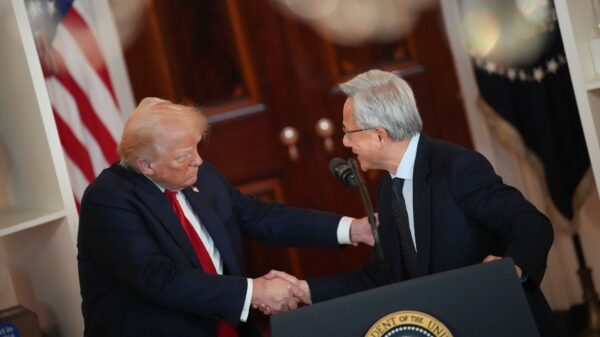







































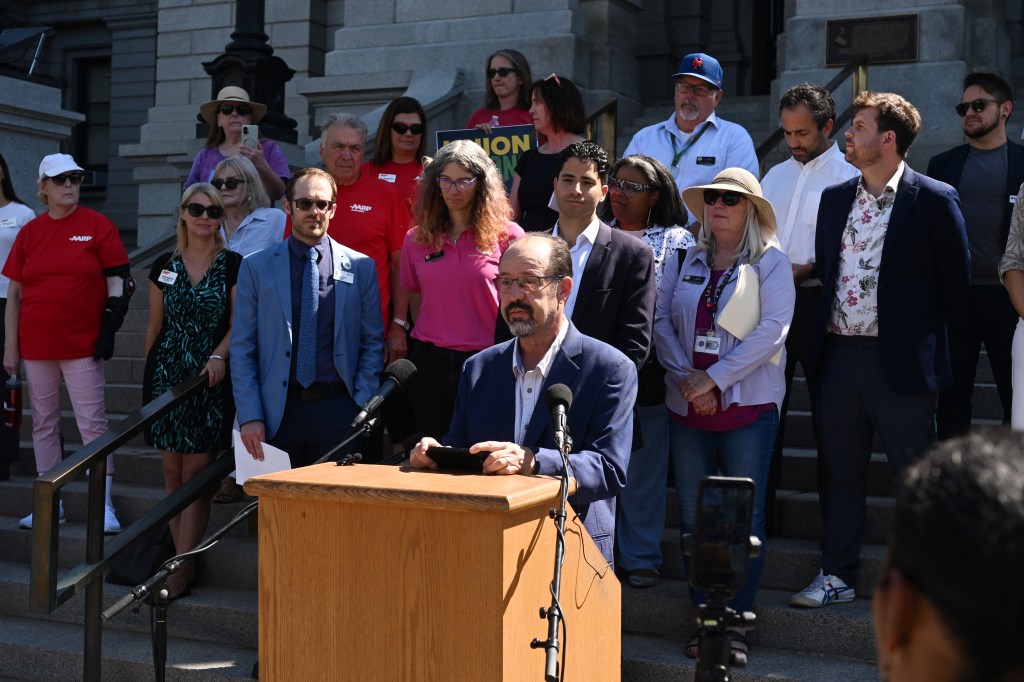
Colorado lawmakers are reaffirming their commitment to regulating artificial intelligence (AI) technology, despite a recent executive order from President Donald Trump that threatens to challenge state-level regulations and could potentially withhold hundreds of millions in federal funding. Trump’s order, issued on December 11, emphasizes a “minimally burdensome national policy framework” for the AI industry, which many state officials view as an insufficient deterrent to their regulatory efforts.
Colorado Attorney General Phil Weiser highlighted the limitations of the federal government’s authority, stating, “Without congressional action, there is no free-standing authority for the president to challenge state AI laws or punish states for adopting laws he doesn’t like.” This sentiment reflects a broader push among Colorado officials to establish robust regulations for AI, particularly in light of the technology’s rapid integration into various sectors and its potential to disrupt traditional economic and societal norms.
The state’s lawmakers previously passed a law in 2024 aimed at preventing algorithmic discrimination in areas such as employment and housing. The law, one of the first of its kind in the U.S., has yet to be enacted, as its implementation was postponed from February to June 2026 to allow for additional deliberation on regulatory approaches that foster innovation without compromising consumer protections. This ongoing discussion is set to resume when the Colorado legislature reconvenes in January.
In his executive order, Trump specifically criticized Colorado’s pending regulations, asserting that they might compel AI models to produce inaccurate outcomes to avoid perceived discrimination against protected groups. As part of his strategy to align state laws with federal expectations, Trump is establishing an “AI Litigation Task Force” to contest state regulations perceived as overly restrictive.
Colorado Governor Jared Polis, who advocates for a more flexible regulatory environment, has expressed frustration over the lack of federal action on comprehensive AI legislation. He emphasized that the threat of losing federal Broadband Equity Access and Deployment (BEAD) program funding, which could amount to $420 million for Colorado, adds urgency to the state’s regulatory discussions. “We need Congress to pass a comprehensive, nationwide regulatory structure that provides important consumer protections while fostering innovation,” Polis said.
In addition to Colorado, other states like California, Utah, and Texas have also begun implementing their own AI regulations. The varied state-level approaches underscore a growing consensus that federal guidelines are necessary to create a consistent legal framework for the rapidly evolving technology. However, with Congress yet to take meaningful action, states continue to forge ahead with their own initiatives.
Senator Michael Bennet, another Democratic candidate for governor, described Trump’s executive order as a “dangerous overreach of power” that hampers Colorado’s ability to ensure community safety while promoting innovation. He, along with other state leaders, calls for cooperative efforts between state and federal governments to establish sensible AI regulations that protect consumers without stifling technological advancement.
State Representative Brianna Titone, a leading advocate for AI regulation, dismissed Trump’s order as more of a “wish list” than a serious threat. Despite concerns about funding, Titone believes that effective regulations could enhance product safety and consumer trust in AI technologies. She argues that the industry’s growth should not come at the expense of consumer welfare, stating, “People who are using and consuming these products don’t want to be dealing with the dangers and risks.”
As Colorado officials prepare to continue discussions around AI regulation in 2026, they remain steadfast in their commitment to protecting consumers while navigating the complexities of a technology that poses significant societal challenges. Weiser has also pledged to challenge any federal attempts to undermine state laws, positioning Colorado as a leader in the ongoing dialogue about AI governance. The forthcoming legislative session is poised to be crucial for shaping the future of AI in the state and potentially setting a precedent for others to follow.
See also Canada’s AI Policy Shift: Minister Solomon to Introduce New Privacy Bill Amid Global Trends
 Sedgwick Reveals Workforce Transformation Amid AI-Driven Leadership Changes
 Missouri Lawmakers Announce AI Regulation Bills Ahead of January 7 Session
 Europe’s Far-Right Parties Leverage Unlabelled AI to Secure 37 MEP Seats Despite Ethics Violations
 Twelve AI Firms Release Updated Safety Policies Amid Growing Risk Concerns