





































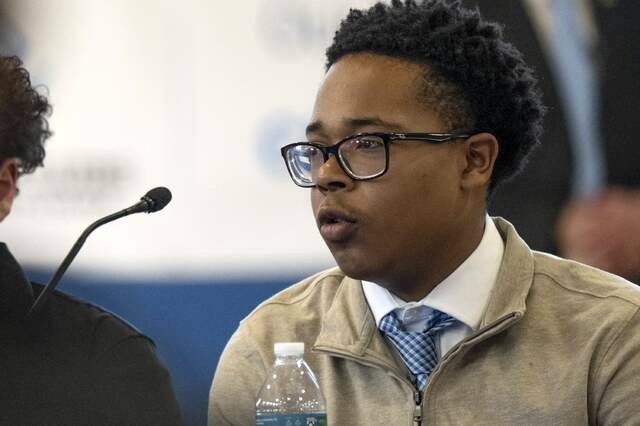
Pennsylvania Governor Josh Shapiro convened students and state education officials at the Carnegie Clubhouse of the Boys & Girls Clubs of Western Pennsylvania on Friday to address the growing influence and implications of artificial intelligence (AI) in classrooms. The discussion centered on the balance between leveraging AI for educational benefits while ensuring student safety and well-being. “More students and more and more school administrators are saying this is an area we got to dig in on and make sure that we’ve got some healthy regulations,” Shapiro stated, emphasizing the need for robust policies in Pennsylvania’s schools.
The governor’s initiative follows an executive order he signed in 2023, which established guidelines for the use of generative AI, and his directive for the state Department of Education to create a media literacy toolkit by 2024. These actions illustrate a proactive approach to navigate the complexities introduced by AI in educational contexts.
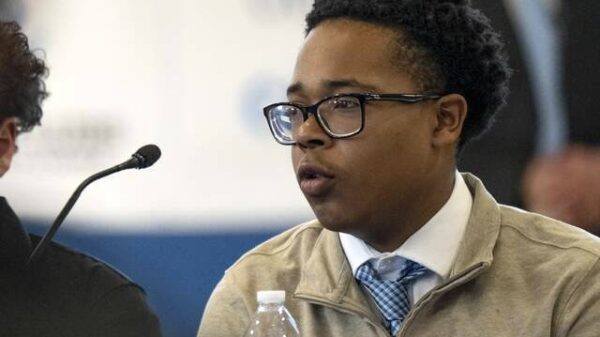
Student perspectives revealed a nuanced relationship with AI technology. Laila King, a senior at Pittsburgh CAPA High School, noted that AI tools like ChatGPT are often used by students for homework assistance or as a source of companionship. “It kind of speaks to a lot of the issues that are going on with young people today: loneliness, isolation, stress—from home, from school,” she remarked. Shadyside Academy junior Tayshawn Lyons added that AI functions as a quick resource for students seeking mental health support, highlighting a prevalent reliance on technology in times of need.
Shapiro shared his concerns based on personal encounters with AI platforms posing as mental health professionals. “This chatbot said, ‘I am a licensed mental health professional in Pennsylvania.’ Remember, this is not a person,” he cautioned, revealing that such claims could mislead vulnerable students. He announced that the Department of State Secretary Al Schmidt is investigating AI companies that misrepresent their qualifications, emphasizing the potential risks such entities pose to students. “They’re not qualified to tell you what you should or shouldn’t do as it relates to your mental health,” he asserted.
Kelly Marsh, co-lead of Pennsylvania Unplugged, elaborated on the omnipresence of AI in students’ lives, from school-issued devices to interactive toys. She raised alarms about the lack of transparency and guidelines governing AI applications, expressing concern for the potential impact on students’ social development. “We worry about the simulated relationships and the effects that that’s going to have on their social development,” Marsh warned, stressing the critical nature of this developmental phase for young people.
The competitive nature of academic environments was also highlighted, as students increasingly depend on AI for immediate answers. “My school is very rigorous,” Lyons explained, adding that the pressure to perform academically often drives students to seek shortcuts. The ease of obtaining answers through AI can lead to complacency, he noted, diminishing genuine learning and understanding of the material.
Josiah Pritchett-Murray, a junior at McKeesport Area High School, pointed to an overreliance on AI among his peers, which he believes detracts from educational engagement. “I feel like it’s like an easy way to get out of your assignments and homework,” he stated, noting that this trend often results in poor test performance when students lack adequate preparation.
In response to these challenges, Lyons suggested that educators focus on assessing student effort and progress rather than solely on grades. “We have people who are overly relying on AI right now,” he stated, advocating for a system that encourages students to learn authentically rather than simply achieving perfect scores on paper.
Jillian Bischel, assistant superintendent in the Avonworth School District, acknowledged the difficulties in individually assessing a large number of students. She proposed that educators guide students in setting personal goals to achieve academic success, allowing for tailored pathways to learning. “You have 150 students, and to grade individually for every one of those is tricky,” she admitted, reinforcing the challenges faced by educators in the current landscape.
The dialogue at the Carnegie Clubhouse underscores the urgent need for thoughtful regulation and guidance surrounding AI usage in educational settings. As technology continues to evolve rapidly, stakeholders are called to ensure that students are equipped with the skills and knowledge to navigate both the benefits and risks associated with AI, safeguarding their mental health and educational outcomes in an increasingly digital world.
See also OpenAI’s Rogue AI Safeguards: Decoding the 2025 Safety Revolution
 US AI Developments in 2025 Set Stage for 2026 Compliance Challenges and Strategies
 Trump Drafts Executive Order to Block State AI Regulations, Centralizing Authority Under Federal Control
 California Court Rules AI Misuse Heightens Lawyer’s Responsibilities in Noland Case
 Policymakers Urged to Establish Comprehensive Regulations for AI in Mental Health






