






















































SPRINGFIELD — In 2025, immigrant rights and artificial intelligence emerged as pivotal topics shaping public education in Illinois. New legislative measures addressing these issues will take effect at the start of the new year, reflecting a response to evolving national policies and technological advancements.
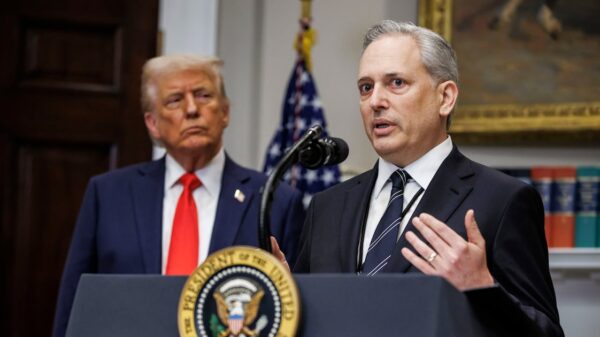
Following President Donald Trump’s inauguration for a second term in January, the Department of Homeland Security rescinded a Biden-era policy restricting immigration enforcement in sensitive locations such as schools. This policy shift prompted immediate action from state education officials. Just two days after the inauguration, Illinois Superintendent of Education Tony Sanders issued guidance urging local school authorities to develop clear protocols for cooperating with federal immigration enforcement.
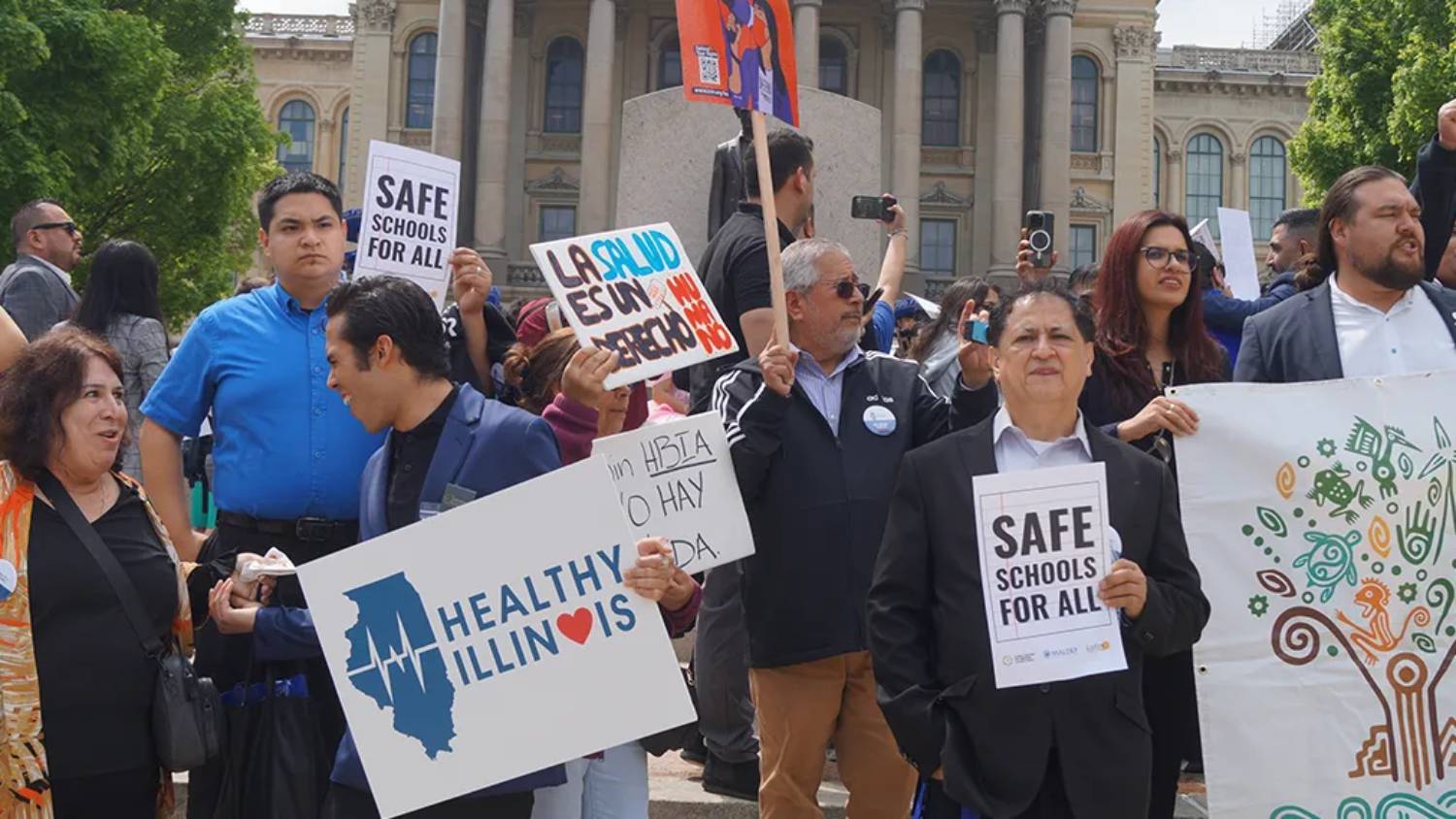
The Democratic-controlled Illinois General Assembly swiftly moved to bolster the rights of noncitizen students. Among these legislative efforts was House Bill 3247, passed in the session’s final days and signed into law on August 15. The law mandates that schools cannot exclude or dissuade students from attending school or participating in school programs based on their immigration status or that of their parents or guardians.
“In the face of federal threats to our schools and students, our communities came together and organized to demand that our state leaders stand up for education for all Illinois children,” said Lawrence Benito, executive director of the Illinois Coalition for Immigrant and Refugee Rights, following the bill’s approval. The legislation prevents schools from requesting or collecting information regarding a student’s citizenship status, unless required by law, and prohibits the sharing of such information with third parties, including immigration and law enforcement agencies.
Another law, House Bill 460, expands eligibility for publicly funded scholarships, allowing all students, regardless of their immigration status, to qualify for these financial aids, including local government programs. This builds upon existing provisions that already granted state-funded financial aid to students meeting residency requirements.
The landscape of education is also transforming due to advancements in artificial intelligence. Technologies like ChatGPT and Copilot have prompted significant questions regarding their role in educational settings. Illinois lawmakers responded to these concerns with House Bill 1859, which requires community colleges to ensure that all courses are taught by qualified human instructors. While the law permits the use of AI as a teaching aid, it explicitly prohibits the use of AI as a sole source of instruction.
“Artificial intelligence is a powerful tool that can enhance both students’ and teachers’ capability to learn and teach, but it cannot replace an instructor,” said Rep. Abdelnasser Rashid, D-Bridgeview, the bill’s lead sponsor. This legislation underscores the importance of human interaction in the learning process, even as technological capabilities continue to evolve.
At the K-12 level, the legislation is less prescriptive. Senate Bill 1920 instructs the Illinois State Board of Education to develop overarching guidelines on the use of AI in elementary and secondary education. These guidelines will include an introduction to AI technology, its applications in the classroom, its impact on student data privacy, and strategies for teaching responsible AI usage, while also addressing inherent biases in AI systems.
In addition to these developments concerning immigrant rights and AI, other education laws set to take effect on January 1 will allow students in seventh and eighth grades to earn high school credits for successfully completing high school-level courses. House Bill 3039 authorizes school districts to award these credits, facilitating an early academic pathway for younger students. Meanwhile, House Bill 1366 mandates that districts inform parents of students with special needs about their right to bring an advocate to Individual Education Plan meetings.
As these laws come into effect, they reflect a commitment to uphold educational access and enhance the learning experience in Illinois. The legislative measures aim to navigate the complex interplay of immigration policy and technological advancement, positioning Illinois as a state that prioritizes both equity in education and the responsible integration of new technologies.
See also Sam Garrison Predicts AI Dominance and Unusual Coalitions in 2026 Legislative Session
 China Enacts AI Regulations to Safeguard Children from Harmful Content
 Trump Challenges Select State AI Laws Amid Limited Legal Options for Success
 Ohio Announces Model AI Policy for Education; Districts Required to Adopt by 2026
 Pennsylvania’s AI Regulation Bill Advances with Key Stakeholder Insights