















































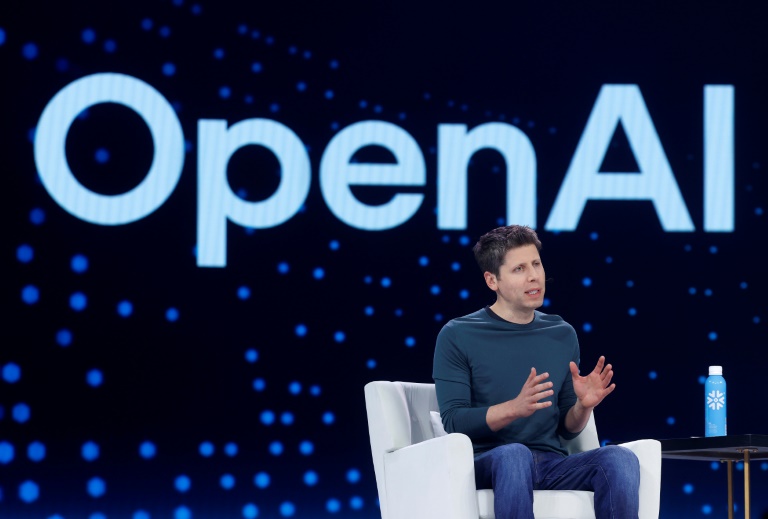
A recent analysis by Bernstein Research highlights the immense influence of OpenAI CEO Sam Altman, suggesting he could either disrupt the global economy or guide it towards tremendous advancements. The startup behind ChatGPT is currently racing to develop artificial intelligence infrastructure, an endeavor that requires billions of dollars in investment.
One of OpenAI’s latest offerings, ChatGPT Health, is designed as a chat service aimed at providing various medical-related information to consumers. Although its launch is positioned as a general information service, the potential implications of such technology are vast. The tool serves as an interface for information that can easily be misconstrued as medical advice.
A recent article in The Guardian underscores the risks associated with ChatGPT Health, recounting a troubling incident where an individual mistakenly ingested sodium bromide, believing it to be a substitute for table salt. The case starkly illustrates the dangers of relying on AI-generated information without proper scrutiny.
The root of the problem lies in the AI’s reliance on available data to process requests. In the case of sodium bromide, the available data is not only scarce but also of subpar quality. Manufacturers of the compound seem to provide limited information, a fact that the AI must navigate.
When the AI searched for sodium bromide, it found general search data and product information that were insufficient for making medical decisions. The limited data included warnings about safety and toxicity, but it failed to provide a comprehensive understanding. Consequently, the individual ingested sodium bromide and experienced hallucinations, an adverse effect that was ironically noted in the toxicity information available from the AI’s search.
This situation exemplifies what can be termed “AI overreach.” The consumer, in this case, exceeded his own knowledge base, mistakenly believing an AI-generated response could offer a quick and safe alternative to table salt. For ChatGPT Health, this represents a significant overextension of its capabilities. While it may be able to present factual information, translating that into actionable medical advice is a precarious leap.
The rise of online health services is often attributed to their efficiency and convenience, mimicking the experience of consulting a general practitioner. However, AI-driven health services frequently lack the depth required to navigate complex medical questions. Unlike a GP, who can collaborate with a patient to assess information, AI lacks the ability to engage in this essential two-way scrutiny.
In the case of sodium bromide, the profound disconnect between the information presented and the reality of its use underscores the need for oversight. A competent physician would likely raise immediate concerns about using a chemical typically associated with pool sanitation as a dietary substitute.
Regulatory Considerations
The need for regulation in AI health services becomes apparent when examining existing legal frameworks. In Australia, for instance, medical companies are not permitted to provide medical services as they are not considered legal persons. This distinction raises significant questions about how AI can operate similarly. Since AI itself is not a legal entity, this dovetails into broader discussions about the legitimacy of AI-generated medical advice.
AI could potentially be regulated under the auspices of the Therapeutic Goods Administration, which oversees therapeutic products and services, including advisory roles. The regulatory framework would need to incorporate safeguards to mitigate risks associated with AI-generated health information, as the consequences of misinformation can be dire.
The urgency for regulation arises from the potential for dangerous misinformation to infiltrate consumer health decisions. The stakes are high, considering the U.S. has faced challenges with both regulated and unregulated medications. The expectation should be that manufacturers are responsible for ensuring the safety of their products, easing the burden on consumers to navigate complex risks.
In summary, the alarming case of sodium bromide serves as a cautionary tale in the realm of AI health services. As artificial intelligence becomes an increasingly vital part of healthcare infrastructures, it is crucial that stringent regulatory measures are implemented to safeguard public health. The promise of AI must be tempered with responsibility to ensure it does not contribute to harm.
See also State AI Regulations Surge Amid Federal Inaction: Key Legislation from Colorado, Utah, and Texas
 AI Adoption in Life Sciences Surges: 95% of Projects Fail to Scale, Experts Warn
 Mistral Secures $14B Valuation by Offering European AI Solutions for Local Control
 Oklahoma Lawmaker Proposes Three AI Regulation Bills to Protect Users and Ensure Accountability