
















































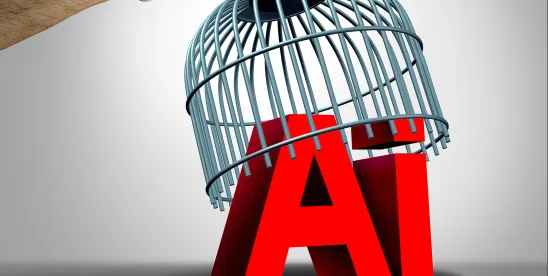







The Polish government has approved draft legislation aimed at regulating artificial intelligence systems, marking a significant step towards enhancing the security of its citizens and establishing a robust oversight framework for AI technologies. This initiative, introduced on Wednesday, aligns with the European Union’s broader objective to implement the provisions of the EU Regulation on Artificial Intelligence, commonly referred to as the AI Act, into Polish law.
The draft law underscores the government’s commitment to creating a regulatory environment that not only safeguards public interests but also fosters innovation among entrepreneurs in the AI sector. Officials have emphasized that the legislation is designed to support a stable and conducive atmosphere for businesses to explore and develop AI-driven solutions.
As part of its regulatory framework, the draft law seeks to establish clear guidelines and standards for AI systems, ensuring that they operate safely and ethically. The legislation reflects an increasing recognition among European nations of the need to balance technological advancement with necessary safeguards to prevent potential risks associated with AI misuse.
Before the proposed law can take effect, it must undergo parliamentary debate and be subjected to a vote. The Polish government has expressed its aspiration for a swift legislative process, aiming to position the country as a proactive participant in the European AI landscape, where regulatory compliance is becoming increasingly critical.
This move comes in the wake of heightened global scrutiny regarding the ethical implications and societal impacts of AI technologies. As governments worldwide grapple with the challenges posed by rapid advancements in AI, Poland’s proactive approach aims to mitigate risks while reaping the benefits of innovation.
By implementing this legislation, Poland joins a growing number of countries that are enacting regulations to govern the development and deployment of AI systems. Countries across Europe are working to create harmonized regulations that align with the EU’s overarching objectives, which aim to safeguard citizens’ rights while promoting technological progress.
The Polish government’s initiative reflects not only domestic concerns but also broader geopolitical dynamics, as nations compete to attract investments in technology and innovation. Establishing a clear regulatory framework may enhance Poland’s appeal to both local and international tech firms looking to develop AI solutions in a compliant environment.
As the legislative process unfolds, stakeholders from various sectors are expected to engage in discussions about the potential implications of the new law. The government will likely seek input from industry leaders, academics, and civil society as it aims to refine the bill and address concerns raised during parliamentary debates.
Looking ahead, the successful passage of this legislation could position Poland as a leader in AI regulation within the European context. By balancing innovation with regulation, the government hopes to cultivate an ecosystem that not only protects citizens but also stimulates economic growth through technological advancements. As AI continues to evolve, the implications of these regulations will resonate beyond Poland, influencing the global dialogue on the governance of artificial intelligence.
See also OpenAI’s Rogue AI Safeguards: Decoding the 2025 Safety Revolution
 US AI Developments in 2025 Set Stage for 2026 Compliance Challenges and Strategies
 Trump Drafts Executive Order to Block State AI Regulations, Centralizing Authority Under Federal Control
 California Court Rules AI Misuse Heightens Lawyer’s Responsibilities in Noland Case
 Policymakers Urged to Establish Comprehensive Regulations for AI in Mental Health