






















































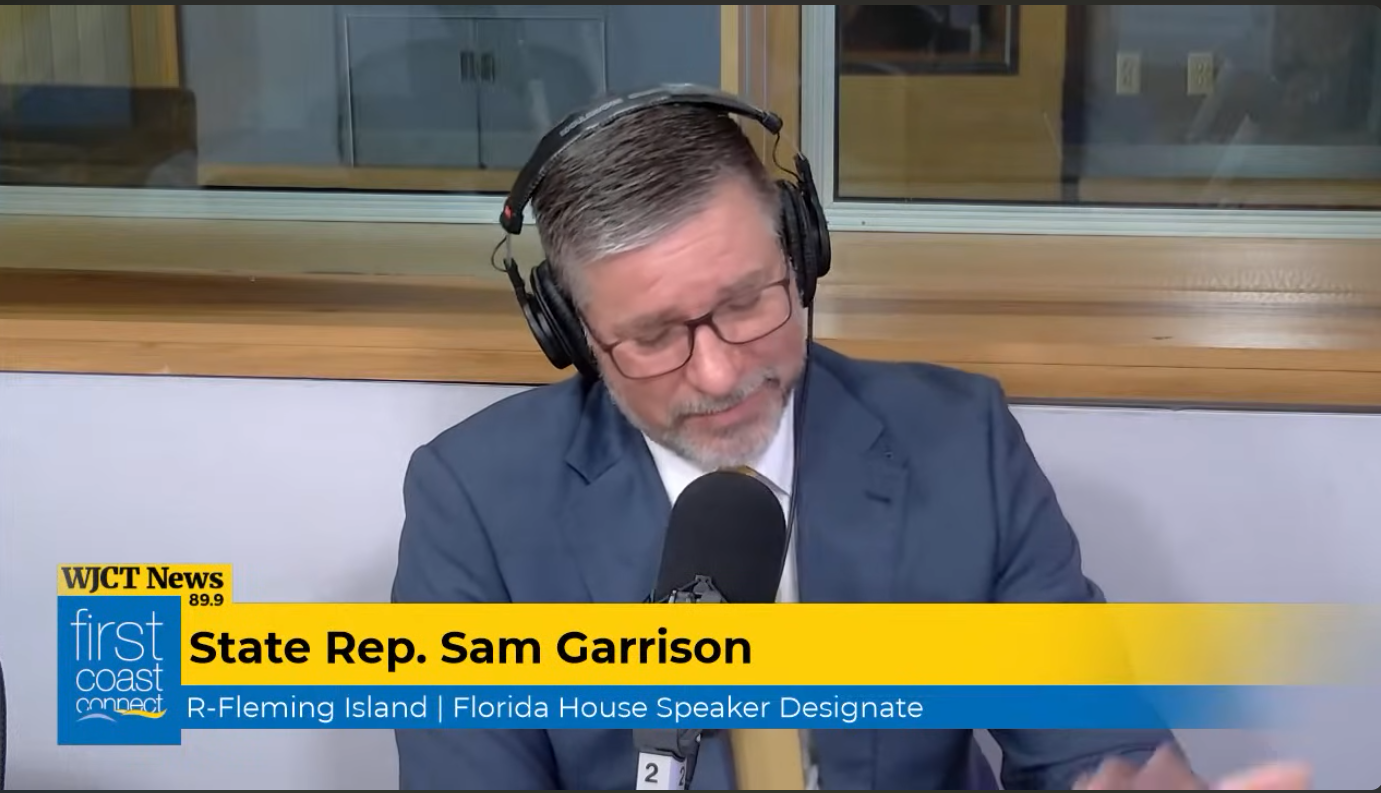
House Speaker-designate Sam Garrison has indicated that artificial intelligence (AI) is poised to be a dominant issue in next year’s Legislative Session, fostering atypical alliances in response to Governor Ron DeSantis’s push for regulatory measures. Speaking on “First Coast Connect,” Garrison noted, “I think this year, outside of property tax, I think AI policy is going to be probably the biggest area of tension that we’re going to see because it doesn’t fall on traditional partisan lines. You can have very conservative Republicans and very liberal Democrats who might find common cause.”
DeSantis has unveiled a proposal for a “far-reaching artificial intelligence bill of rights” aimed at addressing concerns he has labeled as part of an “age of darkness and deceit.” The governor cites issues such as deepfakes, the erosion of parental controls, foreign influence, data security, and the reliance of insurance companies on AI technologies as areas necessitating legislative intervention.
Garrison supports regulatory measures for data centers but emphasizes the need to respect private property rights. He stated, “If you’re going to have a data center, it has got to be extraordinarily regulated to make sure that you’re not adversely impacting the quality of life for Floridians.” He expressed a nuanced view on development, saying, “I’m not a big proponent of telling people what they can and can’t do on their land,” while underscoring the importance of community safeguards regarding issues like electricity and water use.
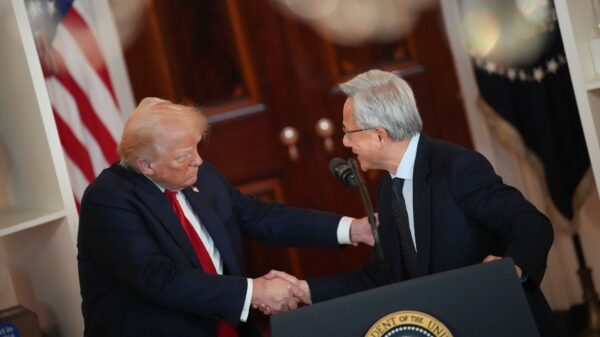
Florida’s legislative activity surrounding AI is advancing despite former President Donald Trump advocating for national standards in AI governance. DeSantis has dismissed concerns about a recent executive order from Trump, asserting that it “doesn’t/can’t preempt state legislative action.”
In this context, Republican Senator Tom Leek has introduced SB 482, legislation that would prohibit governmental agencies from contracting with AI companies that are controlled, owned, or governed by nations deemed concerning. The bill also proposes restrictions on children’s interactions with chatbots, requiring parental authorization for any communication, and mandates that chatbots disclose their artificial intelligence status. Programmers would also be obligated to prevent access to adult content by minors.
The proposed measure further aims to establish rights that include notifying users when they are engaging with AI rather than a human and ensuring the protection of personal and biometric data from unauthorized exposure. Additionally, it seeks to ban the use of AI in appropriating individuals’ names, images, and likenesses for commercial purposes without consent, as well as in cases of fraud, identity theft, and cyberbullying.
While Senator Leek’s bill appears to align with the governor’s objectives, a counterpart in the House has yet to be introduced. As discussions around AI regulation continue, the potential for bipartisan cooperation may reshape the legislative landscape in Florida.
See also China Enacts AI Regulations to Safeguard Children from Harmful Content
 Trump Challenges Select State AI Laws Amid Limited Legal Options for Success
 Ohio Announces Model AI Policy for Education; Districts Required to Adopt by 2026
 Pennsylvania’s AI Regulation Bill Advances with Key Stakeholder Insights
 Brazil Achieves Major Outcomes in BRICS Chairmanship, Tackles AI Regulation and Climate Financing