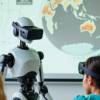
























































The ongoing transformation of the workforce is prompting organizations to rethink leadership dynamics, team structures, and employee expectations, particularly as advancements in technology, including artificial intelligence (AI), reshape job design. This shift, highlighted in recent reports, emphasizes the need for companies to adapt to the evolving landscape of work, which is increasingly influenced by technology.
According to insights from Sedgwick, a leading global provider of technology-enabled risk, benefits, and integrated services, the integration of tech tools into daily operations is altering how employees engage with their roles and teams. The report suggests that organizations must reconsider their leadership expectations, focusing more on people skills and career mobility opportunities. As AI and other technologies take a more central role in the workplace, the traditional hierarchies and structures may no longer align with the needs and aspirations of today’s workforce.
As organizations navigate this transformation, new expectations are emerging around mentorship and employee development. The infusion of technology into work processes is pushing companies to rethink how they approach career development, emphasizing the importance of agility and adaptability among leaders. “The landscape of work is changing, and leaders must be equipped to guide their teams through these transitions effectively,” Sedgwick stated, underscoring the necessity for skillful management in a tech-driven environment.
The report further indicates that as job designs evolve through technological integration, employees are seeking more than just traditional career trajectories. There is a growing demand for flexibility and opportunities for skill enhancement. This shift is particularly relevant in sectors where AI is increasingly being deployed to optimize operations and enhance productivity. The call for enhanced leadership skills reflects a broader shift towards a more collaborative and inclusive workplace culture.
In light of these changes, organizations are also being encouraged to invest in technology that supports team collaboration and communication. The rise of remote work and hybrid models has necessitated tools that facilitate seamless interactions among employees, regardless of their physical locations. By fostering an environment where technology enhances rather than hinders teamwork, companies can better meet the evolving expectations of their workforce.
This holistic approach to workforce transformation, driven by the intersection of talent, leadership, and technology, is not merely a response to current pressures but represents a strategic overhaul for future readiness. As companies adapt, they are likely to see a positive impact on employee engagement and retention, key factors in maintaining a competitive edge in a rapidly changing marketplace.
The implications of these findings are significant, as organizations that embrace this transformation are likely to emerge as leaders in their respective industries. By prioritizing the development of leadership capabilities and fostering a culture of continuous learning, companies can better align with the aspirations of their workforce. As the landscape of work continues to evolve, balancing technological advancements with human-centric approaches will be critical to achieving long-term success.
See also Missouri Lawmakers Announce AI Regulation Bills Ahead of January 7 Session
 Europe’s Far-Right Parties Leverage Unlabelled AI to Secure 37 MEP Seats Despite Ethics Violations
 Twelve AI Firms Release Updated Safety Policies Amid Growing Risk Concerns
 AI Safety Conclave Unveils Guidelines for Ethical AI Deployment in Critical Sectors
 New York Enacts RAISE Act Mandating AI Safety Reporting for Developers by 2027