




As the demand for data centers surges, U.S. states are racing to capture their business while managing the financial implications for consumers. Nearly 200 bills focused on data centers were introduced in state legislatures this year—nine times more than in 2024, according to an analysis from the Center on Global Energy Policy at Columbia University and Carbon Direct, a carbon management firm. More than a dozen of these bills became law, often providing tax breaks for data centers or requiring them to pay for necessary upgrades to the power grid.
“We’ve barely scratched the surface on this new world of data center and energy use policy,” said Rory Jacobson, head of policy for Carbon Direct. He predicts continued legislative action in the coming year, particularly in light of an executive order from former President Donald Trump that exempts data centers from certain state regulations affecting AI compute and infrastructure.
The evolving landscape of data center legislation reflects broader national concerns about affordability. Rising costs in essential areas such as groceries, insurance, and utilities have propelled affordability to the forefront of American politics. Bipartisan support for ratepayer protections is evident, as both Republican and Democratic lawmakers seek to alleviate financial pressures on consumers.
Federal scrutiny of the impact of data centers on residential utility bills is also intensifying. Recently, Democratic Senators Elizabeth Warren, Chris Van Hollen, and Richard Blumenthal launched an investigation into the energy practices of seven major players in the data center market, including Google, Microsoft, Amazon, and Meta.
A study from the Lawrence Berkeley National Laboratory indicated that data centers may have helped lower average retail electricity prices in recent years by spreading the costs of grid upgrades across a larger customer base. However, forecasts suggest that the energy demands from data centers will skyrocket in the near future, potentially reversing this trend. In the PJM Interconnection region, a marked increase in power prices has already been associated with the growing presence of data centers.
In response, states are taking proactive measures to manage costs. California, New Jersey, Oregon, and Minnesota—alongside Republican-controlled states like Texas and Utah—have enacted laws aimed at protecting ratepayers. Oregon and Minnesota, for instance, have directed state energy regulators to establish separate tariff rates for large power users to ensure they cover the full costs of electricity and related services.
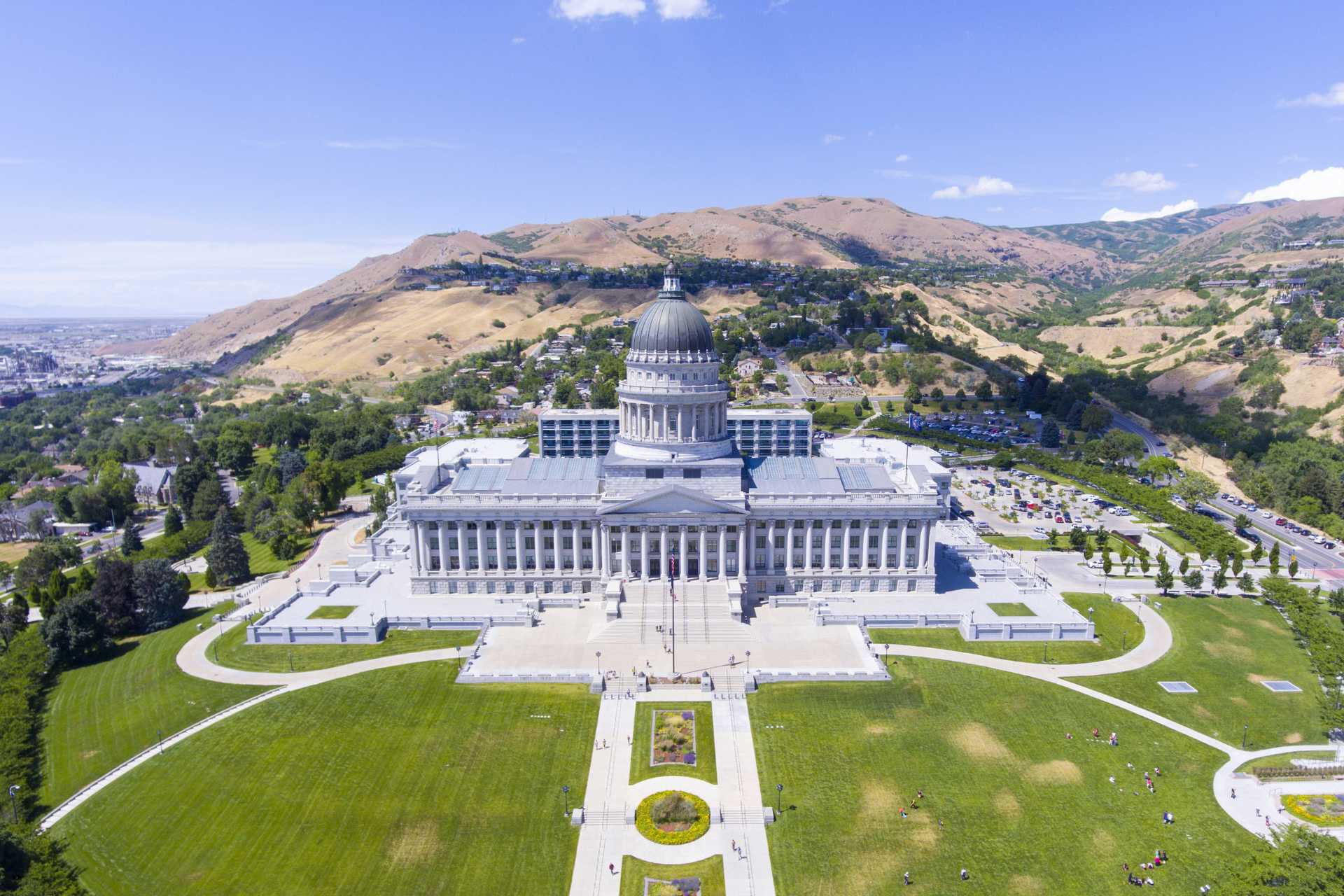
Notably, Utah has created pathways for data centers to secure energy, allowing them to source their own power if they cover the costs of infrastructure upgrades. Utilities in the state are now required to assess the impact of large energy requests within 90 days to determine if they can meet the demand without significant investment. If not, data centers can seek alternative energy supplies.
Most of the new legislation benefiting data centers has emerged from Republican-led states, focusing on tax incentives and favorable zoning laws. States like Arkansas, Kansas, and Kentucky have extended sales tax exemptions for data centers, while Indiana and West Virginia have implemented expedited permitting processes for construction. On the other hand, Democratic-led states have been more focused on environmental implications, such as limiting water use for large-scale data centers. In Minnesota, new regulations prevent utilities from delaying the state’s carbon-free energy goal to accommodate data centers, while also establishing stricter review processes for projects using over 100 million gallons of water annually.
As data centers become increasingly integral to the economy, their water consumption has raised alarms. For example, Google was reported to have used approximately 355 million gallons across multiple facilities, revealing the substantial environmental footprint of these operations. The company is currently investing $28.5 million to enhance local water infrastructure for communities impacted by their needs.
In the coming years, how states navigate the complexities of energy demand from data centers will be crucial not only for economic growth but also for ensuring that consumers are shielded from rising utility costs. The intersection of technology, energy, and consumer protection will continue to shape legislative agendas as lawmakers strive to balance competing interests.
See also Dr. Adaeze Oreh Transforms Rivers State Healthcare with $5.1M Funding, 134% Contraceptive Visit Increase
 MHRA Launches Call for Evidence on AI Regulation Amid Healthcare Transformation
 Trump Announces AI Executive Order to Ensure US Global Dominance and Minimize State Regulations
 AI Use in Employment Decision-Making Surges to 80% Amid Legal Risks and Compliance Concerns
 ISACA Reveals Key AI Governance Lessons from 2025 to Enhance Safety and Trust in 2026