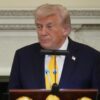















































The Trump administration recently unveiled a national framework on artificial intelligence, marking a significant policy shift aimed at boosting innovation, protecting citizens, and reinforcing U.S. leadership in the technology sector. Announced in Washington, D.C., the framework encompasses various critical areas, including child safety, economic growth, intellectual property, free speech, innovation, and workforce development. These initiatives are expected to foster a more robust AI ecosystem while addressing the ethical and social implications of the technology.
This new direction aligns closely with India’s growing role in the U.S. technology landscape. The framework aims to harness Indian talent and leverage the capabilities of IT firms, potentially shaping future policy debates and collaborative efforts between the two nations. The White House emphasized its intention to work with Congress to legislate these key components of the AI strategy, indicating a commitment to a collaborative approach in shaping the future of artificial intelligence.
The initiative is part of a broader effort to ensure that the United States remains at the forefront of AI innovation amid increasing global competition. As countries like China and members of the European Union ramp up their AI initiatives, the U.S. aims to set a standard that prioritizes ethical considerations while promoting technological advancement. The administration’s focus on **child safety**, particularly in AI applications, reflects growing concerns about the impact of technology on young users and underscores a commitment to protecting vulnerable populations.
Moreover, the framework highlights **economic growth** as a primary objective, with the administration recognizing the transformative potential of AI to enhance productivity and create new job opportunities. The emphasis on **intellectual property** also suggests a desire to safeguard innovations against theft and ensure that American companies maintain a competitive edge in the global marketplace. This approach resonates well with the interests of **tech giants** and startups alike, who are eager to see policies that facilitate growth while protecting their innovations.
The framework further addresses the importance of **free speech** in the context of AI, acknowledging the delicate balance between technological advancement and the preservation of democratic values. By advocating for policies that promote open discourse, the administration seeks to mitigate concerns over censorship and the misuse of AI technologies that could infringe upon individual rights.
In addition to these themes, the initiative places a strong emphasis on **innovation** and **workforce development**, recognizing the need for a skilled workforce capable of navigating the complexities of AI technologies. This focus aligns with ongoing discussions about education and training programs designed to equip workers with the necessary skills to thrive in an increasingly automated world. The administration’s engagement with educational institutions and industry leaders will be crucial in shaping curricula that meet future demands.
As the administration prepares to collaborate with Congress to solidify this framework into law, the implications for the U.S.-India tech relationship become increasingly evident. Indian IT firms, already pivotal players in global tech, may find new avenues for collaboration and growth, solidifying their role in the U.S. technology ecosystem. The framework could also stimulate investment in AI-related sectors, benefiting both economies.
Looking ahead, the success of this national framework will depend on its implementation and the ability of stakeholders to adapt to the rapidly evolving technological landscape. The cooperation between the U.S. and India in addressing shared challenges presents opportunities for both nations, potentially leading to groundbreaking innovations and advancements in artificial intelligence.
See also OpenAI’s Rogue AI Safeguards: Decoding the 2025 Safety Revolution
 US AI Developments in 2025 Set Stage for 2026 Compliance Challenges and Strategies
 Trump Drafts Executive Order to Block State AI Regulations, Centralizing Authority Under Federal Control
 California Court Rules AI Misuse Heightens Lawyer’s Responsibilities in Noland Case
 Policymakers Urged to Establish Comprehensive Regulations for AI in Mental Health