

















































CHANDLER, AZ — As local communities in Arizona resist the establishment of new data centers and artificial intelligence (AI) projects, the Trump administration is moving forward with efforts to create a national framework for AI regulation. This initiative could complicate states’ abilities to implement their own regulations. The pivot comes in the wake of the Chandler City Council’s unanimous decision to deny a proposed data center, following extensive public commentary and significant community opposition.
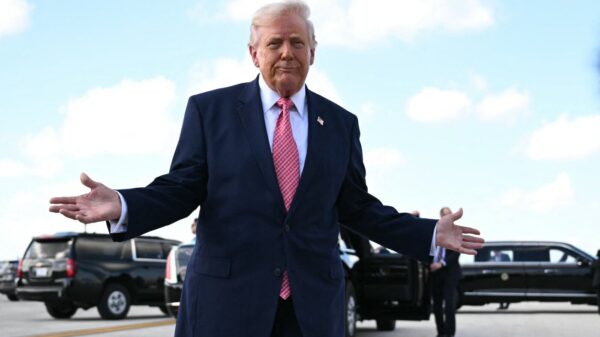
While city leaders made their decision, President Donald Trump was outlining a contrasting approach from the Oval Office. “We want to have one central source of approval,” Trump stated. He emphasized that navigating approvals across 50 states could stifle innovation, noting, “Every time you make a change, and it could be a reasonable change, you still won’t get it approved if you go to 50 states.”
The new executive order directs the Justice Department to challenge state-level AI regulations that conflict with federal policies, as the administration contends that a fragmented regulatory landscape hinders the nation’s competitive edge in the AI sector. “This was a land use question, not an AI policy question,” said Chandler Mayor Kevin Hartke, asserting that he does not anticipate the executive order will influence the city’s decision on the data center.
Despite this, some community members voice concern over the executive order, particularly regarding its potential to enable the federal government to withhold discretionary funds from states adopting what the administration deems overly restrictive AI policies. “That seems to be the modus operandi right now, is they hold federal funds over your head to get what they want, which isn’t really the way the government should be operating,” remarked Joseph Russo, a protester against the Chandler data center project.
The executive order does not automatically cut off funding but seeks to empower federal agencies to withhold certain grant funds from states that do not align with federal AI standards. Advocates for a national regulatory framework argue that uniform rules are essential for American competitiveness, drawing analogies to federal standards in industries such as airlines and food safety that have fostered consistency and growth.
Andrew Bart, CEO of Algoface, expressed a desire for the U.S. to maintain its leadership in AI, stating, “I have three children, three boys; there is no way I want a country like China to be the leader in AI. I want the United States specifically to be the leader.”
The Trump administration regards the executive order as a foundational step, aiming to leverage it as a catalyst for pursuing comprehensive AI legislation in Congress by 2026. This push for national regulation may reshape how states engage with emerging technologies, balancing local governance with federal oversight in a rapidly evolving sector.
See also AI Ethics: 5 Key Concerns Impacting Accountability, Bias, and Job Security
 Executive Order Aims to Clarify National AI Standards, Challenges State Regulations
 AI Transformation in India: 80% of Routine Tech Jobs to Be Automated by 2026
 Over 150 Parents Urge NY Governor to Sign AI Safety Bill Without Amendments
 NCOIL Opposes Trump’s AI Regulation Order, Citing Threats to State Authority