

















































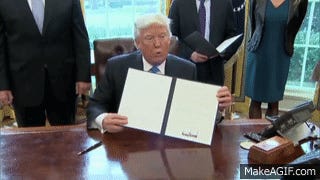
The ongoing conflict over artificial intelligence (AI) regulation in the United States is intensifying as state governments push back against a new executive order from the Trump administration. Announced on December 11, 2025, the order seeks to limit state-level AI laws, positioning the federal government to exert greater control over AI development and usage nationwide. As the nation prepares for 2026, the implications of this regulatory struggle become increasingly significant, affecting not only the technology landscape but also the balance of power between state and federal authorities.
President Trump’s executive order aims to preempt state-level AI regulations by threatening to withhold federal funding from states that pursue their own legislative measures. This initiative is spearheaded by AI Czar David Sacks, who has vigorously defended the administration’s position. The order has sparked immediate backlash, with both Democratic and Republican state leaders indicating that they will continue to advance their own AI regulations, regardless of federal directives.
Axios highlights the defiance among state lawmakers, stating, “States are forging ahead with AI laws despite President Trump’s new executive order aimed at reining them in.” This situation raises concerns about potential legal battles that could ensue, further complicating the already fragmented landscape of U.S. AI regulation. The executive order appears set to create a contentious environment, particularly as Congress remains largely silent on the matter.
California state Senator Scott Wiener, a proponent of SB 53, a state AI bill signed into law earlier this year, expressed skepticism about the White House’s authority to undermine state rights. “It’s absurd for Trump to think he can weaponize the DOJ and Commerce to undermine those state rights,” he stated, indicating a readiness to challenge federal overreach in court. New York Assemblymember Alex Bores echoed these sentiments, arguing that Trump’s order risks fostering “out-of-control AI development” without adequate oversight.
Interestingly, the push for state-level regulation is not restricted to traditionally Democratic regions. Republican governors are also laying groundwork for their own AI frameworks, with Florida’s Ron DeSantis proposing an AI Bill of Rights aimed at ensuring data privacy and consumer protection. He has publicly criticized the administration’s efforts to block state regulations without presenting a coherent federal strategy.
Utah Governor Spencer Cox has also been vocal about the need for a state-based approach to AI regulation, advocating for measures that align with conservative values while safeguarding technological advancement. The contrast between federal and state initiatives emphasizes a growing divide that could lead to significant legal confrontations in the near future.
Critics of the executive order, including former Trump advisor Steve Bannon, are raising alarms over its feasibility. Bannon claims that David Sacks is misrepresenting the administration’s capacity to preempt state regulation, stressing that such matters are traditionally within Congress’s domain. Lawmakers from both parties, including Senator Maria Cantwell (D-Wash.) and Senator Marsha Blackburn (R-Tenn.), have called for a balanced national framework that addresses the complexities of AI regulation rather than relying solely on executive action.
The landscape is further complicated by the potential for litigation. Joseph Hoefer, chief AI officer at Monument Advocacy, predicts that as the Trump administration seeks to challenge state laws it deems onerous, states are likely to retaliate with lawsuits concerning the misuse of federal funding levers. “Everyone wants a clearer national framework, but the system will now have to work through agency actions, the legislative debate the EO calls for, and the inevitable round of litigation that follows,” Hoefer noted, emphasizing the prolonged uncertainty that lies ahead.
This regulatory tug-of-war underscores the critical need for a comprehensive approach to AI governance as the technology continues to evolve. While states forge ahead with their own initiatives, the federal government remains entangled in a web of legal and political challenges. As the 250th anniversary of the United States approaches, the outcome of this battle over AI regulation may set important precedents for the future of governance in an increasingly digital world.
See also Trump Signs AI Executive Order to Centralize Regulation Amid Industry Debate
 QUALCOMM Introduces Governance Changes Amid AI Chip Expansion, Boosting Investor Influence
 Trump Administration Unveils Federal AI Regulations, Challenging Arizona’s Local Authority
 AI Ethics: 5 Key Concerns Impacting Accountability, Bias, and Job Security
 Executive Order Aims to Clarify National AI Standards, Challenges State Regulations