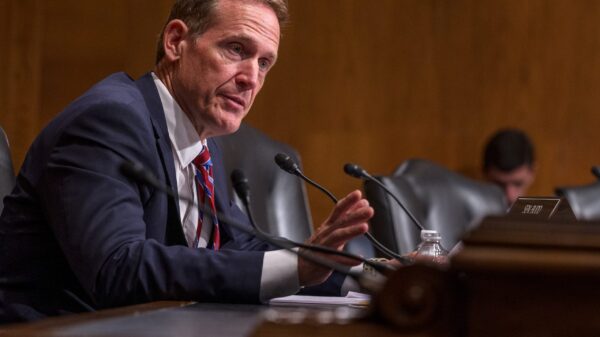


























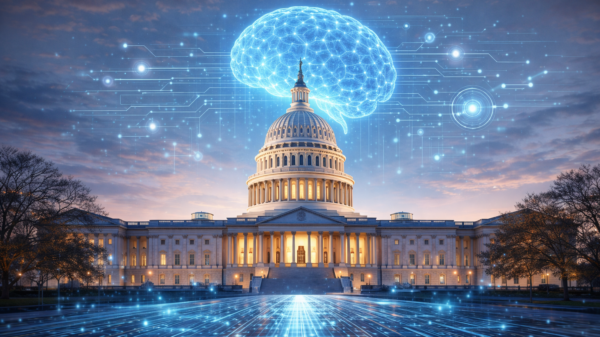










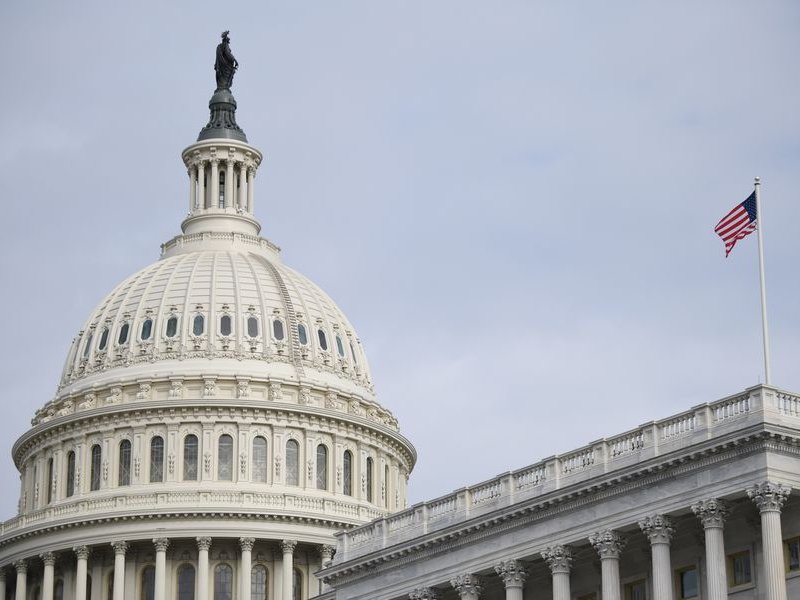
Washington, Feb 4 (IANS) — Top US lawmakers have expressed concerns regarding the integration of artificial intelligence (AI) in workplaces, emphasizing the need for transparency and human oversight as businesses expand their use of these technologies. During a House hearing titled “Building an AI-Ready America: Adopting AI at Work” on Tuesday, legislators questioned whether existing labor laws and data systems are sufficient to keep pace with the rapid deployment of AI tools.
Congressman Rick W. Allen, the chairman of the panel, noted that AI “is no longer science fiction” and is actively transforming various industries. He underscored the necessity for Congress to protect workers while facilitating innovation and growth. Allen stressed that policymakers require better data to understand how AI is affecting work dynamics, asserting that federal agencies must track these changes to inform sound policy decisions.
Rep. Mark DeSaulnier, the leading Democrat on the panel, highlighted the tangible risks associated with AI, citing instances where employers utilize AI to monitor employee activities and suppress organizing efforts. He referred to tools capable of tracking bathroom breaks and screen activity, warning that such practices jeopardize worker privacy. The discussion underscored the potential for AI to exacerbate existing inequalities in the workplace.
Bradford Kelley, a labor and employment attorney, urged caution regarding the haste to implement new regulations. He cautioned that poorly constructed laws could stifle innovation and undermine US competitiveness, claiming that most abuses are already covered under existing legislation. Moreover, Kelley pointed out the confusion arising from conflicting state laws.
Labor economist Revana Sharfuddin raised a critical point regarding the current data landscape, stating that federal statistics primarily count jobs rather than the specific tasks being automated. She explained that while AI often enhances parts of a job, it does not necessarily eliminate the entire role. “The job still exists,” she said, “but the work has changed,” advocating for more relevant surveys to effectively assess how workers engage with AI technologies.
Tanya Goldman, a former worker protection official, discussed the immediate harm being caused by AI-driven systems that influence wages, schedules, and performance evaluations. She warned that these algorithms can perpetuate bias and impose unsafe work speeds, emphasizing the detrimental impact of constant surveillance on employee rights. Goldman called for enhanced enforcement of existing laws and the introduction of new safeguards tailored to AI, including requirements for disclosure, human oversight on critical decisions, and bias testing. She also suggested that states should have the autonomy to implement stricter regulations.
David Walton, a management-side attorney, noted the surge in AI applications across hiring, safety, and compliance sectors. He mentioned that many employers are establishing internal controls, such as bias testing and ensuring human involvement in significant decisions, which can both protect workers and enhance organizational efficiency. Walton highlighted the importance of clear communication with employees about AI systems, asserting that without their support, workers may seek ways to circumvent these technologies. Early feedback and involvement from employees are crucial, he added.
Democrats at the hearing raised concerns over the lack of resources within enforcement agencies, arguing that these bodies require additional staff and technical expertise to effectively evaluate complex AI systems. As the hearing concluded, there was a notable consensus among lawmakers on the necessity for improved data collection. Allen reiterated that policy must be guided by evidence to benefit both workers and employers.
See also EU AI Act Guidance Delay Fuels Compliance Uncertainty for High-Risk AI Systems
 Black Duck Reveals BSIMM16: AI Drives 10% Rise in Application Security Innovations
 Cynomi Expands NIS 2 Coverage for MSPs in Croatia and Belgium Amid Rising AI Governance Demand
 Smart Communications Launches AI Tools to Enhance Compliance and Customer Experience