









































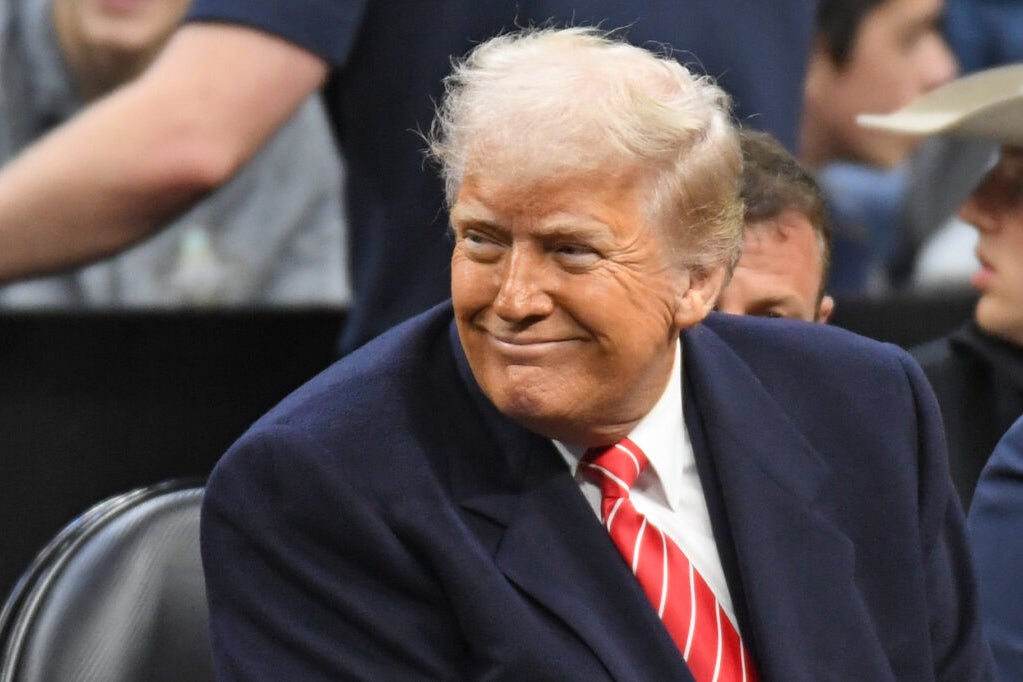
The White House is set to unveil an executive order as early as this Friday that aims to prohibit states from establishing their own regulations surrounding artificial intelligence (AI). This move is part of a broader strategy by federal policymakers to assert national authority over AI governance and preempt state-level initiatives.
Among the most vocal proponents of state oversight is Florida Governor Ron DeSantis (R-Fla.), who has described AI as one of the most pressing issues facing society today. According to reports from Politico, he has recently dismissed the notion of Congress restricting states from regulating AI, labeling it “not acceptable.”
State-Level Concerns Amid Federal Action
The forthcoming executive order appears set to curtail Florida and other states’ ability to advance their own AI-related policy proposals before these can be rolled out. DeSantis firmly believes that this federal overreach could hinder states’ capacities to safeguard against issues such as online censorship of political speech, predatory applications targeting children, violations of intellectual property rights, and unauthorized data breaches involving vital resources like power and water.
In December, Florida House leaders plan to host an “AI Week” to delve into the implications of AI policies on education and healthcare. House Speaker Daniel Perez has cautioned that the initial legislative decisions made could carry “serious long-term consequences.”
Balancing Innovation and Regulation
The tech industry, along with some Republican voices, favors a centralized approach to AI governance, arguing that a patchwork of 50 different state laws could stifle innovation and complicate compliance for companies operating across multiple jurisdictions. However, DeSantis and others contend that taking away states’ authority would impede their ability to enact protective measures.
Critics of the proposed federal control have raised “good questions,” according to DeSantis, who has yet to publicly respond directly to the draft executive order. At a recent Florida Rural Economic Development Summit, he reiterated his concerns regarding AI’s potential to displace workers and create widespread disruption in various sectors.
As discussions escalate around the balance between federal and state control, the outcomes of this impending executive order could significantly influence the trajectory of AI regulation in the United States. Stakeholders across various industries will be closely monitoring these developments, as the implications for innovation, ethical considerations, and regulatory frameworks could be profound.
With the stage set for a national discussion on the future of AI governance, the interplay between federal authority and state-level initiatives will likely shape the landscape of AI policy in the months ahead. The ongoing debate raises critical questions about who is best positioned to regulate an evolving technological frontier that holds immense potential but also poses significant challenges.
See also Samsara Reveals New AI Fleet Solutions, Sees 32% ARR Growth Amid Valuation Questions
 Trump Administration Proposes Federal AI Regulation Amid Delayed Executive Order
 EU AI Act Launches Comprehensive Regulations, Targeting High-Risk AI by 2026
 Trump Administration Halts State AI Law Preemption Amid Legal and Political Challenges
 Nigeria Calls for Global Minerals Equity and AI Ethical Standards at G20 Summit