









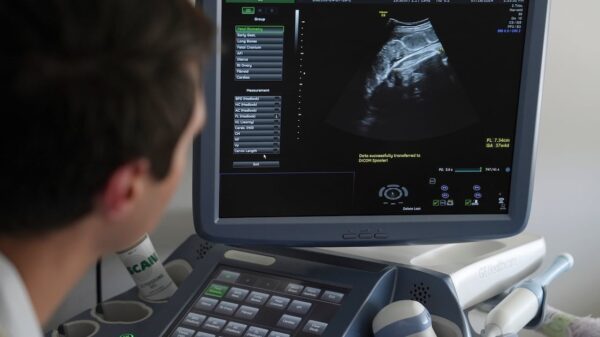










































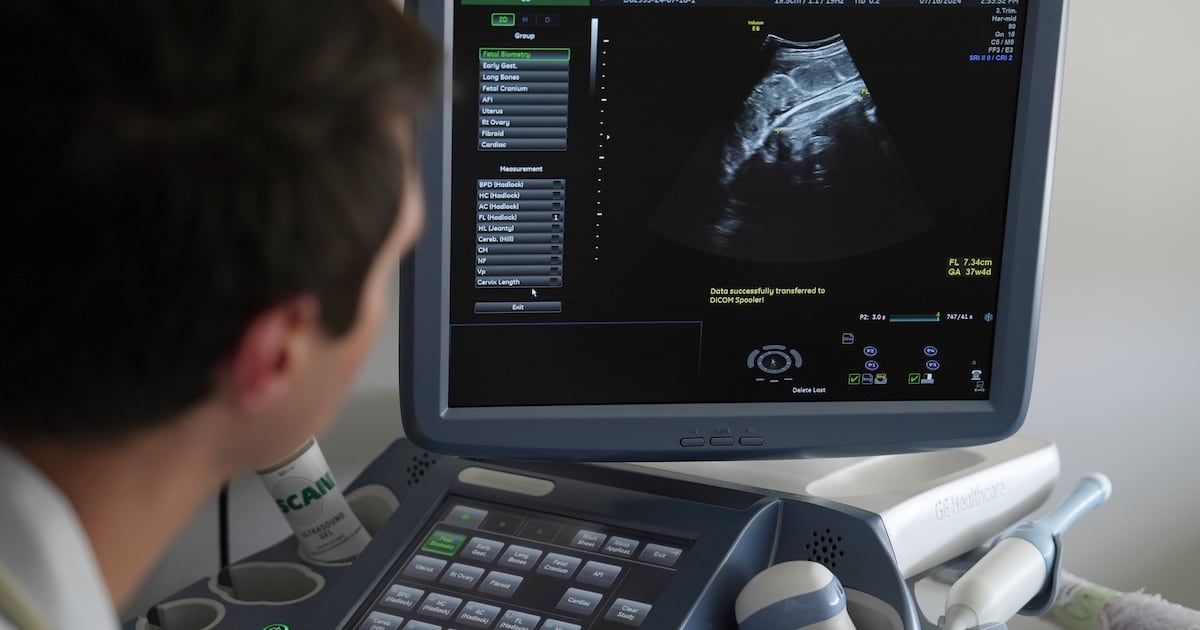
An AI-powered app designed to expedite the diagnosis of endometriosis is currently under development in Toronto. This innovative tool, named DANA, aims to address the significant delays—often ranging from five to ten years—for women seeking a diagnosis for this prevalent gynecological condition. Endometriosis occurs when tissue similar to the endometrium, which normally lines the uterus, grows abnormally in other areas of the body. The condition can lead to debilitating symptoms such as severe cramps, chronic pelvic pain, and heavy bleeding, significantly affecting daily life.
Roughly one million people in Canada are affected by endometriosis, yet the complexity of identifying the disease contributes to long diagnostic delays. Dr. Nucelio Lemos, a gynecologic surgeon at Mount Sinai Hospital and one of the app’s creators, emphasized that the aim of DANA is to connect patients with the appropriate specialists sooner. “The goal of DANA is to develop a tool that will actually talk to the patients and try to put them in front of the right specialist on the first or second attempt,” he stated in an interview with CTVNews.ca.
One challenge in diagnosing endometriosis is that it can mimic over 150 other conditions that also cause chronic pelvic pain, leading many healthcare providers to misdiagnose it as other ailments. This phenomenon has resulted in the term “missed disease” being used to describe endometriosis, as women often find themselves navigating a maze of referrals and tests while suffering through the pain.
To mitigate this issue, the DANA app will utilize more than a decade’s worth of anonymized clinical data from Women’s College Hospital and Mount Sinai Hospital. This data includes real-world patient histories, imaging reports, and treatment outcomes. The app will feature a chatbot capable of engaging in an interview-style conversation to analyze a patient’s symptoms, identify patterns, and predict the likelihood of endometriosis and other chronic pelvic pain conditions. Patients will receive a personalized summary that they can use to request a referral from their primary care provider, potentially reducing the number of specialists consulted from upwards of 14 to just a few.
Another significant barrier to timely diagnosis is the societal perception of menstrual health, which often leads to symptoms being minimized or dismissed. Dr. Dafna Sussman, an associate professor at Toronto Metropolitan University and a scientist at St. Michael’s Hospital, noted that menstrual pain was historically viewed as a normal part of womanhood. “Many people just believed that endometriosis symptoms were not medically significant because it was so part of the culture,” she explained. This stigma not only delays treatment but can also lead to psychological effects such as anxiety and depression, making women hesitant to seek further help.
Dr. Jonathon Solnik, head of gynecology at Mount Sinai Hospital, pointed to the shortage of specialized OBGYNs in Canada as another contributing factor to the diagnostic delay. With approximately 3,200 obstetricians and gynecologists in the country, the number of specialists trained to manage endometriosis is notably low. “Endometriosis is really becoming a specialty within itself,” he remarked, indicating that many patients are forced to travel long distances to receive the appropriate care.
Addressing these systemic issues is critical. Dr. Nicholas A. Leyland, president-elect of the Society of Obstetricians and Gynecologists of Canada, highlighted the need for improved funding and education in women’s health. He pointed to Bill S-243, introduced in December 2025, which aims to establish a national framework for women’s health and address historical inequities in healthcare research and treatment.
As the DANA app nears completion, it is expected to be available to clinicians and patients in Canada within five years. The developers see it as an empowerment tool—one that could significantly reduce the time and resources needed for a diagnosis while improving overall care for women suffering from endometriosis. “The more people are engaged with their own health care, the better,” Solnik noted, emphasizing the app’s potential to reshape women’s health services in Canada.
See also AI Study Reveals Generated Faces Indistinguishable from Real Photos, Erodes Trust in Visual Media
 Gen AI Revolutionizes Market Research, Transforming $140B Industry Dynamics
 Researchers Unlock Light-Based AI Operations for Significant Energy Efficiency Gains
 Tempus AI Reports $334M Earnings Surge, Unveils Lymphoma Research Partnership
 Iaroslav Argunov Reveals Big Data Methodology Boosting Construction Profits by Billions