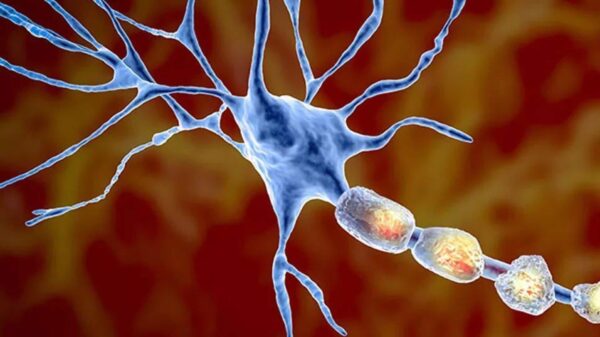


















































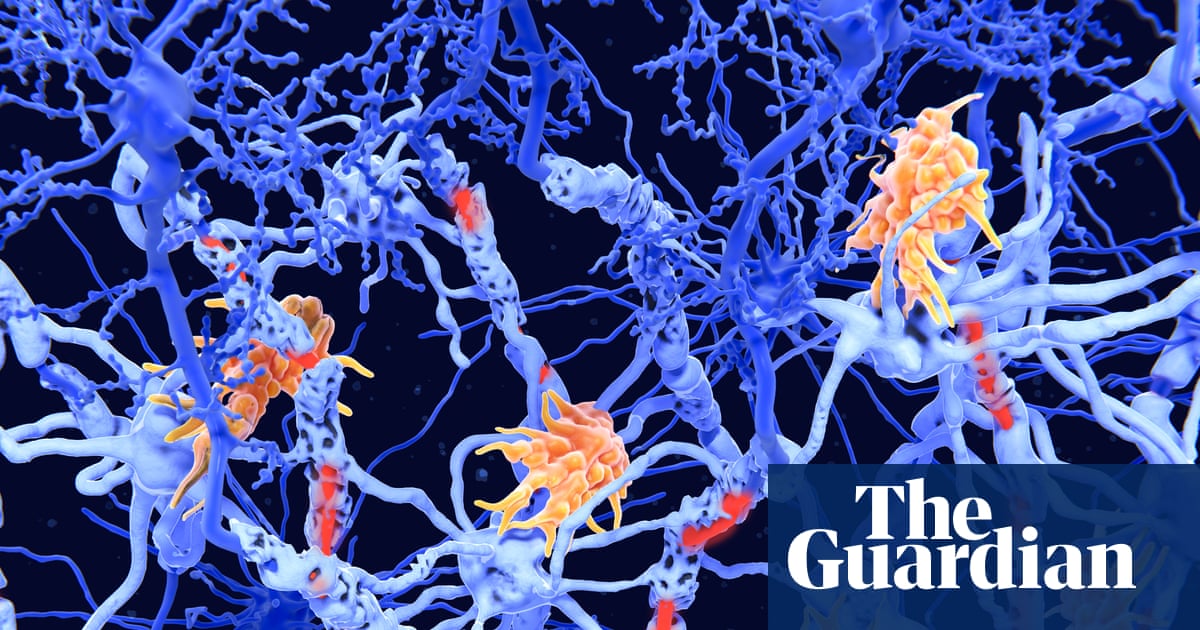
Scientists have identified two new subtypes of multiple sclerosis (MS) using artificial intelligence, a development that could significantly enhance treatment personalization and improve patient outcomes. This breakthrough, stemming from research conducted by University College London (UCL) and Queen Square Analytics, involved 600 patients and was published in the medical journal Brain.
Globally, millions are affected by MS, a condition typically treated according to symptoms rather than the underlying biological mechanisms. Many treatments may not effectively target the disease due to this approach. The recent study utilized a simple blood test to measure levels of a protein known as serum neurofilament light chain (sNfL), which indicates nerve cell damage and disease activity, in conjunction with MRI scans.
The research employed a machine learning model named SuStaIn to analyze the collected data. It revealed two distinct biological types of MS: early sNfL and late sNfL. The first subtype is characterized by high sNfL levels at the onset of the disease, accompanied by rapid development of brain lesions, particularly in the corpus callosum, suggesting a more aggressive form of MS. In contrast, the late sNfL subtype shows early brain shrinkage in areas such as the limbic cortex and deep grey matter before sNfL levels rise, indicating a slower progression.
Dr. Arman Eshaghi, the study’s lead author from UCL, emphasized that “MS is not one disease,” pointing out that existing classifications fail to capture the underlying biological changes essential for effective treatment. He stated that the combination of AI and accessible biomarkers like sNfL represents a major advancement in understanding MS, allowing for more precise assessments of patient risk and the development of tailored treatment strategies.
The implications of these findings are substantial. For instance, patients identified as having early sNfL MS may qualify for more aggressive treatments and closer monitoring, while those with late sNfL might be directed toward therapies aimed at protecting neuronal health. “The novelties will therefore be twofold: to transform clinical and neurological examinations, which have not changed for centuries, with the aid of AI algorithms, and provide personalized treatments based on disease profile,” Eshaghi added.
Caitlin Astbury, a senior research communications manager at the MS Society, described the study as “an exciting development” that enhances the understanding of MS. She noted that while previous classifications relied heavily on clinical symptoms, this study highlights the potential for a more biologically grounded approach to MS categorization. “This research adds to growing evidence supporting a move away from the existing descriptors of MS and towards terms that reflect the underlying biology of the condition,” Astbury said.
With approximately 20 treatment options available for relapsing MS—and a few emerging for progressive forms—the need for more effective therapies is pressing, especially for patients with limited options. As Astbury remarked, “The more we learn about the condition, the more likely we will be able to find treatments that can stop disease progression.”
This study underscores a forward-looking shift towards a more nuanced understanding of MS, emphasizing the importance of biological markers in treatment decisions. The integration of AI into the diagnostic process could not only redefine the clinical landscape for MS but also pave the way for innovative therapeutic approaches that are better aligned with the unique biological profiles of individual patients.
See also Gujarat Launches IAIRO AI Research Body with Rs 300 Crore PPP Model at GIFT City
 AI-Based Digital Pathology Market to Reach $2.32 Billion by 2035, Growing at 8.7% CAGR
 I/O Fund Reveals Top Free AI Stock Insights for 2025 with 210% Cumulative Returns
 New Agentic System Enhances AI Decision-Making with Explainability and Accountability
 AI Integration in Peer Review Surges to 53% Amid Calls for Responsible Governance