













































In a transformative study published in the journal Discover Artificial Intelligence, researchers Yang and Li investigate how deep learning technologies can personalize entrepreneurship education in colleges and universities. This research highlights the growing necessity for educational frameworks that adapt to the evolving complexity of the business environment, as traditional models often fall short in addressing the diverse needs of aspiring entrepreneurs.
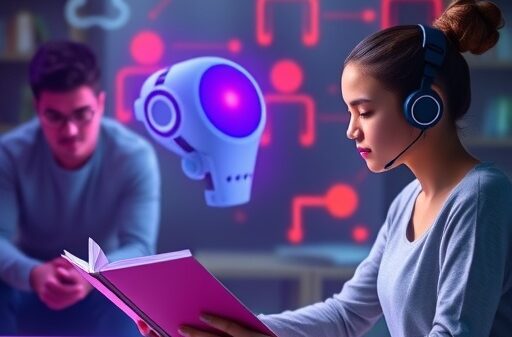
The authors argue that an adaptive curriculum is essential in reflecting the dynamic nature of entrepreneurship. Conventional educational approaches frequently adopt a one-size-fits-all strategy, which can alienate students with varying backgrounds and learning preferences. By integrating deep learning, educational institutions can analyze an array of student data—including learning styles and individual interests—to create a more customized educational experience. Such tailored approaches enhance student engagement and empower learners to take ownership of their educational journeys, ultimately fostering innovation and entrepreneurship.
Yang and Li delve into the mechanics of deep learning, discussing how algorithms can analyze vast quantities of data to identify trends and preferences among students. Techniques like neural networks simulate human-like learning processes, allowing educational content to adapt and refine continuously based on real-time feedback. This adaptability is crucial for preparing students to navigate the unpredictable challenges of entrepreneurship in a rapidly changing digital economy.
The study also emphasizes the role of big data in enriching the educational experience. By leveraging data from student interactions, assessments, and feedback, educational institutions can devise insight-driven strategies to enhance learning outcomes. This proactive approach represents a significant shift from static traditional models, allowing educators to timely intervene where students struggle or excel.
However, Yang and Li also address the ethical implications of integrating AI in educational settings. While the potential benefits of technology are substantial, issues surrounding data privacy and algorithmic bias remain prevalent. The authors advocate for a balanced approach that prioritizes transparency and ethical AI practices, ensuring that student rights and data integrity are not compromised as educators gain access to enhanced tools.
Another crucial aspect of the research is the call for interdisciplinary collaboration in developing effective personalized education models. Yang and Li suggest that insights from psychology, data science, and educational technology must converge to produce innovative solutions that address the multifaceted nature of entrepreneurship. This integrative approach would not only deepen the educational model but also ensure responsiveness to the ever-evolving entrepreneurial ecosystem.
The findings from the study indicate notable improvements in student engagement and performance when deep learning technologies are implemented in personalized entrepreneurship education models. Institutions that have begun to adopt these methodologies are reportedly witnessing a transformation in student motivation and creativity, marking a paradigm shift in entrepreneurship education. Students are evolving from passive recipients of knowledge into active participants who craft their own learning experiences.
Looking ahead, the implications of Yang and Li’s findings extend beyond academia. Enhanced educational models hold the potential to nurture successful entrepreneurs and contribute to broader societal advancements through innovation. Equipped with a personalized education that aligns with their unique aspirations and skills, students are positioned to become adaptable leaders capable of navigating complex entrepreneurial landscapes.
Nevertheless, the path toward widespread adoption of these advanced educational models encounters several hurdles. Yang and Li identify challenges such as institutional resistance to change, the need for faculty training, and the demand for funding and resources to support technological integration. Overcoming these challenges will require a concerted effort from educational leaders, policymakers, and stakeholders invested in the future of entrepreneurship education.
In summary, Yang and Li’s research presents a compelling vision for the future of personalized entrepreneurship education through deep learning. As educational institutions grapple with a shifting landscape, the insights from this study will likely stimulate discourse and inspire action among educators and innovators. This transition toward a responsive, data-driven approach marks a pivotal moment in the evolution of education, heralding a new era where students, equipped with tailored learning experiences, are poised to become the entrepreneurs of tomorrow.
As technology continues to evolve, maintaining a balance between innovative practices and ethical considerations will remain critical. Yang and Li’s contributions not only redefine pedagogical approaches within entrepreneurship education but also reframe the fundamental relationship between technology and learning.
See also Owkin Launches AI Agents for Drug Discovery, Enhancing Clinical Success Rates with Real Patient Data
 NVIDIA Expands BioNeMo Platform with $1B AI Lab Partnership for Drug Discovery Advances
 Alibaba’s AI Division Surges as Downloads Exceed 700M Amid Favorable Regulatory Shift
 Chalmers University Researchers Accelerate High Entropy Oxide Discovery with Active Learning