






















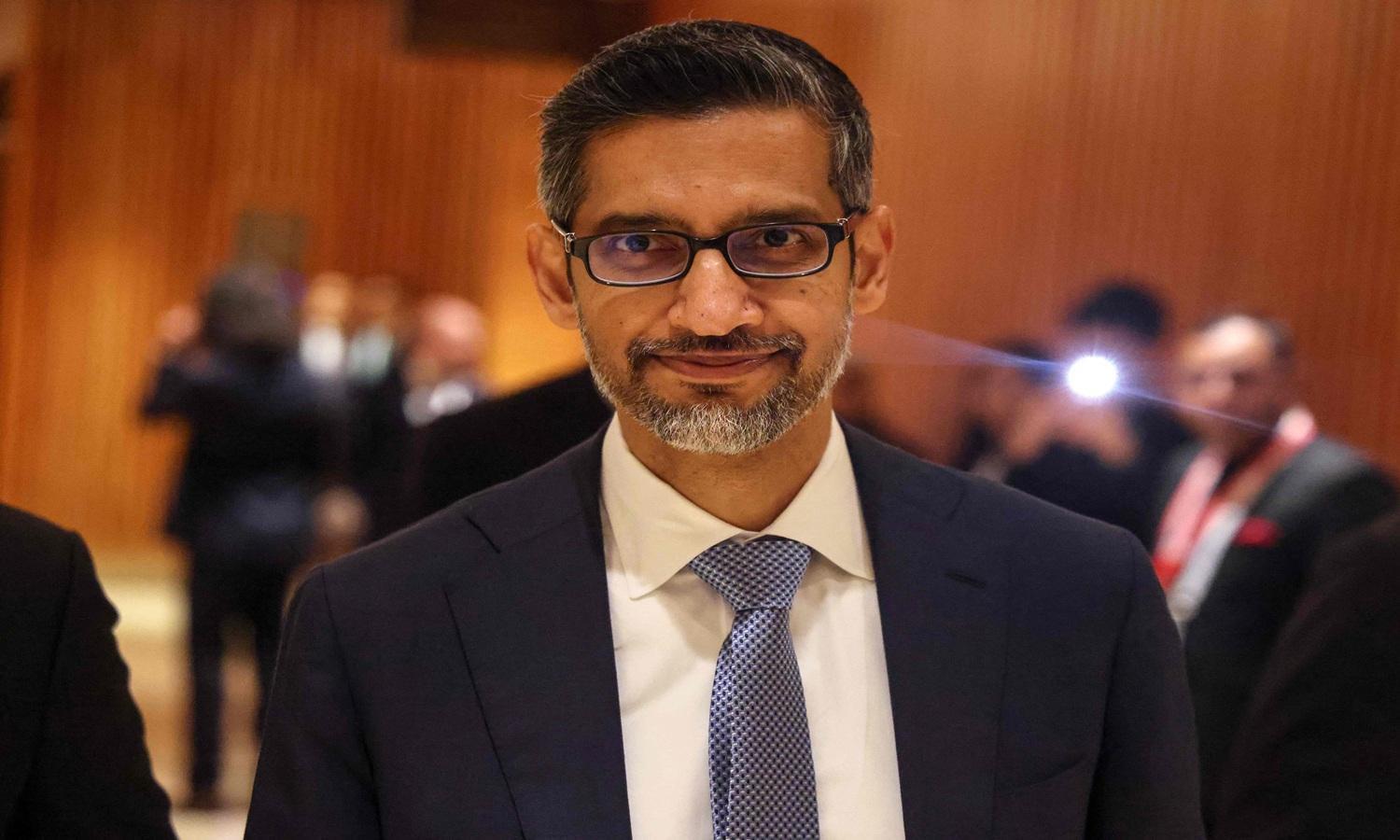
New Delhi: Google and Alphabet CEO Sundar Pichai described artificial intelligence (AI) as ushering in an era of “hyper progress” during the AI Impact Summit held on Thursday in New Delhi. Pichai emphasized the transformative potential of AI to facilitate new scientific discoveries and enable emerging economies to bypass traditional development stages. “No technology has made me dream bigger than AI,” he remarked, underscoring its significance across various sectors including science, education, and economic growth.
Pichai reiterated his earlier announcement regarding Google’s plan to establish four new subsea fibre optic cable systems linking India and the United States. He framed this initiative as a critical component of an extensive AI and digital infrastructure expansion. Calling AI the “biggest platform shift of our lifetimes,” he urged governments, companies, and institutions to embrace the technology with both boldness and responsibility. “The outcome is neither guaranteed nor automatic,” he observed, highlighting the importance of collective effort to ensure AI benefits everyone.
As part of a $15 billion infrastructure investment in India, Google is setting up a full-stack AI hub in Visakhapatnam, Andhra Pradesh. This facility will feature gigawatt-scale compute capacity alongside a new international subsea cable gateway, with the aim of expanding access to AI and creating jobs throughout the country. Pichai emphasized the need for equitable access to technology, warning against the digital divide evolving into an AI divide. “We cannot allow the digital divide to become an AI divide. That means investing in compute infrastructure and connectivity,” he stated, referencing investments in countries such as Thailand and Malaysia.
Google’s initiative includes a substantial network of subsea fibre optic cables, with the four new systems between the US and India being part of the America-India Connect initiative. Pichai highlighted the profound impact of AI on the workforce, indicating that it would automate certain roles, evolve others, and give rise to entirely new careers. He pointed out that 20 years ago, the concept of a professional YouTube creator was non-existent, yet today millions engage in that profession globally.
The deployment of AI spans various sectors, including healthcare and agriculture. Pichai noted partnerships in El Salvador aimed at expanding access to AI-powered medical diagnostics, as well as initiatives in India where AI-driven monsoon forecasts have reached millions of farmers. He reiterated the necessity of addressing the digital divide to prevent it from becoming an AI divide, emphasizing the global importance of expanding computational infrastructure and connectivity.
Looking ahead, Pichai’s vision for AI encompasses not only technological advancements but also a commitment to responsible development, ensuring that the benefits of AI are accessible to all. As the industry navigates this pivotal moment, the emphasis on infrastructure investment and equitable access will be crucial for shaping the future landscape of AI, impacting economies and societies worldwide.
See also AIMET-NL Launches Workshop on Scientific Machine Learning & Uncertainty Quantification in 2026
 Mayo Clinic Platform Launches AI-Driven Tools with Access to 15.1 Million Patient Records
 Chinese Team Launches DeepRare AI System, Achieves 57.18% Accuracy in Rare Disease Diagnosis
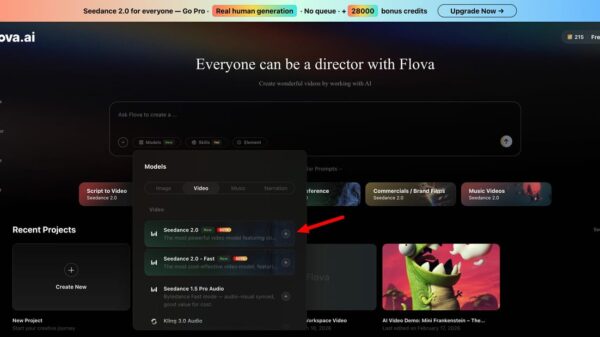
 ByteDance Launches Seedance 2.0, Generating High-Quality Videos with Minimal Input
 AI Enhances Qualitative Research: Human and LLM Analyses Yield Similar Insights