

















































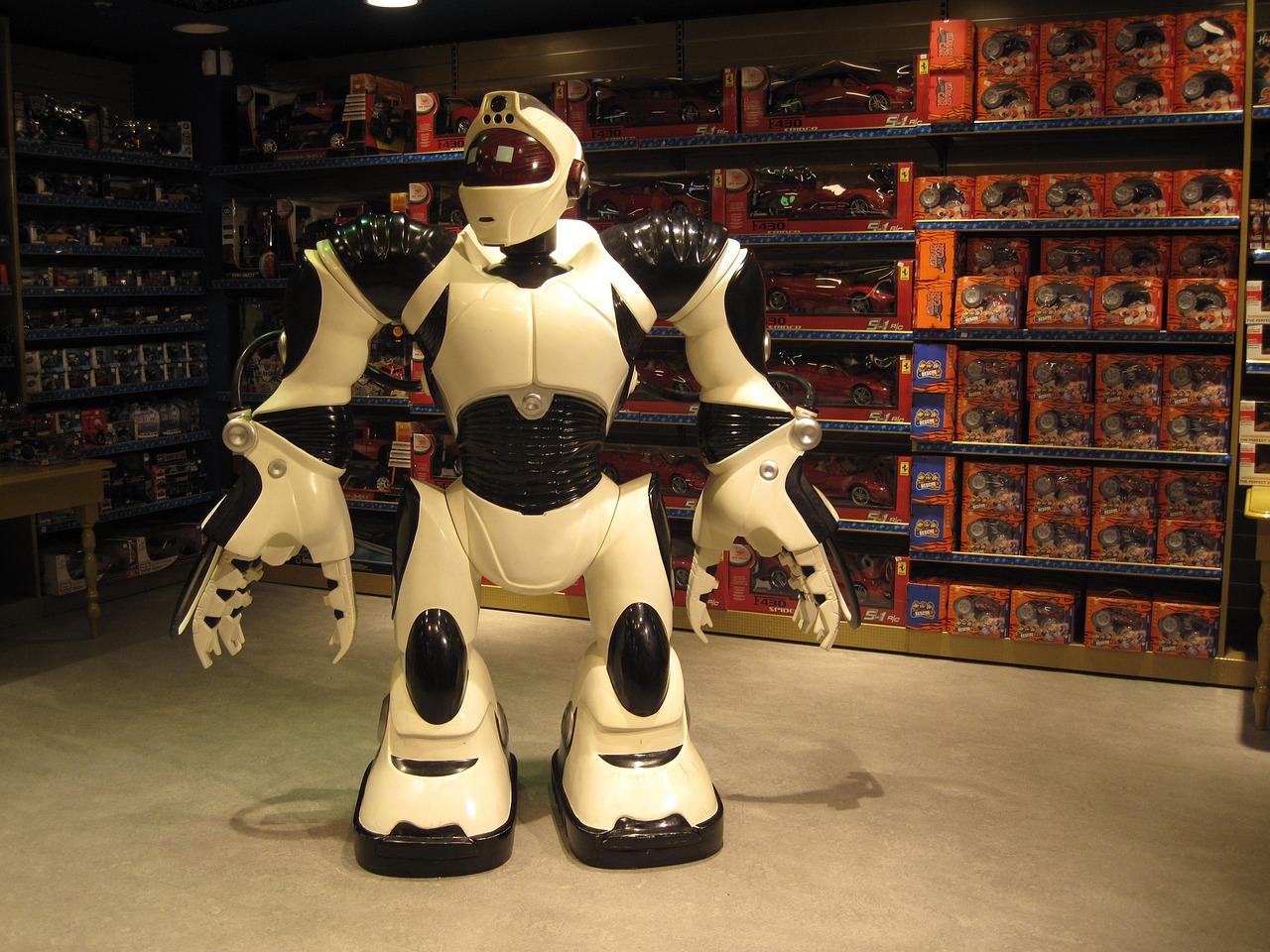
Humanoid robots, once confined to the realm of science fiction, are now emerging on factory floors and in research labs. However, recent findings suggest that the development of these robots is hindered less by advancements in artificial intelligence and more by fundamental physical limitations. A study published on TechRxiv highlights key issues such as data scarcity, energy constraints, and challenges in creating realistic simulations, which collectively impede the deployment of humanoid robotics.
Conducted by Partha Pratim Ray, a senior member of IEEE and assistant professor at Sikkim University, the research delves into the concept of “Physical AI.” This field posits that intelligence is deeply intertwined with a robot’s ability to sense, move, and interact with its environment. Although machine learning has significantly improved in areas like perception and planning, the study reveals that humanoid systems still struggle with reliability, safety, and efficiency in uncontrolled environments.
At the core of these challenges is the complexity of embodiment. Humanoid robots must perform intricate tasks such as balancing, walking, and grasping, often in close proximity to humans. The study concludes that these demands expose weaknesses across the robotics ecosystem, from data collection and simulation to hardware and control mechanisms.
A significant finding of the study is the identification of a critical shortage of high-quality training data for humanoid robots. Unlike traditional software systems or even industrial robots, humanoids find it difficult to generate substantial volumes of real-world experience due to the costly and time-consuming nature of physical trials. These trials are particularly fraught with challenges when it comes to learning balance or dexterous manipulation, leading researchers to increasingly rely on simulations.
However, the study points out that the current simulated environments often fail to accurately replicate essential aspects like physical contact, surface friction, and timing. As a result, models that perform well in virtual settings frequently experience a significant drop in performance when applied to real-world scenarios. Ray describes this gap as structural, noting that improvements in neural networks will not resolve the underlying issues stemming from inadequate training data.
Understanding the Sim-to-Real Gap
The study emphasizes the “sim-to-real” gap, which refers to the discrepancies between simulated training and real-world performance. Humanoid robots face a wider disparity in this area compared to wheeled robots or fixed robotic arms because even minor errors can lead to catastrophic failures across their entire body. For instance, a small miscalculation of friction can destabilize a walking robot, while slight sensor noise can lead to loss of balance. Current high-fidelity simulation tools still struggle to capture the full range of interactions necessary for robust control of humanoid robots, especially over extended periods.
To bridge this gap, Ray suggests hybrid approaches that combine simulation with limited real-world feedback to allow digital models to adapt as conditions change. However, the study cautions that such methods remain computationally intensive and challenging to scale effectively.
In addition to data and simulation issues, the study highlights physical limitations that machine learning cannot easily overcome. Humanoid robots require substantial energy to perform movements and computations simultaneously while adhering to strict power and thermal limits. The constraints imposed by batteries, actuators, and onboard processors define the operational capabilities of these systems.
Another significant limitation is latency. Humanoid robots rely on rapid coordination among vision, touch, balance, and movement. Even minor delays of a few milliseconds can jeopardize stability. While current edge computing systems are showing improvements, they still often fail to provide the requisite level of real-time coordination reliably.
Safety and verification issues further complicate deployment. Designed for operation near humans, failures in humanoid robots pose greater risks. The study notes that behaviors learned through machine learning are challenging to formally verify, making certification and large-scale implementation particularly slow, especially in regulated sectors.
The study synthesizes various research areas, including robotics, simulation, embedded computing, and control theory, rather than presenting new experimental data. Ray acknowledges limitations in this approach, as the paper does not offer specific quantitative performance benchmarks tailored to humanoid platforms. Furthermore, some proposed solutions, such as world-model learning and adaptive digital twins, remain in early research phases.
Looking forward, the study does not suggest that humanoid robotics is an impossible endeavor. Instead, it emphasizes that significant unresolved issues in data, energy, control, and safety must be addressed—issues that simpler robotic systems often circumvent. Progress in humanoid robotics will likely hinge on advancements beyond traditional AI training, focusing on improved physical simulations, more efficient hardware, new evaluation standards for embodied systems, and closer integration between learning and control. This research highlights both the promise and challenges ahead for the field of humanoid robotics.
See also Researchers Enhance Fuel Cell Power Density by 30% Using Advanced Machine Learning Techniques
 Executives Must Prepare for AI Transformation: Key Strategies for 2026 Success
 AI Consulting Reduces Go-To-Market Risk by 75% for Product Launches
 Study Reveals AI Models Converge on Ideas, Threatening Human Creativity and Diversity
 SciSciGPT Launches as AI Research Assistant, Boosting Efficiency and Quality by 10x