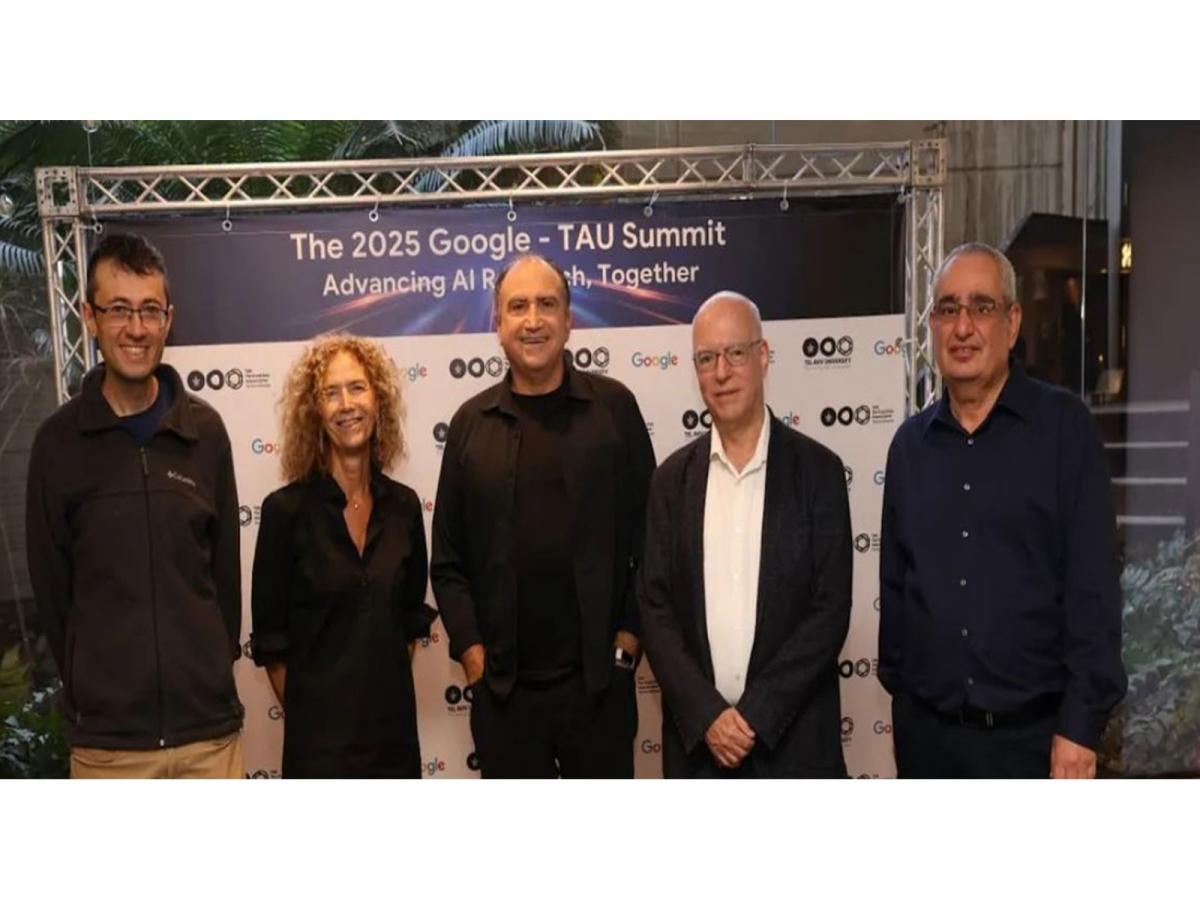
Tel Aviv University (TAU) and Google Israel have initiated a three-year program aimed at advancing research in key areas of artificial intelligence (AI), with funding of USD 1 million from Google.org. This collaboration, announced on December 21, 2023, seeks to foster innovations in AI that could reshape the landscape of technology and data science.
The program will be spearheaded by TAU’s Centre for AI & Data Science, directed by Prof. Yishay Mansour. It will focus on foundational research areas, including language models, algorithmic efficiency, and privacy. These elements are increasingly critical as AI systems become more integrated into various aspects of life and business.
Among the initiatives is an honours program designed for graduate students, which aims to deepen their engagement with advanced AI research. Additionally, the BITS of AI program will target teenagers from Israel’s geographic and social peripheries, providing them with opportunities to delve into the field of AI. This dual approach not only seeks to enhance academic knowledge but also to encourage diversity in the tech sector.
The significance of this initiative comes at a time when AI is rapidly transforming industries worldwide. With significant investments in AI research and development, the collaboration between TAU and Google signals a commitment to harnessing these technological advancements for broader societal benefit. By focusing on foundational research, the program endeavors to contribute to the global discourse on AI ethics, efficiency, and security.
As AI continues to evolve, the partnership between academic institutions and tech giants like Google becomes increasingly important. This collaboration not only aims to populate the AI field with skilled professionals but also to tackle pressing issues surrounding data privacy and algorithmic fairness — challenges that are becoming more pronounced as AI systems are deployed in real-world applications.
The funding provided by Google.org will also support scholarships and research grants, ensuring that a new generation of researchers can access the tools and resources necessary for pioneering work in AI. This financial backing is expected to bolster TAU’s existing research capabilities, aligning with global trends emphasizing the need for robust, ethical AI systems.
In a world increasingly reliant on AI technologies, the outcomes of this program could have widespread implications, not just for Israel but for the international community as well. As research in AI progresses, it is essential for educational programs to evolve in tandem, equipping students with the knowledge and skills required to navigate and innovate within this rapidly changing landscape.
Looking ahead, the collaboration between TAU and Google Israel may pave the way for further partnerships, both locally and globally. As foundational AI research continues to unfold, the insights gained from this program could inform future developments and set the standard for responsible AI practices in the years to come.
See also Hiral Raval Advances Ethical AI with New Research on Scalable Data Infrastructure
 AI Pathology Models Show 29% Bias in Cancer Detection Across Demographics, Study Reveals
 AI Tool BMVision Reduces Kidney Cancer Detection Time by 33% at Tartu University Hospital
 Carnegie Mellon Unveils Image2Gcode Framework, Directly Converts 2D Images to G-code