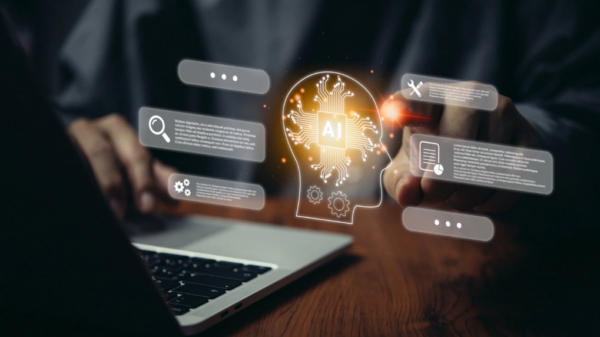








































As the digital era unfolds, one persistent challenge has emerged: distraction. With algorithms, endless scrolling, and short-form videos competing for users’ attention, a new type of technology is on the rise: AI-powered productivity systems. These tools are designed not only to help users maintain focus but also to identify distractions automatically.
Modern AI productivity tools analyze user behavior, including browsing habits, typing speeds, and application switching to monitor when focus wanes. The pressing question is not whether technology can help mitigate distractions, but rather whether it should make judgments about when we are distracted.
Unlike conventional web blockers that rely on fixed rules, AI systems infer behavior through machine learning models trained to recognize distraction patterns. For instance, excessive tab switching or rapid scrolling without engagement could trigger automated interventions. By differentiating between intentional and automatic actions, these systems can allow permissible distractions, such as researching a topic on a video platform, while blocking unrelated browsing.
This shift towards context-sensitive computing represents an exciting development in digital productivity. With AI, users no longer have to rely solely on self-control; they can delegate a portion of their cognitive management to algorithms designed to reinforce attention.
At its core, this concept of algorithmic discipline revolves around delegation. Just as people have historically relied on external tools like alarm clocks or calendars to regulate behavior, AI tools are now stepping in to read intent. Research indicates that many habitual actions operate below conscious awareness. Individuals may not consciously desire to check social media repeatedly throughout the day, yet such behavior can become automatic. AI can identify these patterns and introduce friction at moments when self-control is weak.
However, the psychological ramifications of this technology are complex. When algorithms define what constitutes distraction, they may not align with individual goals or creative processes. Productivity is not always linear, and periods of perceived distraction can sometimes foster creativity or deeper understanding.
The ethical considerations surrounding AI-based distraction management raise significant questions about autonomy. Is it appropriate for a system to override user behavior based on probabilistic inferences? Even if users consent to AI surveillance, the implications of such agency shifts can be profound.
Algorithmic decisions are influenced by their training data and underlying design assumptions. If a model categorizes social media engagement as a distraction, it risks overlooking legitimate professional interactions or valuable social connections. Moreover, if it interprets prolonged reading as inefficiency, it could disrupt focused research efforts.
Transparency becomes crucial in this context. Users must be aware of how decisions are made and have the ability to override or modify interventions. Without this transparency, AI discipline risks being viewed as coercive rather than supportive.
Additionally, prioritizing individual well-being over mere productivity metrics is vital. Most AI applications measure productivity based on time spent working or the frequency of application switches. While useful, these metrics often overlook emotional states, stress levels, and the need for creative incubation. A system geared toward maximum efficiency may curtail short-term distractions but inadvertently contribute to long-term burnout.
Promising AI productivity systems strive to incorporate insights from behavioral science. Instead of enforcing strict barriers, they could offer reflective prompts or suggest brief breaks. In this model, AI takes on a coaching role rather than that of an enforcer.
As AI technology advances, future systems may analyze biometric responses, such as eye movements or heart rate variability, to assess cognitive load. This capability raises broader societal questions about attention governance. If organizations use AI to regulate focus, will workplaces and academic institutions adopt these technologies for employees and students? The line between voluntary self-regulation and enforced compliance may become increasingly blurred.
Ultimately, achieving a balance in this debate is crucial. While AI has the potential to be an effective partner in managing digital overload, its interventions must respect the user’s identity, creativity, and autonomy. The evolving landscape of productivity technology reflects this delicate interplay between algorithmic discipline and individual agency.
As the conversation around AI and attention management develops, it becomes imperative to question not just whether AI should aid in controlling focus, but how much authority it should wield over our attention. Designed transparently and implemented with user control in mind, AI can serve as an assistant rather than an overseer. However, when it encroaches upon personal agency, the implications for autonomy can be concerning. In the end, the critical question remains: Who ultimately decides what constitutes distraction?
See also Tesseract Launches Site Manager and PRISM Vision Badge for Job Site Clarity
 Affordable Android Smartwatches That Offer Great Value and Features
 Russia”s AIDOL Robot Stumbles During Debut in Moscow
 AI Technology Revolutionizes Meat Processing at Cargill Slaughterhouse
 Seagate Unveils Exos 4U100: 3.2PB AI-Ready Storage with Advanced HAMR Tech