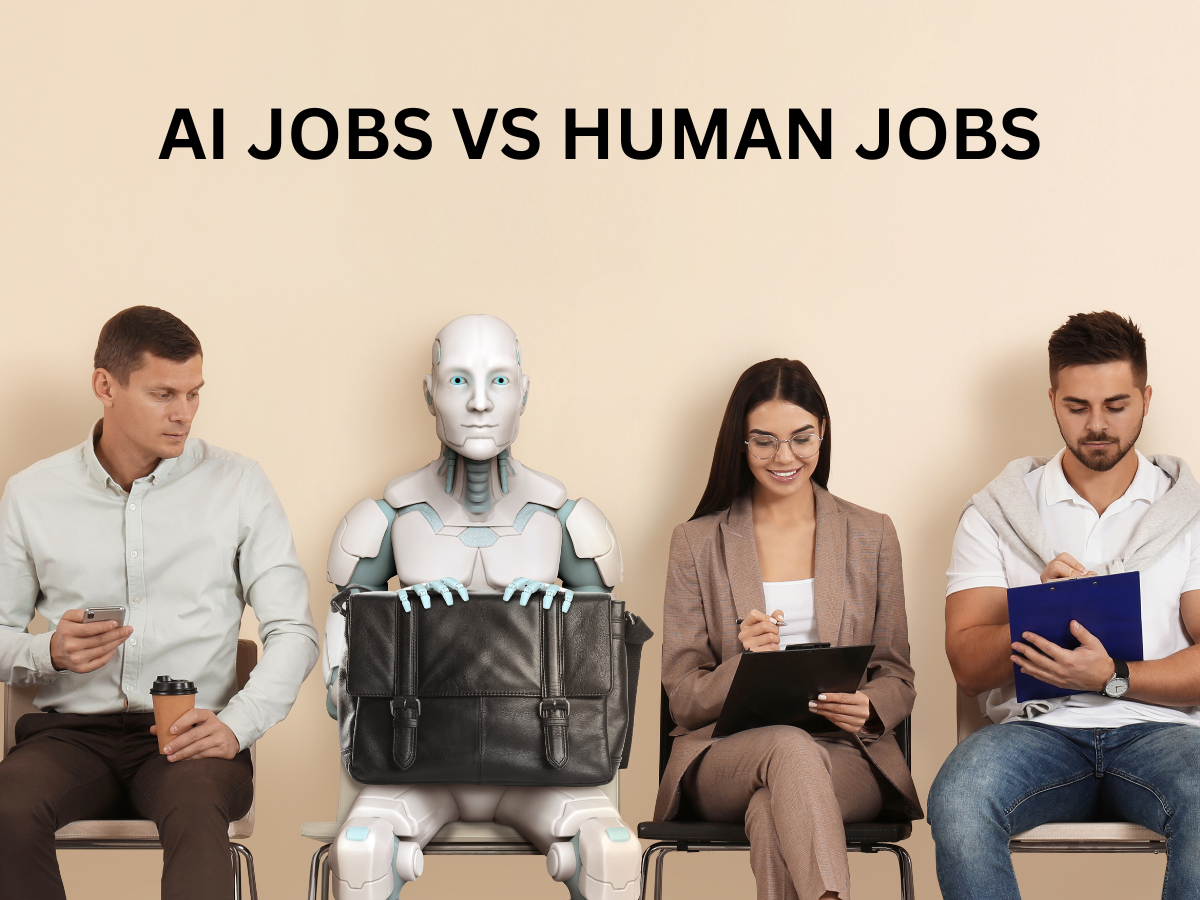
Artificial Intelligence (AI) is reshaping the landscape of employment as companies increasingly adopt AI tools to boost efficiency. This shift has triggered concerns among employees about job security. A recent study conducted by **Anthropic** offers insights into which jobs are most susceptible to automation by AI and which roles appear to be more resilient for the time being.
The study, titled “Theoretical Capability and Observed Usage by Occupational Category,” examined nearly 2 million interactions with the AI model **Claude**. It juxtaposed AI’s potential for automation against its current applications in the workforce. The findings reveal a significant discrepancy between the theoretical capabilities of AI and its observable deployment in various occupational settings.
According to the research, occupations in the computer and mathematics fields exhibit the highest theoretical vulnerability to AI, with an exposure rate of approximately **94%**. Close behind are office and administrative roles at **90%**, and legal professions also demonstrate considerable risk. Other sectors, including business, finance, architecture, engineering, and management, all report exposure levels exceeding **60%**.
However, the actual implementation of AI in workplaces remains significantly lower than these theoretical estimates. In fact, the highest observed automation rate is **33%** for computer and mathematics positions, while many sectors register less than **20%** in terms of AI usage. Physical labor roles, such as those in agriculture, construction, and grounds maintenance, show virtually no signs of automation, underscoring a gap between potential and practical application.
Specific job roles are already feeling the impact of AI. For instance, computer programmers exhibit an observed exposure of around **75%**, while data entry operators are at **67%**. The study also highlighted a trend of slower hiring for younger workers in industries that are particularly vulnerable to AI disruption.
Experts caution that AI has not yet reached its full potential and as the technology matures, the degree of automation is likely to escalate in the coming years. This evolving landscape emphasizes the importance of **upskilling** and adapting to AI tools. Workers will need to enhance their skill sets to remain competitive in a job market increasingly influenced by AI advancements.
The findings of this study serve as a crucial reminder of the ongoing transformation within the workforce driven by AI technology. As companies continue to leverage AI for operational efficiency, the dynamic between technological advancement and job security will remain a pivotal issue for both employers and employees alike.
See also Mining Sector Embraces AI for Predictive Maintenance, Enhancing Safety and Efficiency
 Johns Hopkins APL Achieves 80% Time Reduction in Microcapsule Experiments with AI System ATLAS
 AI for Scientific Discovery Market Expected to Reach $34.78B by 2035, Growing 21.90% CAGR
 Deep Learning Transforms Clinical Trials: 2026 Insights on AI’s Impact and Implementation
 UK Councils’ AI Readiness Study Reveals Progress and Gaps Across 208 Local Authorities