









































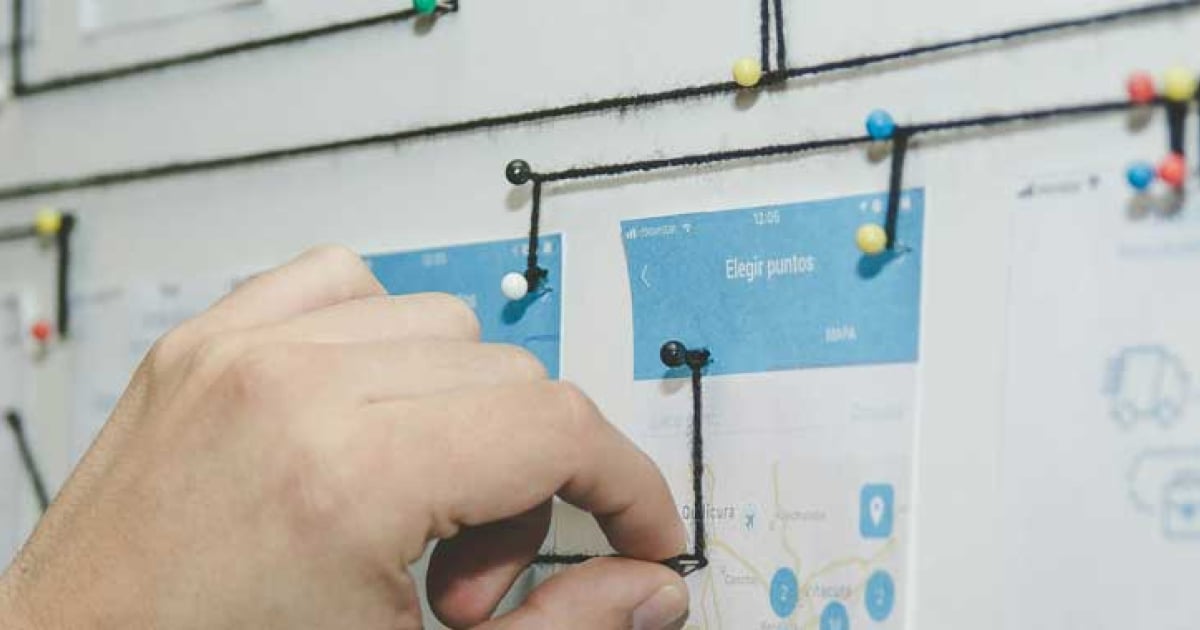
A new approach in design called “vibe coding” is reshaping how digital prototypes are created, enabling designers to develop interactive platforms from natural language prompts rather than static images. This innovative method leverages artificial intelligence (AI) to generate working code, allowing for the immediate testing and iteration of user journeys. Traditionally, designers would create numerous static screens to represent each step of a user experience; now, they can prompt the AI with a general description and receive a fully interactive prototype that prioritizes the entire user experience workflow.
By utilizing AI, designers are not just gaining efficiency; they are also enhancing their versatility in code access. Static images often lead clients to focus on minor details, but by providing a functional prototype, clients can engage with the design on a deeper level, fostering a clearer communication channel between designers and end users. This advancement shifts the paradigm, allowing for more effective collaboration and reducing the chances of misalignment in expectations.
In addition to creating prototypes, AI empowers designers to build proprietary tools tailored to specific challenges. This phenomenon echoes the Arts and Crafts movement, where artisans who designed furniture also crafted their own tools. In digital design, the gap between creators and implementers is narrowing as designers learn to “work with wood” themselves. For instance, a designer working on map features for the VIOOH Trading Manager interface can use AI to create a controller for adjusting markers, changing distributions, or switching visualizations. This capability transforms the design process from a lengthy ordeal into a streamlined activity that produces useful visual assets within minutes.
However, the emergence of these technologies does not signal an end to engineering roles. Rather, it marks the evolution of designers into what is being termed the hybrid design engineer role. This new capability not only enhances the skill set of designers but also positions them as invaluable contributors to cross-functional teams. As AI assists engineers in writing better code, designers are being equipped to take on new responsibilities that foster collaboration and creativity.
The potential for AI in design does not end with improving workflows; it extends to educational and professional development. Recently selected for BEDA’s (Bureau of European Design Associations) expert panel on AI and digital ethics in design, the author emphasizes the importance of normalizing and demystifying AI. While some designers express concerns that tools like Canva may undermine their roles, those who embrace AI and expand their skill sets are likely to carve out new, valuable niches in the industry.
Emerging designers are encouraged to pay attention to the evolving role of design engineers and to familiarize themselves with AI tools. At VIOOH, the integration of tools such as V0 for design and Cursor for engineering collaboration is fundamentally changing how product managers, designers, and engineers interact, promoting a cohesive work environment instead of the previously fragmented approach.
Looking ahead, the key challenge in the design industry will be to bridge the gap between design and engineering roles entirely. This shift requires uncovering new collaborative methods where both disciplines work harmoniously. While AI is not the sole instigator of this change, it acts as a catalyst that makes such integrations feasible. As teams begin to engage with the same interactive tools, entirely new workflows become possible.
Ultimately, the success of designers in this changing landscape will depend on their willingness to embrace AI tools. Rather than merely speeding up existing processes, AI is broadening the scope of design possibilities and enhancing collaborative efforts with engineers and other teams. The real breakthrough lies in the improved human relationships fostered through these tools, paving the way for a more integrated and innovative future in design.
See also MIT Achieves Energy-Efficient AI Chips with Stacked Memory Transistors, Reducing Consumption by 130%
 AI in Politics Panel to Explore Technology’s Role in Elections on January 27 in Texas
 Luxbit.AI Launches Streamlined Payout System for Faster, Transparent Withdrawals
 Local Cloud Infrastructure Boosts AI Performance for Australian Enterprises
 OpenAI Partners with Cerebras in $10B Deal for 750MW AI Computing Power