















































Anthropic CEO Dario Amodei has sharply criticised former US President Donald Trump’s recent decision to allow the sale of US-made AI chips to China, citing significant national security risks. Speaking at the World Economic Forum 2026 in Davos during the session titled “The Day After AGI,” Amodei challenged the notion that exporting US technology bolsters American influence globally.
He likened the policy to “selling nuclear weapons to North Korea,” suggesting it could significantly close the technological gap between the US and China. Amodei emphasized that the United States currently maintains a multi-year lead over China in advanced chipmaking and AI infrastructure, a position he believes could be jeopardized if cutting-edge hardware continues to be exported. “Sending those chips over could help China catch up faster than people expect,” he stated in an interview with Bloomberg.
Addressing the strategic implications of AI development, Amodei warned that the technology is approaching unprecedented levels of computational power, capable of harnessing intelligence equivalent to “100 million people smarter than any Nobel Prize winner.” He noted that such capabilities could be monopolized by a single nation, raising alarms over the concentration of power in AI.
Amodei argued that AI should not be treated like traditional technologies such as telecommunications. While spreading US technology in areas like network equipment or data centers may appear beneficial, he maintained that the inherent risks of AI make such an approach perilous. “As I understand it, the logic is we need to sell them chips because we need to bind them into US supply chains,” he remarked. However, he contended that the issue transcends timing or commercial advantage and touches on the fundamental importance of AI itself.
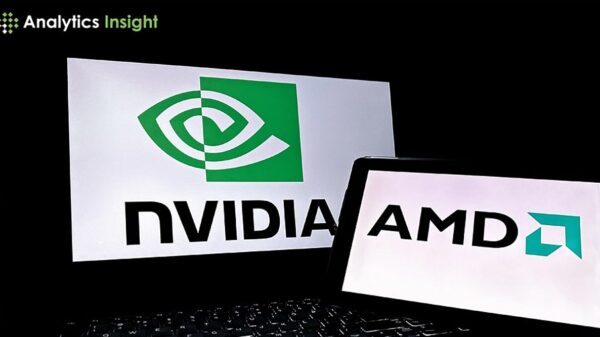
The debate surrounding this policy has intensified following recent regulatory changes that permitted the export of advanced AI chips, including NVIDIA’s H200 and AMD’s MI325X, to China. The US Bureau of Industry and Security recently updated licensing rules concerning these exports, raising concerns among industry stakeholders.
In a statement following the changes, Trump announced plans to impose a 25% tariff on AI chips sent to China, affecting products from companies like NVIDIA and AMD. This new tariff introduces further uncertainty for US chip manufacturers who are already navigating heightened tensions between Washington and Beijing.
As the geopolitical landscape evolves and the race for AI dominance accelerates, Amodei’s warnings highlight the complexities of technology policy in the modern era. The implications of exporting advanced AI technologies go beyond mere trade; they could reshape the global balance of power in a rapidly changing world.
See also Telangana Signs MoU with Blaize to Boost AI Hardware R&D in Hyderabad
 Anthropic Introduces MCP to Enhance DAO Decision-Support Systems and Governance Efficiency
 Tech Giants Launch Space Data Centers to Meet AI’s Growing Energy Demands
 AMD Stock Rises 6.2% Following Positive Analyst Ratings and AI Spending Boost
 BIOSTAR Launches EdgeComp MU-N150 and MS-NANO for Scalable AI and IoT Solutions