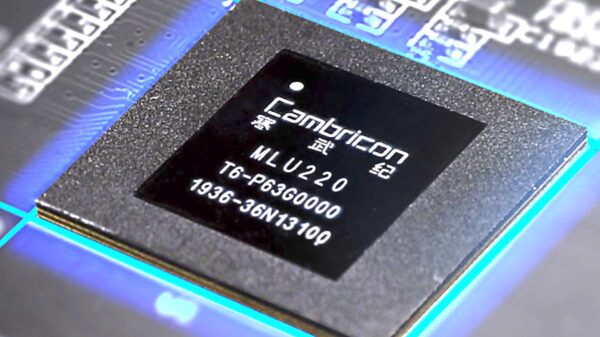
Nvidia and Advanced Micro Devices (AMD) have emerged as prominent suppliers of specialized processors integral to the field of artificial intelligence (AI). Originally developed to enhance graphics performance in video games, these graphics processing units (GPUs) have demonstrated exceptional capability in accelerating AI workloads, leading to a surge in demand driven by the rapid adoption of AI technologies.
However, proposed regulations from the Trump administration threaten to impede the growth of the AI sector. According to a report by Bloomberg, U.S. officials are contemplating new rules that would necessitate companies like Nvidia and AMD to secure government approval before exporting any AI-specific chips. These regulations would require firms to submit requests to the U.S. Department of Commerce to obtain licenses for the export of chips designed for AI applications.
The proposed licensing framework would introduce a tiered system based on the scale of the shipments. Smaller exports of 1,000 GPUs or fewer would undergo a cursory review, while medium-sized deployments would require preclearance prior to applying for a license. Large shipments exceeding 200,000 GPUs would entail rigorous certification processes from government officials in the recipient countries, alongside strict security stipulations and commitments to invest in U.S. AI initiatives.
The U.S. government currently enforces export restrictions against nations deemed threats to national security, including China, Russia, North Korea, and Iran. Under President Trump’s administration, the export of AI-centric chips to China was permitted, albeit with a 25% tariff. Nvidia has been actively working to restore its sales to the Chinese market.
Nvidia’s interactions in China underscore the potential ramifications of these proposed regulations. In April 2025, the Trump administration imposed restrictions on AI chip sales to China, prompting retaliation from Beijing, which subsequently barred foreign chips from government-backed data centers and mandated the use of domestically produced processors. Since that time, Nvidia’s exports to China have not recovered, a significant concern given that the company’s chip sales to the country totaled $17 billion, constituting 13% of its total sales in 2024.
The recent back-and-forth has left Nvidia with a notable revenue gap, particularly as its sales in China were pivotal for its overall financial performance. In the previous fiscal year, Nvidia reported a revenue increase of 65%, reaching $216 billion, with a large portion attributed directly to AI. Meanwhile, AMD also experienced robust growth, with revenue climbing 34% to $35 billion.
As the situation unfolds, investors are advised to monitor developments closely. While the regulations are still in the proposal phase and may undergo modifications or be discarded entirely, their implementation could significantly hinder the AI-driven growth trajectories of Nvidia, AMD, and other industry players.
In summary, the anticipated regulatory landscape has the potential to reshape the dynamics of the AI chip market, impacting not only sales but also broader international relations in technology. The stakes are high, and the outcomes will likely reverberate throughout the tech industry for years to come.
See also AWS Reveals Telecoms Plan to Outsource AI Infrastructure Amid Budget Constraints
 NUS Computing Partners with OpenAI to Enhance AI Curriculum for Future Graduates
 US Mandates Approval for All AI Chip Exports to Enhance National Security
 Nominal Secures $80M to Enhance AI Engineering Platform and Expand Global Operations
 AI Companies Show Job Growth Despite Layoffs; ECB Data Reveals 4% Hiring Boost