















































Apple Inc. (AAPL +0.62%) is navigating the rapidly evolving landscape of artificial intelligence (AI) with a cautious approach, even as competitors invest heavily in AI infrastructure. In fiscal 2025, which concluded on September 27, Apple’s capital expenditures reached $12.7 billion, a stark contrast to the aggressive spending seen across the tech sector. Critics have pointed to Apple’s lack of groundbreaking AI features, notably the delayed enhancements to its AI-powered assistant, Siri. Nevertheless, industry observers remain optimistic about Apple’s enduring relevance in the AI era, suggesting that its market position is unlikely to wane.
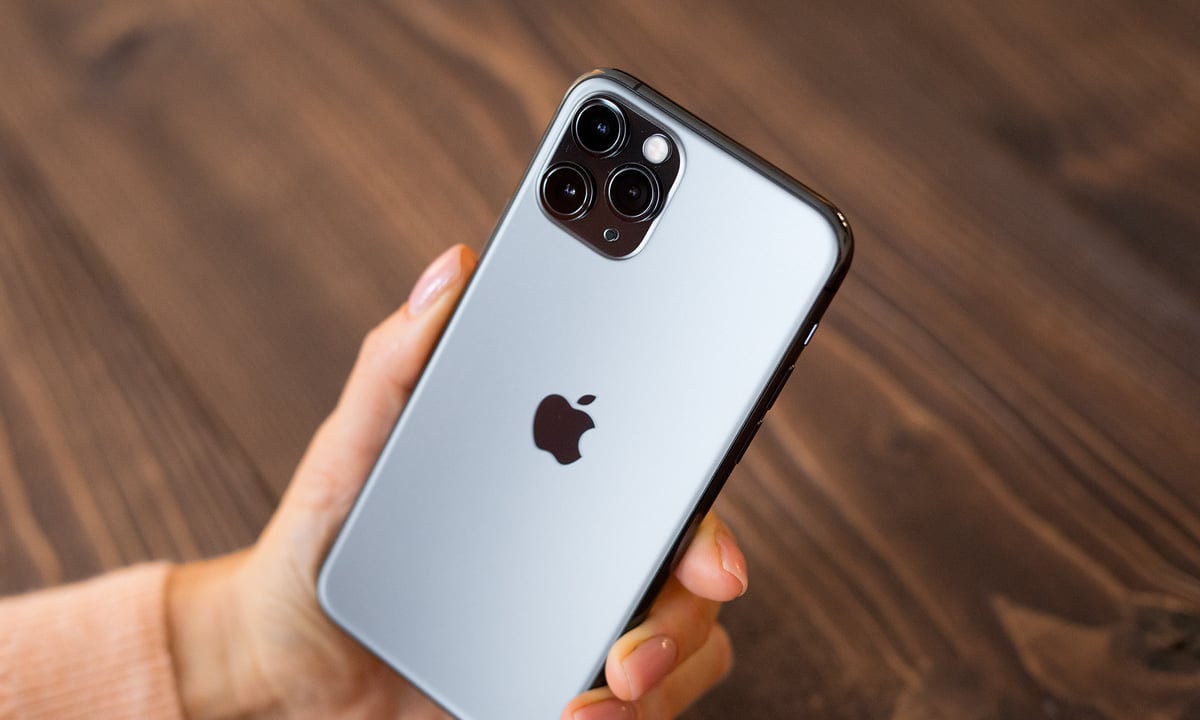
One of Apple’s most significant advantages lies in its extensive distribution network. CEO Tim Cook disclosed that there are approximately 2.35 billion active Apple devices globally, with over 1 billion of those being iPhones, a crucial segment responsible for half of the company’s product revenue. This vast installed base offers Apple an unparalleled distribution advantage, placing its devices in the hands of consumers across the globe. The iPhone, nearly two decades into its lifecycle, continues to serve as a vital tool for connectivity and digital interaction, solidifying its importance in the consumer tech space.
Amid ongoing discussions about AI’s transformative potential, the future remains uncertain. While some experts believe AI advancements could significantly alter daily life, others caution that improvements may be more incremental. A case in point is the rapid adoption of OpenAI’s ChatGPT, which garnered 100 million users within two months of its release—making it the fastest consumer app to achieve such a milestone. However, the ease of access to the chatbot, which did not necessitate new hardware purchases, contributed to its swift uptake.
Despite varying opinions on AI’s impact, it seems improbable that the smartphone, and specifically the iPhone, will lose its status as a primary digital device. As the main conduit for online communication and services, the iPhone’s relevance remains secure. Apple is reportedly working on a new wearable AI pin, while OpenAI is also anticipated to unveil a competing product in late 2026. This ongoing innovation reflects a landscape where familiarity with existing devices blends with the potential for new technologies.
While Apple appears to be treading carefully in the AI race, its robust distribution network and brand loyalty create a formidable competitive moat. The company’s ability to leverage its existing user base and ecosystem of products and services positions it favorably in an increasingly AI-influenced economy. As the market continues to evolve, Apple’s strategy of prioritizing a balanced approach to AI could serve it well, allowing it to maintain its leading role in consumer technology.
See also AMD Boosts AI Inference Capabilities with New Chips, Partners with OpenAI and Luma AI
 China Approves Nvidia GPU Purchase, Empowering AI Firms with 400,000 Units
 Micron Technology’s AI Chip Market Set to Surge 40% by 2026, Analysts Predict $33 EPS
 3 Affordable AI Stocks to Buy Now: AMD, Micron, and Nvidia Under $5,000