Alphabet, Google’s parent company, recently faced scrutiny during its Q4 2025 earnings call regarding a potential AI partnership with Apple, which could significantly impact the future of Siri. Despite analysts directly inquiring about the rumored collaboration to utilize Google’s Gemini models for Siri, Alphabet executives opted for silence, raising questions about the strategic implications of their reticence.
The analysts’ queries were met with a notable absence of detail. Sundar Pichai, CEO of Alphabet, referenced Google as Apple’s “preferred cloud provider” and indicated that the companies would work together on “next-generation Apple foundation models based on Gemini technology.” However, no further elaboration followed, and both Pichai and Chief Business Officer Philipp Schindler provided similar vague comments. This lack of commentary not only reflects corporate strategy but could also signify a pivotal moment in the ongoing Apple-Google dynamic within the rapidly evolving landscape of AI.
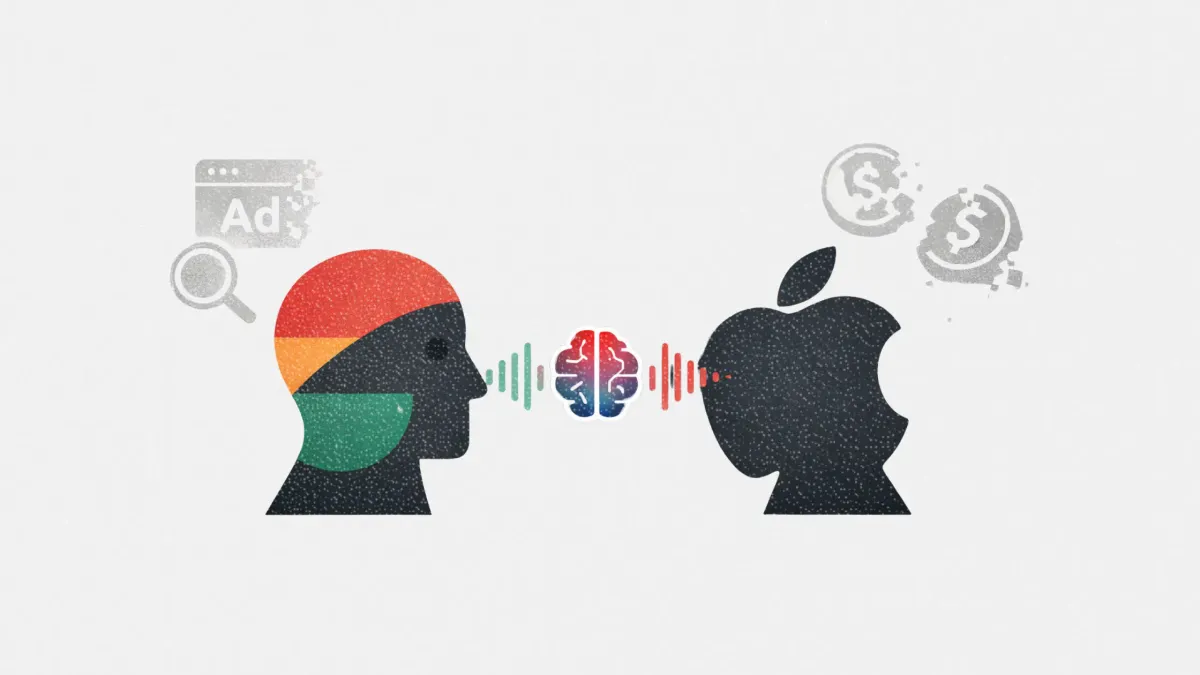
The potential partnership is speculated to be worth approximately $1 billion annually, and it represents a shift from their historically defined relationship centered on search. Currently, Google pays Apple around $20 billion to maintain its status as the default search engine on Apple devices, which collectively have approximately 2.5 billion active users globally. However, integrating Google’s Gemini into Siri could extend beyond just enhancing user search experiences; it may fundamentally alter how users interact with AI and advertising on Apple platforms.
For Google, the stakes are high. While its Search Generative Experience (SGE) is testing ads within AI-driven responses, the scalability and effectiveness of this model remain uncertain. This partnership brings both opportunities and risks; embedding Gemini in Siri might diminish the importance of traditional ad formats and reshape user interactions in ways that Google has yet to navigate. In contrast, competitors such as Anthropic are positioning their AI offerings as alternatives to ad-supported models, focusing instead on privacy-first approaches.
The implications of this potential partnership resonate deeply with marketers. The evolving nature of AI-first search, as indicated by Alphabet’s silence, reveals a landscape where traditional advertising mechanisms may not function as they have in the past. AI responses often summarize information rather than directing users to specific links, which could limit opportunities for conventional ads and diminish brand visibility in these contexts. As AI-driven assistants like Siri curate answers from various sources, the demand for high-quality owned content may increase, as brands strive to remain discoverable in an AI-centric environment.
As the relationship between Google and Apple potentially redefines AI interfaces, marketers might find themselves facing another gatekeeper in the form of Gemini, mediated through Apple’s user experience. If Google’s models become the engine driving Siri’s capabilities, companies will need to rethink their strategies concerning content, commerce, and customer engagement in these newly integrated AI ecosystems.
Alphabet’s decision to sidestep questions regarding its partnership with Apple is not merely a missed opportunity for transparency; it is a calculated maneuver. The company is likely aware that this collaboration could significantly influence not just Siri’s functionalities but also the broader interactions of search, advertising, and AI across platforms. As developments unfold, marketers and brand strategists will need to keep a vigilant eye on how Google integrates its Gemini technology into third-party environments. The company’s silence may indicate that something substantial is on the horizon, with the potential to reshape the AI landscape and its implications for marketing as we know it.
See also Google Reveals AI-Powered Ad Innovations to Enhance Targeting and Consumer Engagement
 Microsoft and Amazon Launch AI Content Licensing Marketplaces to Boost E-commerce Opportunities
 Volume Nine Launches GEO Grader Tool to Enhance Brands’ AI Search Readiness
 AI Enhances FinTech: 95% of Firms Report Improved Customer Experience and Security