

















































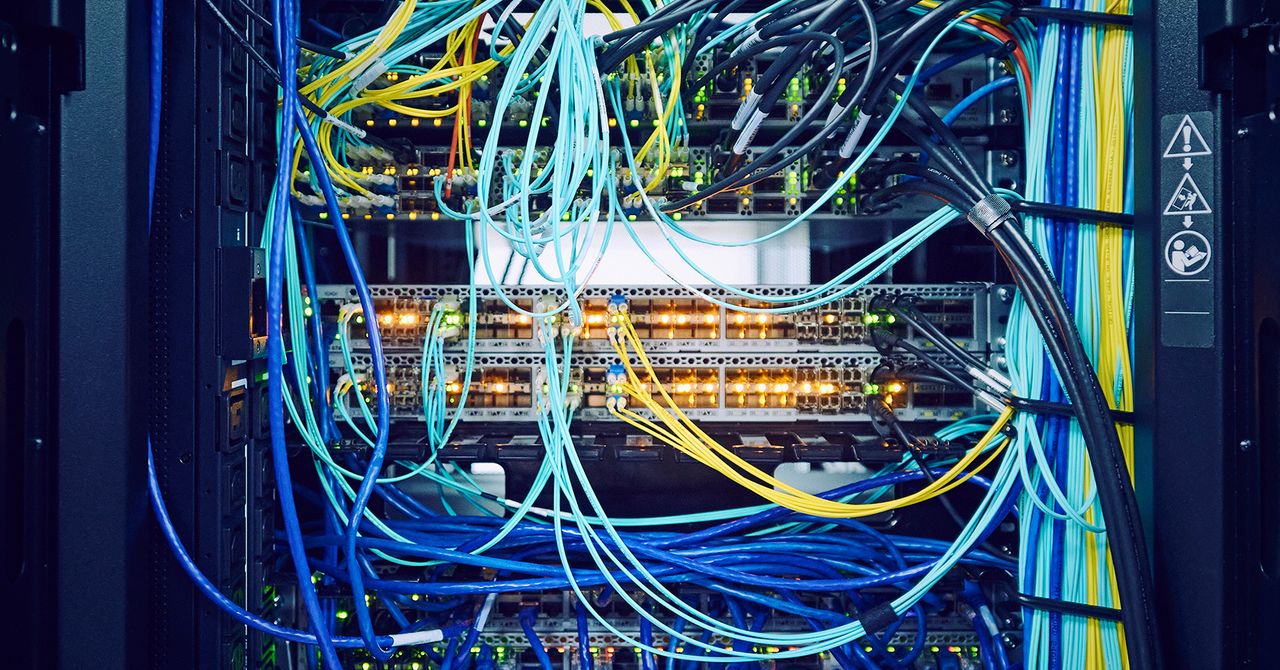
Aging digital infrastructure is becoming a growing concern for organizations globally. Equipment such as routers, network switches, and network-attached storage, often left running in neglected corners, presents a silent yet serious risk. In many cases, maintaining these outdated systems appears cheaper and easier in the short term. However, these legacy technologies frequently feature old and insecure configurations, leaving them vulnerable to modern threats. As generative AI tools simplify the process for attackers to identify and exploit system weaknesses, the network technology giant Cisco is actively addressing this issue through its new initiative, “Resilient Infrastructure.”
The “Resilient Infrastructure” campaign aims to bolster awareness surrounding aging digital infrastructure while promoting upgrades not just for outdated Cisco devices, but also for products from other vendors still in use. This initiative encompasses research, industry outreach, and significant changes in how Cisco manages its legacy offerings. Notably, the company plans to issue warnings for products nearing their end-of-life status. This means that if customers attempt to update a device with known insecure configurations, they will now receive clear alerts. Ultimately, Cisco aims to phase out outdated settings and interoperability options deemed unsafe.
“Infrastructure globally is aging, and that creates a ton of risk,” emphasizes Anthony Grieco, Cisco’s Chief Security and Trust Officer. “The thing we’ve got to get across is this aging infrastructure wasn’t designed for today’s threat environments. And by not updating it, it’s fostering opportunities for adversaries.”
Research conducted for Cisco by the British consultancy firm WPI Strategy highlights the prevalence and impact of end-of-life technology on critical national infrastructure across five nations: the United States, United Kingdom, Germany, France, and Japan. The study reveals that the UK, closely followed by the US, faces the greatest relative risk from the widespread use of outdated technologies in essential sectors. In contrast, Japan exhibits the lowest relative risk, attributed to a greater focus on regular upgrades, decentralized critical infrastructure, and a consistent national commitment to digital resilience.
The findings underscore a critical reality: cybersecurity incidents frequently involve attackers exploiting vulnerabilities that could be avoided through routine patching or upgrading of end-of-life technologies. “The status quo is not free—there is actually a cost, it’s just not being accounted for,” cautions Eric Wenger, Cisco’s Senior Director for Technology Policy. He stresses the importance of elevating this risk to a board-level concern, which could foster investment in necessary upgrades. “As an industry, we’re not making it hard enough for the attackers,” he adds.
Cisco’s proactive steps highlight the increasing urgency for organizations to reevaluate their digital infrastructure. With threats evolving rapidly and the capabilities of generative AI amplifying the risk of cyberattacks, maintaining outdated systems is no longer an option for businesses serious about cybersecurity. The “Resilient Infrastructure” initiative not only aims to enhance security practices at Cisco but also seeks to catalyze broader industry change, emphasizing that proactive maintenance and regular upgrades are essential to safeguarding against an increasingly complex threat landscape.
See also AI Disrupts Entry-Level Tech Jobs, But Pursuing Computer Science Remains Vital
 IBM’s Charu Mahajan: Creativity Essential for AI Age, Not Just Data Literacy
 Microsoft AI Chief Mustafa Suleyman Defends Copilot Amid User Backlash on Windows Updates
 Thumbprint Appoints Mark Hendrickson as Tech Director to Enhance AI-Driven Merchandise Solutions
 Swatch Launches AI-DADA Tool, Enables Custom Watches for $210 in Under 2 Minutes