











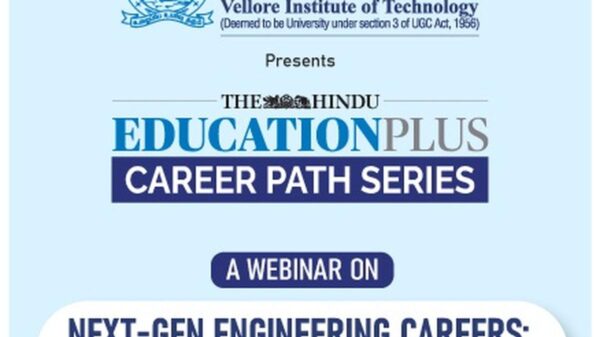






























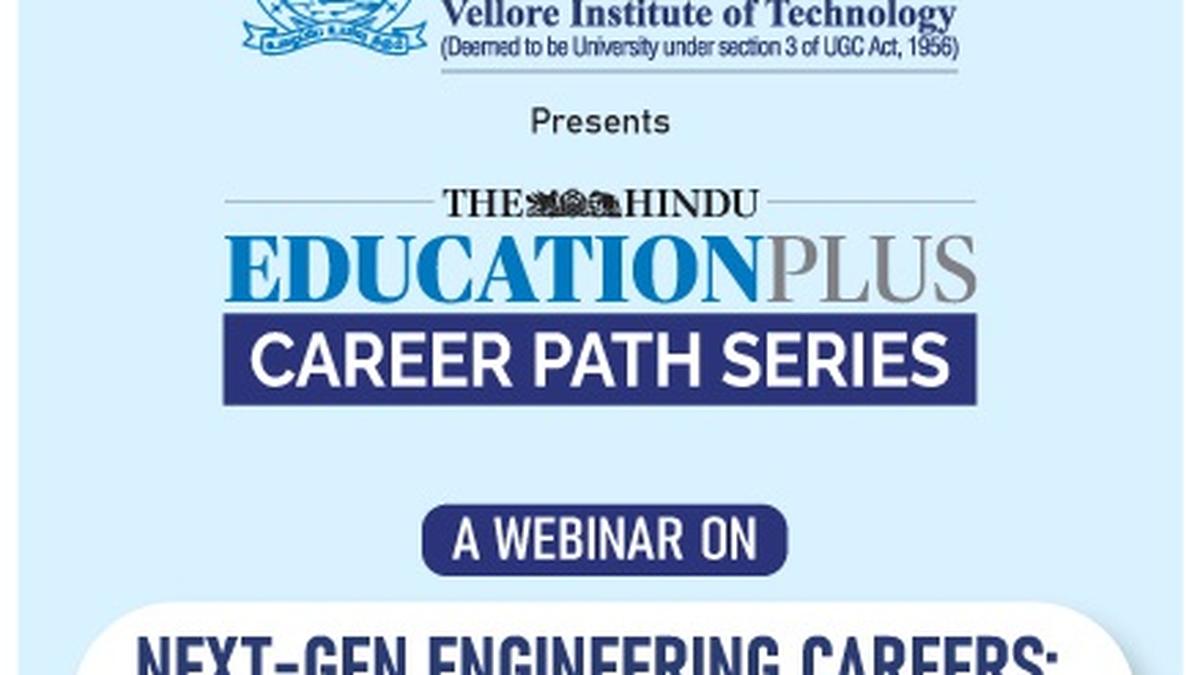
Engineers will find themselves in a more favorable position compared to other professions in an era increasingly influenced by Artificial Intelligence (AI), according to expert panelists at a recent webinar titled “Next-Gen Engineering Careers: Opportunities and Skills for the Future.” Organized by the Vellore Institute of Technology (VIT) and The Hindu Education Plus, the event aimed to equip aspiring engineers with insights into emerging domains and essential skills needed to thrive in a competitive landscape.
Pavan Desiraju, head of human resources at San Disk, emphasized that AI has already permeated daily life and that students who adapt quickly and apply their knowledge effectively will remain relevant. “Engineering will prioritize innovation, adaptability, and practical knowledge in future,” Desiraju noted. He characterized AI as an assistive tool, suggesting that “curious and creative minds can seamlessly take to next-gen engineering careers moving towards automated systems and sustainability.”
Sandhya Pentareddy, executive director of VIT Vellore, added that while job losses are a reality, new opportunities will emerge. She highlighted the significance of how individuals adapt to evolving job roles. Academic institutions, she noted, are incorporating AI into curricula and adopting an interdisciplinary approach. However, she stressed that students must also engage in upskilling. Fields such as biotechnology, cybersecurity, computer science, data analytics, and prompt engineering are expected to show substantial growth, while demand for experts in green energy, robotics, and AI is anticipated to surge.
Samuel Rajkumar, director of the Career Development Centre at VIT Vellore, provided an overview of the various engineering branches offered at the institute and the associated job opportunities. He emphasized the need for students to cultivate a diverse skill set to remain competitive in the job market.
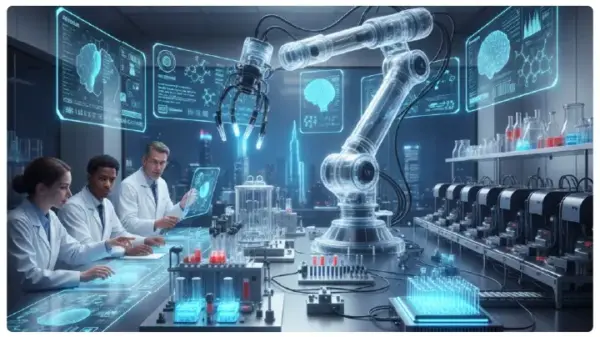
The convergence of AI and engineering has the potential to revolutionize traditional roles, leading to more efficient systems and innovative solutions. As industries increasingly rely on technological advancements, the engineering sector is poised to play a pivotal role in shaping the future workforce. Participants in the webinar were encouraged to adopt a proactive approach in their careers, emphasizing the importance of lifelong learning and adaptability.
The full webinar can be accessed at https://newsth.live/THVITNGY, providing a valuable resource for students and professionals aiming to navigate the complexities of next-generation engineering careers.
As AI continues to evolve, its integration into engineering careers will not only create new job opportunities but also redefine existing roles, making adaptability and continuous learning essential for future success in the field.
See also Tesseract Launches Site Manager and PRISM Vision Badge for Job Site Clarity
 Affordable Android Smartwatches That Offer Great Value and Features
 Russia”s AIDOL Robot Stumbles During Debut in Moscow
 AI Technology Revolutionizes Meat Processing at Cargill Slaughterhouse
 Seagate Unveils Exos 4U100: 3.2PB AI-Ready Storage with Advanced HAMR Tech






