










































LAS VEGAS — The Consumer Electronics Show (CES) 2026, organized by the Consumer Technology Association, unfolded from January 6 to 9, attracting over 148,000 attendees. The event showcased numerous laptop previews and new processors, with manufacturers indicating that these products will hit stores from late January through spring.
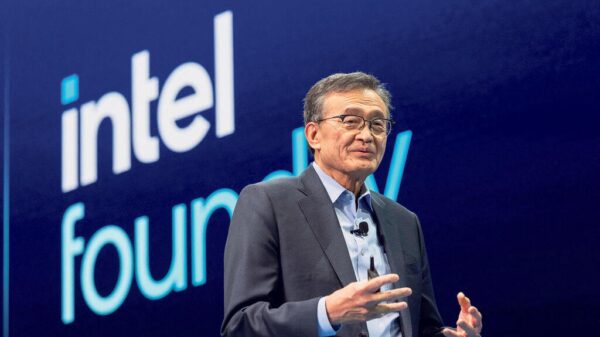
This year’s CES was particularly keen on two themes significant to student shoppers: next-generation AI PC processors and a new wave of thin-and-light laptops featuring OLED screens and on-device AI capabilities. Intel, a major player in the PC market, set an ambitious tone on January 5 by unveiling its Core Ultra Series 3 laptop processors. These chips represent Intel’s first AI PC platform developed using the company’s cutting-edge Intel 18A process technology, and are expected to power over 200 designs from various partners.
Reports from Tom’s Hardware positioned the Panther Lake series of Intel’s next-generation Core Ultra processors as a substantial upgrade for 2026 laptops, highlighting their enhanced gaming performance during the keynote presentation. The term “AI PC” emerged prominently across various announcements at CES, indicating a trend where systems incorporate dedicated neural processing units (NPU) to execute some AI functions locally. Intel emphasized its Core Ultra Series 3 as an AI PC platform, showcasing demonstrations that encompassed AI applications, gaming, and content creation on PCs powered by these new processors.
The CES program underscored the integration of AI as a fundamental aspect of consumer devices, rather than a mere feature. For students, this means an immediate impact on product specifications; manufacturers and their platform partners are increasingly marketing NPU performance alongside traditional CPU and graphics capabilities. This shift is expected to enhance the appeal of 2026 laptops, with a greater focus on the AI features embedded in Windows PCs and productivity workflows.
Several laptop manufacturers leveraged CES to refresh their thin-and-light offerings, which are often targeted at students and everyday users. MSI announced updates to its Prestige business and productivity lineup, introducing new models powered by the Intel Core Ultra Series 3 processors. According to MSI’s announcement, the revamped Prestige series will be available for preorder starting January 6, with official sales kicking off on January 27.
Independent coverage revealed details about the new models, with The Verge reporting that MSI’s updated Prestige line will come standard with OLED displays. The Prestige 14 Flip is set to start at $1,299. Tom’s Hardware characterized the Prestige refresh as combining Panther Lake-branded processors with student-friendly portability and standard OLED panels.
Acer also made headlines at CES, unveiling its lineup of Swift AI Copilot+ PCs, which feature the Intel Core Ultra Series 3 processors. The company emphasized the Swift 16 AI model, which will be powered by up to Intel Core Ultra X9 Series 3 processors and will offer a 120 Hz 3K OLED touch display within a compact 14.9 mm chassis.
According to Tom’s Hardware’s coverage, the Swift 16 AI will integrate Intel’s Panther Lake messaging with OLED display options, complemented by hardware upgrades like a large haptic touchpad. Acer also previewed additional Swift models expected to launch in the second quarter of 2026.
While CES does not dictate retail pricing, it often shapes the product roadmap and marketing language that students will encounter during early-year buying cycles. The CTA confirmed that CES 2026 concluded after four days of product introductions, with companies previewing laptop designs and expected availability that extends into late January and beyond.
For students contemplating whether to purchase now or wait, CES week offers a valuable glimpse into the priorities of manufacturers for 2026 models. The launch of Intel’s Core Ultra Series 3, along with announcements from MSI and Acer, signals that a significant portion of 2026 laptops will focus on local AI capabilities, enhanced display options, and the traditional updates in CPU performance and battery life.
See also Tesseract Launches Site Manager and PRISM Vision Badge for Job Site Clarity
 Affordable Android Smartwatches That Offer Great Value and Features
 Russia”s AIDOL Robot Stumbles During Debut in Moscow
 AI Technology Revolutionizes Meat Processing at Cargill Slaughterhouse
 Seagate Unveils Exos 4U100: 3.2PB AI-Ready Storage with Advanced HAMR Tech