



























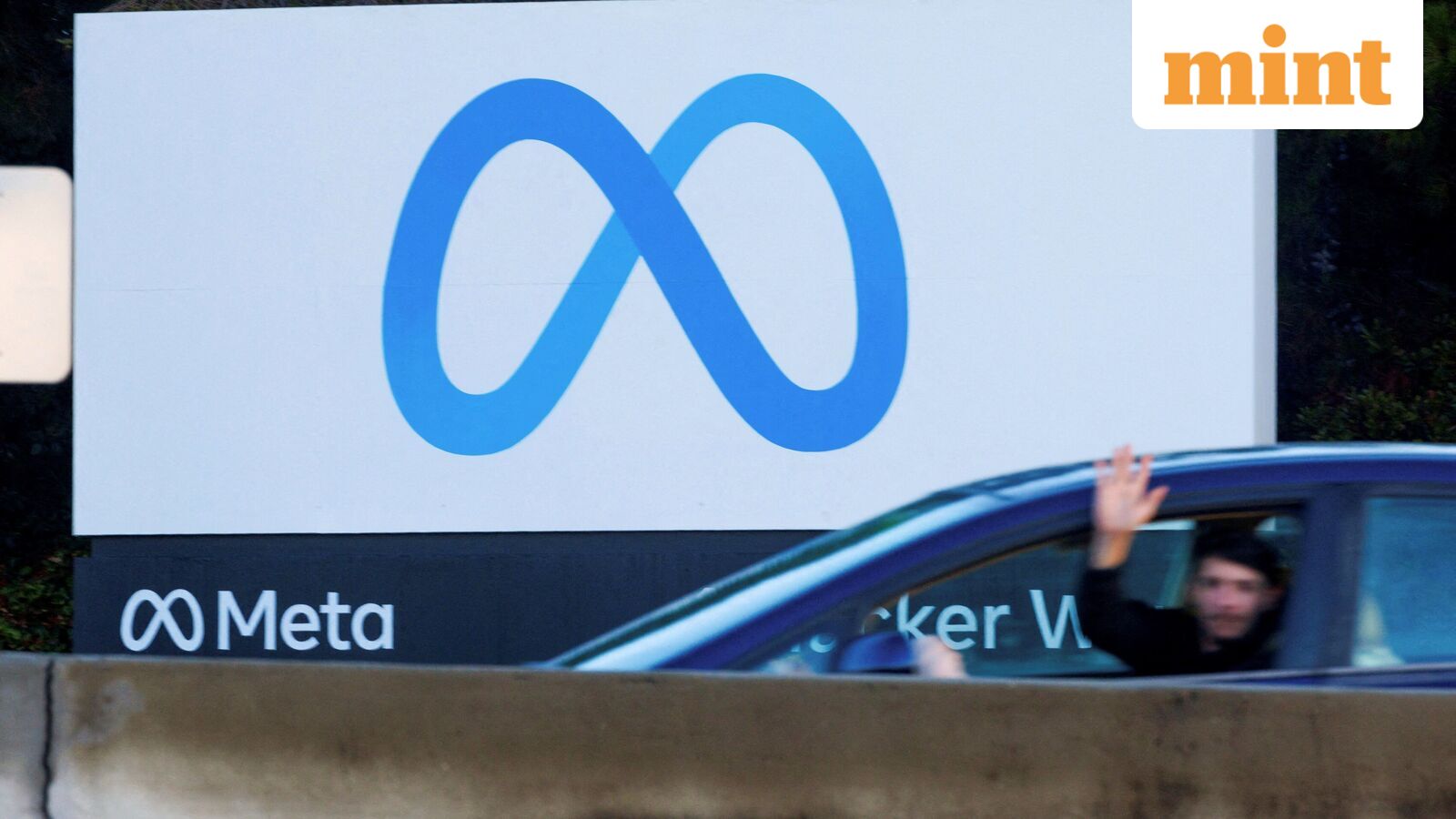
Meta Platforms Inc. has announced a series of electricity contracts that cement its status as the largest corporate purchaser of nuclear energy in American history, the company stated in a release on Friday, January 9. The agreements include purchasing electricity from three existing Vistra Corp. plants and supporting several small reactors planned by Oklo Inc., backed by Sam Altman, and TerraPower LLC, backed by Bill Gates, over the next decade. This announcement follows a separate deal in June to source energy from a Constellation Energy Corp. nuclear site.
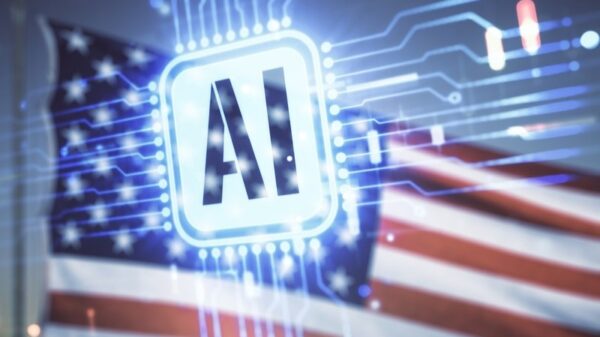
In its release, Meta emphasized that these agreements position the company at the forefront of corporate nuclear energy procurement. “State-of-the-art data centers and AI infrastructure are essential to securing America’s position as a global leader in AI. Nuclear energy will help power our AI future, strengthen our country’s energy infrastructure, and provide clean, reliable electricity for everyone,” the company said.
Meta’s initiatives are expected to generate substantial economic benefits, with the company noting that the projects will create thousands of skilled jobs in Ohio and Pennsylvania, enhance grid energy supply, extend the lifespan of three existing nuclear plants, and accelerate advancements in new reactor technologies. The agreements could yield more than 6 gigawatts of power, enough to supply approximately 5 million homes, as reported by Bloomberg. This move illustrates the ongoing competition among tech giants to secure reliable electric sources amid a rush to dominate the artificial intelligence sector.
Following the announcement, Vistra’s shares surged by 10% in pre-market trading on Friday, while Oklo’s shares increased by roughly 20%. The growing demand for power from data centers has intensified interest in nuclear energy, prompting major technology firms to explore various energy sources. While many had previously committed to renewable energy, some have begun to consider agreements with natural gas-fired generators, which can be constructed more swiftly compared to nuclear facilities, typically requiring around a decade to develop.
According to energy consulting firm Grid Strategies, U.S. power consumption is projected to rise by at least 30% by 2030, primarily driven by demand from data centers. As power suppliers grapple with this escalating demand, electricity has become a critical bottleneck for artificial intelligence development.
Other major tech companies, including Amazon.com Inc., Alphabet Inc., and Microsoft Corp., have also signed agreements to source energy from nuclear reactors. However, Meta’s recent efforts have overshadowed these initiatives, reaffirming the company’s commitment to integrating nuclear energy into its power supply.
About the Deals
These contracts align with CEO Mark Zuckerberg’s strategy to invest hundreds of billions of dollars in AI and its infrastructure by the end of the decade. Key projects include “Prometheus,” a planned 1-gigawatt data center in New Albany, Ohio, slated to launch this year, and “Hyperion,” a rural Louisiana initiative that may expand to 5 gigawatts and potentially become operational by 2028.
Under the agreement with Vistra, Meta will acquire energy from the Davis-Besse and Perry reactors in Ohio, which together have an operational capacity exceeding 2.1 gigawatts. The deal also includes provisions for an additional 433 megawatts of energy from planned upgrades at these plants, as well as the Beaver Valley facility in Pennsylvania.
In a separate agreement with Oklo, Meta will secure up to 1.2 gigawatts of capacity from reactors anticipated to be built in Ohio, with the first expected to come online as early as 2030. Oklo is in the process of developing a 75-megawatt reactor, pending federal approval. The agreement also involves a prepayment to assist Oklo with fuel procurement.
Furthermore, Meta has expressed support for the development of two reactors by TerraPower, which could generate up to 690 megawatts with energy delivery expected by 2032. Meta has also secured rights for energy from up to six additional future reactor projects, potentially totaling 2.1 gigawatts of power.
Last year, Zuckerberg communicated to investors that he sees greater risk in under-investing in AI infrastructure than in overspending. His approach is to “aggressively front-load building capacity” as the company aims to achieve its goal of “superintelligence,” a concept referring to AI surpassing human capabilities in numerous tasks.
See also Oklo Achieves 1.2 GW Deal with Meta, Driving 36% Stock Surge and Nuclear-AI Revolution
 Scale Computing Unveils AI-Ready Edge Solutions at NRF ’26 for Enhanced Retail Operations
 Quantum Elements Launches AI-Driven Constellation Platform to Accelerate Quantum Computing Development
 NVIDIA and AMD Reveal AI’s Physical Integration: Smart Glasses and Yottabyte Era Ahead
 Saudi Aramco Boosts Efficiency with AI, Aiming for $110B in Annual Savings by 2035