















































A recent report by Count on Mothers, a nonpartisan research firm, reveals significant concerns among U.S. mothers regarding the use of artificial intelligence (AI) tools in schools and their potential impact on children’s safety and learning. The survey, conducted from October 20 to November 30, 2025, involved 2,290 mothers with at least one child under 21 living at home, and highlights a cautious stance towards the integration of AI in educational settings.
Nearly one-third of mothers expressed openness to schools using AI technology, provided that appropriate oversight and safety measures are implemented. However, 20% advocated for limiting children’s exposure to AI, while 19% expressed skepticism about the motives of AI companies, fearing that profit may take precedence over children’s safety. Only 6% of respondents viewed AI as a “positive force” for education, indicating a deep-seated unease about its role in the classroom.
Kaitlyn Regehr, an associate professor at University College London and co-author of the study, noted a “powerful tension” in the findings. Mothers are apprehensive about the emphasis schools place on educational technology, which often incorporates AI capabilities. Simultaneously, they recognize the necessity for children to learn how to use AI for future career preparedness. This dual perspective underscores the complexity of modern education in an AI-driven landscape.
The report’s findings align with prior surveys, including last June’s PDK poll, where nearly 70% of parents expressed disapproval of schools utilizing AI software to manage sensitive information such as grades and student assessments. Regehr emphasized the need for policymakers to heed these concerns, as the mothers surveyed represent a diverse political spectrum, including conservative, liberal, and moderate viewpoints. “Arguably, they can agree on very little, but one thing they can agree on is that they are concerned about what AI technologies mean for their children, specifically their children’s future,” she stated.
Legislative discussions surrounding educational technology have intensified amidst growing apprehension regarding AI’s rapid expansion. For instance, a bill introduced in Utah calls for ed-tech tools to meet specific efficacy standards before being deployed in public schools. Another proposal aims to limit screen time for younger students, particularly concerning educational technology.
Recently, the Senate Commerce Committee held a hearing on education technology, where lawmakers, including Sen. Ted Cruz, R-Texas, heard from expert witnesses who argued that certain ed-tech tools could expose children to harmful content and negatively affect their mental health.
Concerns About Data Collection
Among the mothers surveyed, approximately two-thirds identified exposure to unsafe or inappropriate content as a top concern regarding AI tools. More than half feared that their children might struggle to differentiate between “fake” and “real” information when using such technologies. Additionally, many mothers expressed anxiety about AI’s influence on their child’s behavior and social-emotional development, with nearly half (47%) worried about its implications for learning and development.
One mother from Kentucky articulated a common sentiment, stating, “Children are not accustomed to deciphering real from fake. They cannot tell if they are talking to a real person or a bot.” Another mother from New York insisted on the need for rigorous research before allowing the tech industry to experiment on children, asserting, “Simply calling something an educational tool does not make it one.”
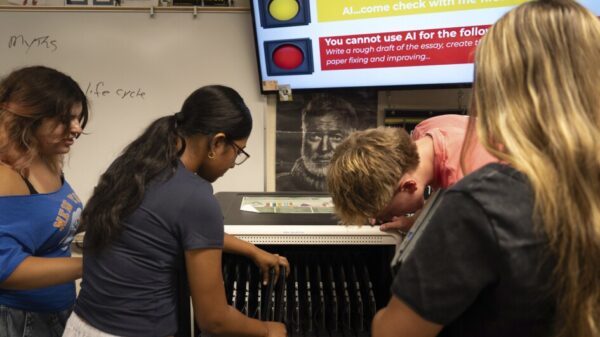
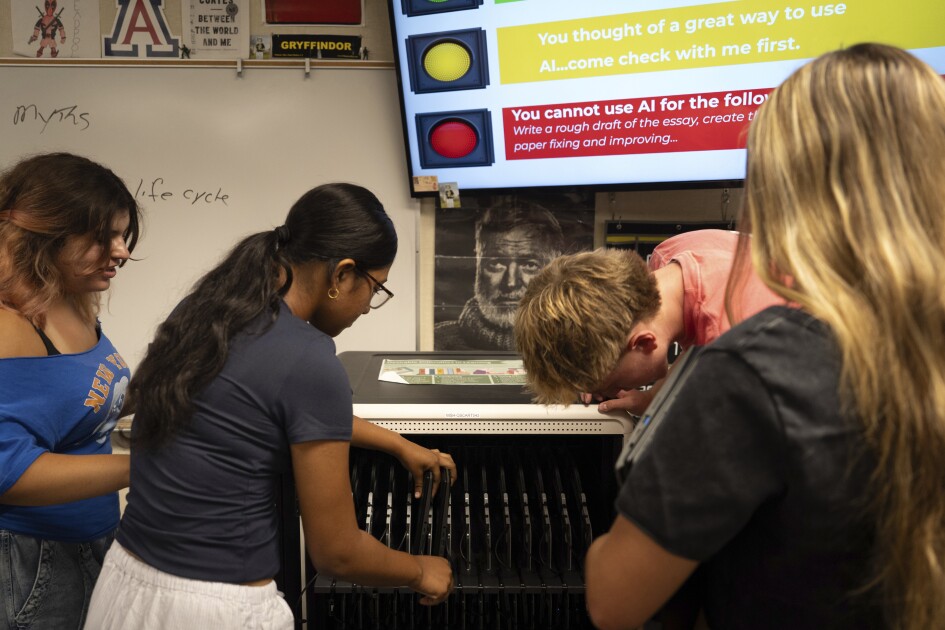
Despite these concerns, 43% of mothers reported that their children are already using AI tools for school assignments, with 30% indicating that these tools are accessed via school-issued devices. However, many mothers expressed uncertainty about how AI technologies collect and utilize their children’s data. About 39% of mothers either did not realize their children’s data was being collected or lacked understanding of the data tracking processes. Furthermore, 41% indicated they strive to stay informed about data collection but encounter gaps in their knowledge.
Only one in five mothers felt confident in understanding the privacy risks associated with AI tools and how to safeguard their children’s data. A Massachusetts mother reflected on the potential benefits of AI for education, asserting, “AI can help kids learn. But without strong safeguards, it can expose them to risks that can harm their safety and development.”
See also Tesseract Launches Site Manager and PRISM Vision Badge for Job Site Clarity
 Affordable Android Smartwatches That Offer Great Value and Features
 Russia”s AIDOL Robot Stumbles During Debut in Moscow
 AI Technology Revolutionizes Meat Processing at Cargill Slaughterhouse
 Seagate Unveils Exos 4U100: 3.2PB AI-Ready Storage with Advanced HAMR Tech